 0
0
 0
0
January 5, 2026
When global financial markets stumble, the impact is often measured in stock tickers and currency exchange rates. However, a groundbreaking study from the University of Bonn reveals that the true cost of an economic crisis may be measured in centimeters.
New research published in the journal Global Food Security has established a definitive link between skyrocketing food prices and long-term physical impairment in children. By analyzing the aftermath of the “Asian Financial Crisis” of the late 1990s, researchers found that price shocks for staple foods do not just cause temporary hunger—they can lead to permanent stunted growth and a heightened risk of obesity in adulthood.
The Indonesian “Rice Shock”
Between 1997 and 2000, Indonesia experienced a massive macroeconomic shock. The price of rice, the nation’s primary caloric staple, surged. While the crisis eventually stabilized, the biological “imprint” it left on a generation of children did not.
Researchers from the Center for Development Research (ZEF) at the University of Bonn utilized the Indonesian Family Life Survey (IFLS), a robust dataset that tracked households for decades. By comparing regional variations in rice prices during the crisis with the physical measurements of children as they grew into young adults, the team identified a sobering trend.
“We see that a massive price shock not only has a short-term impact, but can also affect the long-term physical development of children,” says Elza S. Elmira, the study’s lead author. According to the data, the crisis-induced price hike was associated with a 3.5 percentage point increase in child stunting.
Stunting and the “Obesity Paradox”
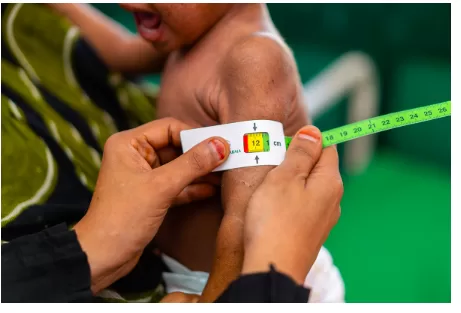
Stunting, defined as low height-for-age, is a primary indicator of chronic malnutrition. It occurs when a child does not receive adequate nutrients during critical developmental windows, particularly between the ages of three and five.
However, the study revealed a secondary, more surprising correlation: children who were stunted during the crisis were significantly more likely to be obese by the time they reached ages 17 to 23. This phenomenon, often called the “double burden of malnutrition,” occurs when the body’s metabolism adapts to early-life deprivation.
“In times of crisis, families save less on calories than on more expensive, nutrient-rich foods,” Elmira explains. This leads to a “hidden deficiency”—the child consumes enough rice to feel full, but lacks the protein, vitamins, and minerals essential for bone and tissue growth.
Why Urban Populations are Most at Risk
The study highlights a significant divide in how economic crises hit different demographics. The negative health effects were most pronounced among:
-
Urban Households: Unlike rural families who may grow their own food, city dwellers are entirely dependent on market prices. When prices rise, they have no safety net.
-
Lower Education Levels: Children of mothers with less formal education were disproportionately affected. Researchers suggest that a lack of “nutritional literacy”—knowledge of how to balance a diet on a budget—exacerbates the impact of a price shock.
“The results suggest that crisis aid should not be based solely on poverty lines,” Elmira and co-author Prof. Dr. Matin Qaim emphasize. They argue that food policy must move beyond simply providing calories and focus on protecting the quality of nutrition for children in sensitive developmental stages.
Expert Perspective: Beyond the Scale
While the University of Bonn study focused on physical measurements, medical experts warn that the implications go deeper.
“Growth disorders are often the visible tip of the iceberg,” says Dr. Sarah Thompson, a pediatric nutritionist not involved in the study. “Physical stunting is frequently accompanied by cognitive delays and a weakened immune system. When a child’s growth is compromised, their entire human capital—their ability to learn, work, and stay healthy throughout their life—is at stake.”
Modern Relevance: A Warning for Today
The findings arrive at a critical juncture for global health. With ongoing conflicts, climate-driven crop failures, and the lingering economic effects of the COVID-19 pandemic, food price volatility is becoming the “new normal.”
The Bonn researchers point out that harvest and price shocks are increasing worldwide. The Indonesian example serves as a historical mirror, showing how today’s inflation could translate into a public health crisis twenty years from now.
Limitations of the Research
As with any long-term observational study, the researchers acknowledge certain limitations. While the correlation between price shocks and stunting is statistically significant, it is difficult to rule out every possible confounding factor—such as localized disease outbreaks or changes in healthcare access—over a 20-year period. However, the depth of the IFLS data provides some of the strongest empirical evidence to date on the long-term biological consequences of economic turmoil.
What This Means for Families and Policy
For the general public, the study underscores the importance of nutritional diversity, even when the budget is tight. For policymakers, the message is clear: when food prices rise, intervention must be swift and targeted toward pregnant women and young children.
“If food policy is only concerned about calories, it can miss the real problem,” concludes Prof. Qaim. Protecting the next generation requires ensuring that a “price shock” doesn’t become a “growth shock.”
Reference Section
Peer-Reviewed Study:
-
Journal: Global Food Security (2026)
-
Title: Macroeconomic shocks and long-term nutritional outcomes: Insights from the Asian financial crisis.
-
Authors: Elmira E. S. & Qaim M.
Medical Disclaimer: This article is for informational purposes only and should not be considered medical advice. Always consult with qualified healthcare professionals before making any health-related decisions or changes to your treatment plan. The information presented here is based on current research and expert opinions, which may evolve as new evidence emerges.