 0
0
 0
0
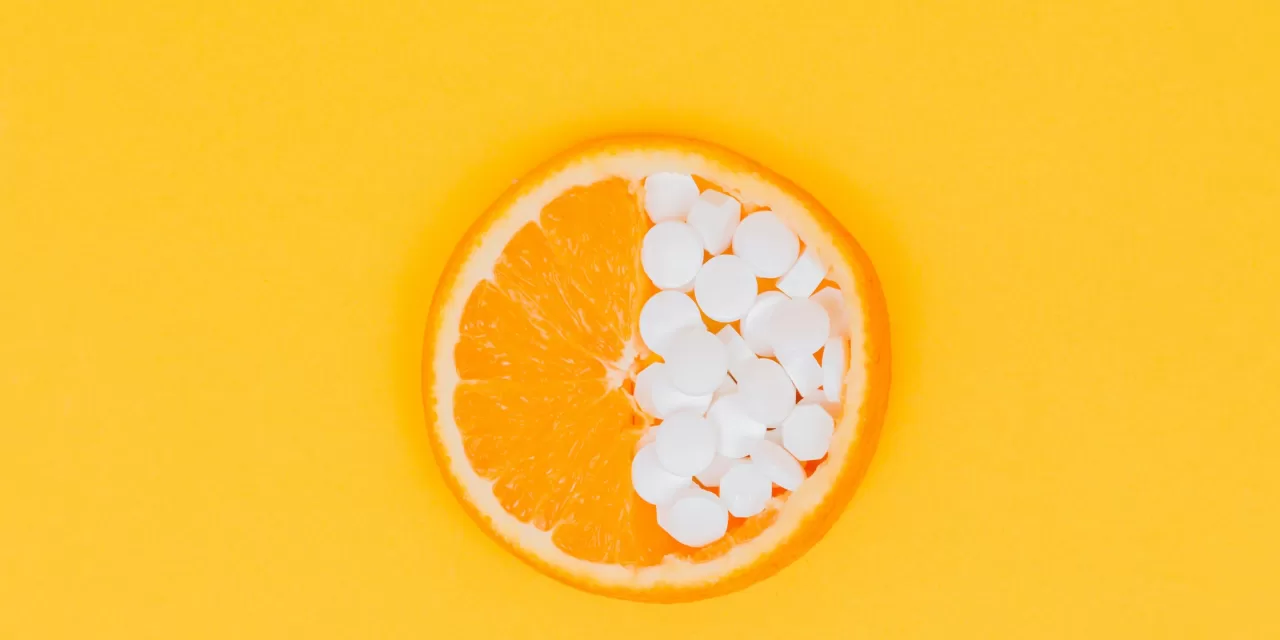
For decades, vitamin C has been the undisputed poster child of the supplement world. From fending off the common cold to brightening skin complexions, the “sunshine vitamin” is a staple in medicine cabinets globally. However, a growing body of clinical evidence—and a viral cautionary tale on social media—is highlighting a painful side effect of over-supplementation: the formation of kidney stones.
While vitamin C is an essential micronutrient, medical experts are warning that more is not always better. For some, the path to “optimal health” through high-dose supplements may actually lead straight to the emergency room.
From Viral Warning to Clinical Reality
The conversation recently gained mainstream momentum after digital creator Saku Shukla shared her personal health crisis on Instagram. After taking chewable vitamin C tablets daily for 18 months, Shukla reported symptoms she initially dismissed as dehydration—burning sensations during urination and acute pain radiating from her side to her lower abdomen.
Clinical tests later revealed the culprit: calcium oxalate kidney stones. Her physicians pointed to a systemic surplus of vitamin C as the primary driver.
“High doses of ascorbic acid (vitamin C) tablets, especially when taken daily and without medical indication, can significantly increase the risk of kidney stones,” explains Dr. Aanchal Panth, a dermatologist who frequently addresses supplement misuse. “There is often no need for these supplements if you maintain a balanced diet.”
The Science: How Vitamin C Becomes Stone
To understand the risk, one must look at how the body processes nutrients. Vitamin C, or ascorbic acid, is water-soluble. While the body utilizes what it needs for collagen synthesis and immune function, it must dispose of the excess.
The primary pathway for this disposal involves the liver breaking down ascorbic acid into oxalate, a waste product. The kidneys then filter this oxalate into the urine.
“The danger arises when the concentration of oxalate in the urine becomes too high,” says Dr. Elena Rossi, a nephrologist not involved in the original report. “Oxalate has a chemical affinity for calcium. When they bind together in the urinary tract, they form crystals. Over time, these crystals grow into calcium oxalate stones—the most common and painful type of kidney stone.”
The “1,000 mg” Threshold
Research indicates that the body’s ability to process vitamin C has a ceiling. When individuals consume doses exceeding 1,000 mg daily, urinary oxalate levels can spike by 20% to 60%. Studies have shown that healthy adults taking 1 to 2 grams of vitamin C daily experience a 22% increase in oxalate excretion, effectively saturating the urine and creating a “breeding ground” for stone formation.
Why Supplements Pose a Greater Risk Than Food
A common question among health-conscious consumers is why a large orange is safe, but a high-dose pill may not be. The answer lies in bioavailability and pacing.
-
Absorption Rate: Supplements provide a massive, isolated “bolt” of ascorbic acid that hits the system all at once, overwhelming metabolic pathways.
-
The Fiber Factor: Whole foods like bell peppers, citrus, and broccoli contain fiber and other phytonutrients that slow the absorption of vitamins.
-
Natural Moderation: It is physically difficult to consume 2,000 mg of vitamin C through diet alone (you would need to eat roughly 30 oranges), whereas a single “mega-dose” capsule can easily exceed that limit.
Who is Most at Risk?
The risk of developing stones from vitamin C is not uniform across the population. Key factors include:
| Risk Factor | Why It Matters |
| Gender | Men are statistically more likely to develop stones, potentially due to how androgen receptors influence the conversion of vitamin C to oxalate. |
| Dosage | Daily intake consistently above 700–1,000 mg is the primary trigger. Standard multivitamins (usually containing 60–500 mg) show little to no correlation. |
| Existing Conditions | A personal or family history of kidney stones, obesity, and chronic dehydration significantly increases vulnerability. |
| Dietary Habits | High-sodium and high-animal protein diets can acidify urine, making it easier for crystals to form. |
Protecting Your Kidneys: A Balanced Approach
You do not need to fear vitamin C; you simply need to respect its potency. Experts suggest the following strategies to reap the benefits of the vitamin without the renal risks:
-
Prioritize the Plate: Aim for natural sources like guava, amla (Indian gooseberry), and citrus. These provide the nutrient in a form the body is evolutionarily designed to handle.
-
The “500 mg” Rule: If you must supplement, keep the dosage below 500 mg unless otherwise directed by a doctor for a specific deficiency.
-
Hydration is Mandatory: Drinking 3–4 liters of water daily dilutes the concentration of minerals in the kidneys, preventing crystals from sticking together.
-
Add Citrate: Lemon water is naturally high in citrate, which actually helps prevent stones by binding to calcium and blocking oxalate attachment.
-
Watch the Sodium: Reducing salt intake helps lower the amount of calcium excreted in the urine.
The Bottom Line
The “more is better” philosophy in the supplement industry can be a dangerous misconception. While vitamin C is vital for tissue repair and antioxidant protection, its transition from a nutrient to a metabolic burden happens faster than many realize. For the average adult, a colorful diet provides all the immune support necessary—without the risk of a kidney stone crisis.
References
https://www.ndtv.com/health/can-vitamin-c-supplements-trigger-kidney-stone-risk-link-decoded-10735653
-
Medical Disclaimer: This article is for informational purposes only and should not be considered medical advice. Always consult with qualified healthcare professionals before making any health-related decisions or changes to your treatment plan. The information presented here is based on current research and expert opinions, which may evolve as new evidence emerges.