 0
0
 0
0
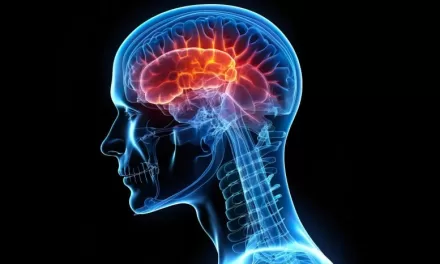
In a landmark discovery that redefines our understanding of cardiac aging, an international team of researchers has identified a biological “fountain of youth” for the heart: the vagus nerve. A multi-year study, led by the Sant’Anna School of Advanced Studies in Pisa and published in Science Translational Medicine, reveals that the integrity of the connection between the brain and the heart—specifically through the right vagus nerve—is a primary factor in preventing premature cardiac decay.
For decades, the vagus nerve has been known as the “highway” of the parasympathetic nervous system, responsible for the body’s “rest and digest” functions. However, this new research demonstrates that its role is far more structural and protective than previously thought. By using advanced bioengineering to repair damaged nerve connections, researchers successfully slowed the aging process of heart cells, opening a new frontier in transplant surgery and chronic heart disease prevention.
A Direct Link Between Nerve Integrity and Heart Age
The study, coordinated by Professor Vincenzo Lionetti of the Translational Critical Care Unit (TrancriLab), focused on the impact of cardiac vagal innervation—the network of nerve fibers that supply the heart.
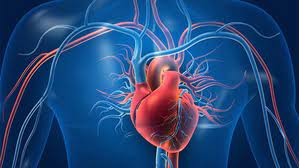
The team discovered that when these nerve connections are severed or degraded—a common occurrence during major heart surgeries or as a result of chronic disease—the heart undergoes rapid “remodeling.” This process involves the thinning of heart walls, loss of muscle elasticity, and a decline in the health of cardiomyocytes (the specialized cells that allow the heart to contract).
“When the integrity of the connection to the vagus nerve is lost, the heart ages more rapidly,” explains Professor Lionetti. “The right cardiac vagus nerve, in particular, emerges as a true guardian of cardiomyocyte health.”
The Bioengineering Breakthrough: A Dissolvable Map for Nerves
Perhaps the most revolutionary aspect of the study is the development of a “neuroprosthesis.” In collaboration with the Biorobotics Institute, researchers created a bioabsorbable nerve conduit.
Imagine a small, biodegradable straw that acts as a bridge between two ends of a damaged nerve. This conduit provides a physical scaffold that guides spontaneous nerve regeneration. Over time, as the nerve heals and reconnects to the heart, the conduit safely dissolves into the body.
“We have developed an implantable bioabsorbable nerve conduit designed to promote and guide the spontaneous regeneration of the thoracic vagus nerve at the cardiac level,” says Eugenio Redolfi Riva, co-author of the patent at the Biorobotics Institute.
The results were striking. In animal models, even a partial restoration of the right vagus nerve was enough to halt the mechanisms of premature aging and maintain the heart’s ability to pump blood effectively. Crucially, this protective effect occurred independently of heart rate, suggesting the nerve provides “trophic” or nourishing signals to the heart muscle that go beyond simple rhythm regulation.
Why This Matters for Public Health
The implications of this research are vast, particularly for the millions of patients undergoing cardiothoracic surgery or heart transplants. Currently, when a heart is transplanted, it is “denervated”—meaning the nerve connections are severed. This often leads to a shorter lifespan for the donor organ and complications for the recipient.
Potential Clinical Applications:
-
Heart Transplants: Surgeons could use these nerve conduits to “rewire” the heart during surgery, potentially doubling the lifespan of the transplanted organ.
-
Post-Surgical Recovery: Patients undergoing bypass surgery or valve replacements may benefit from nerve preservation techniques to prevent long-term heart failure.
-
Preventative Medicine: Understanding the vagus nerve’s role may lead to non-invasive therapies (like electrical vagus nerve stimulation) to keep the heart “young” in patients with early-stage heart disease.
“Even partial restoration… is sufficient to counteract the mechanisms of remodeling,” notes Anar Dushpanova, a cardiologist at TrancriLab. This suggests that medical interventions don’t need to be perfect to be life-changing; simply assisting the body’s natural healing process can yield significant benefits.
A Balanced Perspective: The Road Ahead
While the results are groundbreaking, independent experts urge cautious optimism. Dr. Sarah Jenkins, a cardiologist not involved in the study, notes that while the “minipig” model used in the research is an excellent proxy for human physiology, clinical trials in humans are still several years away.
“The bioengineering is elegant, but we must ensure that these conduits do not trigger inflammatory responses in human patients over long periods,” Dr. Jenkins says. “Furthermore, the vagus nerve is incredibly complex, influencing everything from digestion to mood. We need to be certain that stimulating regeneration for the heart doesn’t have unintended ‘cross-talk’ effects on other organs.”
How Can You Support Your Vagus Nerve Today?
While we wait for bioabsorbable conduits to reach the local hospital, the connection between the brain and heart is something consumers can influence now. “Vagal tone”—the strength of your vagus nerve activity—is linked to lower blood pressure and better stress resilience.
Current lifestyle recommendations to support vagus nerve health include:
-
Deep, Diaphragmatic Breathing: Slow, belly breathing stimulates the vagus nerve and lowers the heart rate.
-
Regular Aerobic Exercise: Consistent movement improves the flexibility of the autonomic nervous system.
-
Cold Exposure: Brief splashes of cold water on the face have been shown to trigger the vagal response.
-
Social Connection: Positive social interactions are known to “soothe” the heart via the vagus nerve pathway.
Conclusion: A Paradigm Shift
The Pisa-led study represents a fundamental shift from managing the symptoms of a failing heart to preserving its biological youth. By viewing the heart not just as a mechanical pump, but as an organ deeply integrated into the nervous system, medicine may soon be able to “turn back the clock” on cardiac decay.
As Professor Lionetti concludes, “These results open new perspectives… shifting the clinical paradigm from managing late complications associated with premature cardiac aging to their prevention.”
Reference Section
Primary Study:
-
Lionetti, V., Dushpanova, A., Redolfi Riva, E., et al. (2025). “Reconnecting the vagus nerve to the heart through nerve conduit preserves cardiac function in a minipig model of right cardiac vagotomy.” Science Translational Medicine. DOI: 10.1126/scitranslmed.aea4306.
Medical Disclaimer: This article is for informational purposes only and should not be considered medical advice. Always consult with qualified healthcare professionals before making any health-related decisions or changes to your treatment plan. The information presented here is based on current research and expert opinions, which may evolve as new evidence emerges.