 0
0
 0
0
New Delhi, Aug 13: For thousands of years, cheese has held a prized place in kitchens and cultures worldwide. From the sharp bite of cheddar to the creamy richness of paneer, it’s a food deeply ingrained in our culinary traditions. But for the health-conscious consumer, a nagging question often remains: Is this delicious dairy product a friend or a foe? Can it be part of a healthy diet, especially for those focused on weight management?
According to nutrition experts, the answer is a resounding “yes,” but with a crucial caveat: moderation and mindful selection are key. Cheese is a nutrient-dense food, packing a significant amount of beneficial components into a small serving. Beyond the well-known calcium and protein, certain varieties are rich in probiotics, vitamin K2, and healthy fats. A growing body of research suggests that moderate consumption may contribute to a reduced risk of heart disease, stronger bones, and improved gut health.
The benefits are compelling. The combination of calcium, protein, and phosphorus in cheese is essential for building and maintaining strong bones and teeth. Vitamin K2, found in many aged cheeses, plays a vital role in directing calcium to the bones and away from the arteries, a crucial function for cardiovascular health. A study in the British Dental Journal even proposed that regular cheese intake may offer protection against tooth decay.
Despite its fat content, recent studies have challenged the long-held notion that cheese is inherently bad for the heart. Scientific journals like Nutrients have published research linking moderate consumption to a lower risk of heart disease and stroke. For those seeking to support muscle health, cheese provides high-quality protein that aids in muscle repair, a benefit particularly important for active adults and the elderly. A 2022 study in the Journal of Nutrition found that individuals who ate cheese after resistance training experienced better recovery. Additionally, some aged cheeses contain probiotics that support healthy digestion and a robust immune system, a benefit that an Indian study from 2024 in the Annals of Phytomedicine also highlighted.
However, the cheesy story isn’t without its complexities. Many commercially available processed cheeses are loaded with saturated fat, sodium, and calories. When consumed in excess, these can contribute to weight gain and other health issues. Heavily processed cheese products, often containing a long list of additives, offer minimal nutritional value and can undermine an otherwise healthy diet.
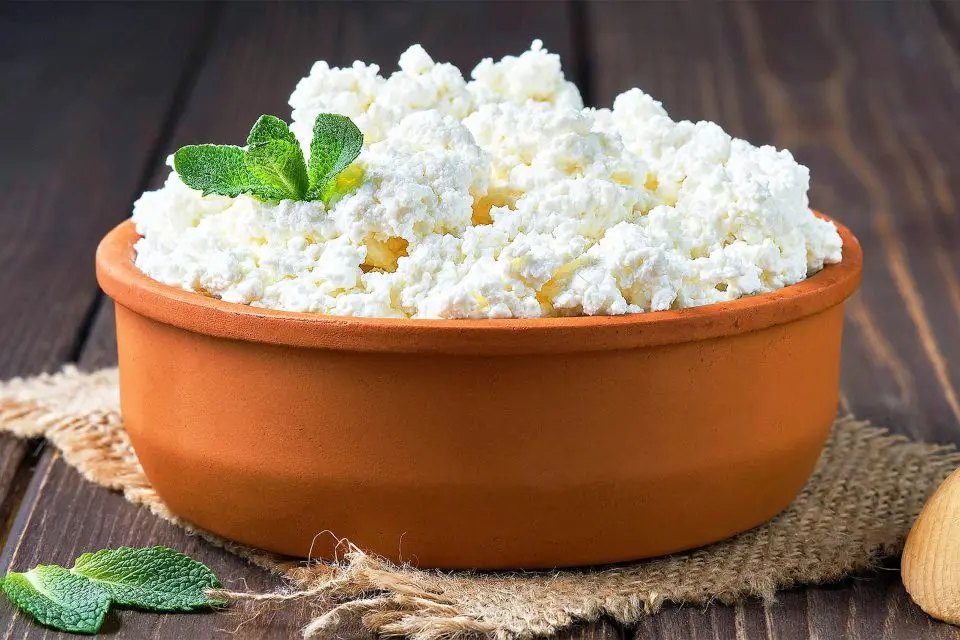
The secret to incorporating cheese into a healthy lifestyle lies in choosing wisely. Aged hard cheeses such as parmesan, gouda, and mature cheddar are excellent choices. They are typically lower in lactose, higher in protein, and may contain beneficial gut bacteria. In India, fresh paneer remains a protein-rich and healthy staple. For those looking to reduce saturated fat intake, options like part-skim mozzarella or cottage cheese are great alternatives.
Portion control is equally critical. A healthy serving is approximately 30 to 40 grams, roughly the size of two thumbs. Prioritizing quality over quantity is a sound strategy—a small piece of high-quality, naturally made cheese is far more satisfying and nutritious than a larger slice of a heavily processed alternative. Pairing cheese with high-fiber foods like whole-grain bread, fruits, or salads helps create a balanced meal and mitigates the impact of its fat and calorie content.
In conclusion, cheese doesn’t deserve the villainous reputation it sometimes carries. When consumed mindfully, by avoiding highly processed products and opting for fresh or aged varieties, it can be a delicious and beneficial part of a healthy diet. A little truly goes a long way, and when enjoyed in moderation, cheese can bring both exceptional flavor and valuable nutrition to the table.
Disclaimer: This article is intended for informational purposes only and does not constitute medical advice. Consult with a healthcare professional or registered dietitian for personalized dietary guidance.
Reference:
- Daijiworld. (2024). Is cheese healthy? The good, the bad, and the cheesy truth. Retrieved from https://www.daijiworld.com/news/newsDisplay?newsID=1289116