 0
0
 0
0
January 26, 2026
For decades, High-Density Lipoprotein (HDL) cholesterol has enjoyed a sterling reputation as the “good” cholesterol, celebrated for its ability to sweep excess fat from the arteries and protect against heart disease. However, a significant new study published in Osteoporosis International suggests that when it comes to bone health, there may be “too much of a good thing.”
Researchers monitoring over 18,000 Swedish adults for more than a decade have discovered a surprising correlation: higher levels of HDL cholesterol are associated with a greater long-term risk of bone fractures in men. Interestingly, this association was not observed in women, highlighting a gender-specific biological mystery that may change how clinicians assess fracture risk in aging male populations.
Unpacking the Data: A Decade of Observation
The study, which utilized data from national health registers in Sweden, followed 18,240 participants with an average age of 69. Over an average follow-up period of 12.6 years, the research team tracked the occurrence of fractures alongside baseline cholesterol measurements.
The findings were striking. Nearly 26% of the participants experienced a fracture during the study period. While women accounted for the majority of these fractures (54%)—a trend expected in an aging population due to postmenopausal bone density loss—the data regarding HDL levels told a different story for men.
Key Statistical Findings:
-
The Increase: For every 1 mmol/L increase in HDL cholesterol, there was a 12% higher overall risk of any fracture.
-
The Gender Gap: The risk was significantly more pronounced in men, who faced an 18% higher risk of fracture per 1 mmol/L increase in HDL.
-
The Baseline: Participants who suffered fractures had higher average HDL levels (1.5 mmol/L) compared to those who did not (1.4 mmol/L).
Why the “Good” Cholesterol Might Be Bad for Bones
To the general public, the idea that a heart-healthy marker could be detrimental elsewhere is counterintuitive. To understand this, it helps to look at how the body manages fat and bone minerals.
“We have long viewed HDL as a scavenger molecule that benefits the cardiovascular system,” says Dr. Elena Richardson, a bone density specialist not involved in the study. “However, bone is a living tissue that requires a delicate balance of lipids and minerals. High HDL might reflect an underlying metabolic state that interferes with how bone-building cells, called osteoblasts, do their job.”
One hypothesis suggests that very high HDL levels may be a marker for chronic inflammation or genetic factors that simultaneously protect the heart but weaken the internal architecture of the bone. Another possibility is that HDL interferes with the transport of Vitamin D or other fat-soluble nutrients essential for bone mineralization.
The Gender Divide: Why Men?
One of the most perplexing aspects of the study is why the risk applies primarily to men. In women, the researchers found no significant association between high HDL and fracture risk.
“Women’s bone health is heavily influenced by estrogen levels, particularly during and after menopause,” explains Dr. Marcus Thorne, an endocrinologist at the Stockholm Metabolic Institute. “In men, the hormonal landscape is different. It’s possible that in the absence of the dramatic estrogen drop seen in women, other metabolic markers like HDL play a more visible role in predicting bone fragility.”
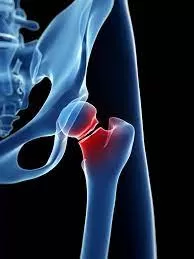
The study also noted that the increased risk in men was for “any fracture” rather than specific sites like the hip or femur. This suggests a systemic weakening of the skeleton rather than a localized issue.
Context and Limitations: What This Doesn’t Mean
While the study is large and rigorous, experts urge caution in interpreting the results. It is important to distinguish between correlation and causation.
-
Observational Nature: Because this was an observational study, it cannot prove that high HDL causes bones to break. It only shows that the two trends happen together.
-
Heart Health Still Matters: High HDL remains a generally positive indicator for cardiovascular health. Patients should not attempt to lower their HDL levels based on this study, as doing so could increase the risk of heart attack or stroke.
-
The “U-Shaped” Curve: Previous research has suggested that extremely high HDL (often over 80 mg/dL or 2.1 mmol/L) may lose its protective heart benefits. This study adds to the growing evidence that “extremely high” levels of any marker may signal an imbalance.
Practical Implications for Patients and Providers
For the health-conscious consumer, these findings shouldn’t spark panic, but rather a conversation.
“If you are an older man with high HDL, you’ve likely been told you’re in great shape cardiovascularly,” says Dr. Richardson. “This study suggests that your doctor shouldn’t stop there. They should also look at your bone density (DEXA) scans and your Vitamin D levels.”
Recommendations for Men Over 60:
-
Don’t ignore bone health: Even if your heart health markers are perfect, ask your physician about a baseline bone density test.
-
Maintain traditional bone supports: Ensure adequate intake of Calcium and Vitamin D, and engage in weight-bearing exercises like walking or resistance training.
-
Holistic Review: Discuss your full lipid profile with your doctor, including LDL, HDL, and triglycerides, in the context of both heart and bone health.
The Path Forward
The Swedish study serves as a reminder that the human body is a complex, integrated system. A marker that is “good” for the pipes (arteries) may have a different impact on the frame (skeleton).
As researchers continue to investigate the biological mechanisms behind this link, the medical community may need to update its risk assessment tools. For now, the “good” cholesterol remains a vital part of the health puzzle—just one that requires a more nuanced look as we age.
Reference Section
- https://www.emedinexus.com/post/54018/Study-Elevated-HDL-Cholesterol-Predicts-Increased-Fracture-Risk-in-Male-Populations
Medical Disclaimer: This article is for informational purposes only and should not be considered medical advice. Always consult with qualified healthcare professionals before making any health-related decisions or changes to your treatment plan. The information presented here is based on current research and expert opinions, which may evolve as new evidence emerges.