 0
0
 0
0
January 13, 2026
NEW DELHI — Leading medical experts and educationists have issued a stark warning: the growing “glamorization” and normalization of tobacco products are setting the stage for a catastrophic surge in cancer and chronic lung diseases among India’s youth. At a National Youth Day summit held yesterday, specialists cautioned that while direct advertising is banned, subtle marketing tactics—such as placing tobacco products next to candies and utilizing celebrity-backed “surrogate” ads—are successfully grooming a new generation of nicotine users.
The consensus among the panel was clear: without immediate legislative intervention and a shift in social responsibility, the progress made in tobacco control over the last decade could be undone, leaving the healthcare system to face an avoidable epidemic of non-communicable diseases (NCDs).
The “Silent Push” at the Storefront
The warning was delivered during a national webinar titled “The Silent Push: Tobacco and Young India,” organized by the citizen initiative Tobacco Free India. The timing was symbolic, coinciding with the birth anniversary of Swami Vivekananda, a day dedicated to the empowerment of the nation’s youth.
“When tobacco products are displayed openly at points of sale and placed alongside items meant for children, it sends a misleading signal that these products are harmless,” said Dr. Shalini Singh, Director of the ICMR-National Institute of Cancer Prevention and Research.
This proximity creates a psychological association between harmless treats and lethal substances. Experts refer to this as “point-of-sale visibility,” where the colorful packaging of tobacco mimics the aesthetic of confectionery, effectively “priming” children as young as 10 for future experimentation.
Startling Statistics: A Decline in Initiation Age
The data supporting these fears is sobering. Dr. Naveen Thacker, Executive Director of the International Pediatric Association, shared findings from a cross-sectional study conducted in Gandhinagar, Gujarat. The research revealed that nearly one in six children around the age of 10 had already experimented with some form of tobacco.
This early initiation is particularly dangerous. According to the World Health Organization (WHO), the human brain continues to develop until the mid-20s. Nicotine exposure during adolescence can disrupt the formation of brain circuits that control attention, learning, and impulse control, leading to a much higher risk of lifelong addiction.
The Problem with “Surrogate” Glamour
One of the most contentious issues discussed was the role of celebrities. While Indian law prohibits the direct promotion of tobacco, many brands use “surrogate advertising”—promoting products like cardamom (elaichi) or mouth fresheners using the same branding, logos, and celebrity ambassadors associated with tobacco products.
Professor J.S. Rajput, former Director of NCERT, noted that this creates an “aspirational cue” for adolescents. “Education does not happen only in classrooms,” Rajput said. “When film stars or sports personalities are indirectly associated with tobacco brands, it sends a powerful and misleading message.”
For a teenager, seeing a beloved icon associated with a brand—even if the specific product shown is “pan masala”—removes the social stigma of the brand’s primary product: tobacco.
The Long-Term Health Toll: Cancers and Lung Disease
The medical implications of failing to curb youth tobacco use are profound. Tobacco use is the leading cause of preventable death globally, linked to roughly 25% of all cancer deaths.
Dr. M.C. Misra, public health expert and former Director of AIIMS Delhi, warned of a future healthcare crisis. “If we do not intervene today and reduce children’s exposure to tobacco, we are clearly heading towards the next epidemic of cancers and lung diseases,” he stated.
The health risks include:
-
Respiratory Impact: Early onset of Chronic Obstructive Pulmonary Disease (COPD) and asthma.
-
Carcinogenic Risk: Increased incidence of oral, esophageal, and lung cancers later in life.
-
Cardiovascular Strain: Premature heart disease and hypertension.
The Path Forward: Policy and Protection
To combat this “silent push,” the expert panel proposed a multi-pronged strategy to protect the everyday environment of children:
-
Raising the Legal Age: Experts suggested increasing the legal age for tobacco purchase from 18 to 21, a move that global studies suggest can significantly reduce long-term addiction rates.
-
Ending Single-Stick Sales: Selling individual cigarettes or bidis makes tobacco affordable for minors who cannot buy a full pack. Banning “loose” sales creates a financial barrier to entry.
-
Strict Buffer Zones: While a ban exists on tobacco sales within 100 yards of educational institutions, speakers called for more consistent enforcement and harsher penalties for violators.
-
Point-of-Sale Bans: Moving tobacco products behind the counter—out of the direct sightline of children—is seen as a critical step in de-normalizing the product.
Limitations and Challenges
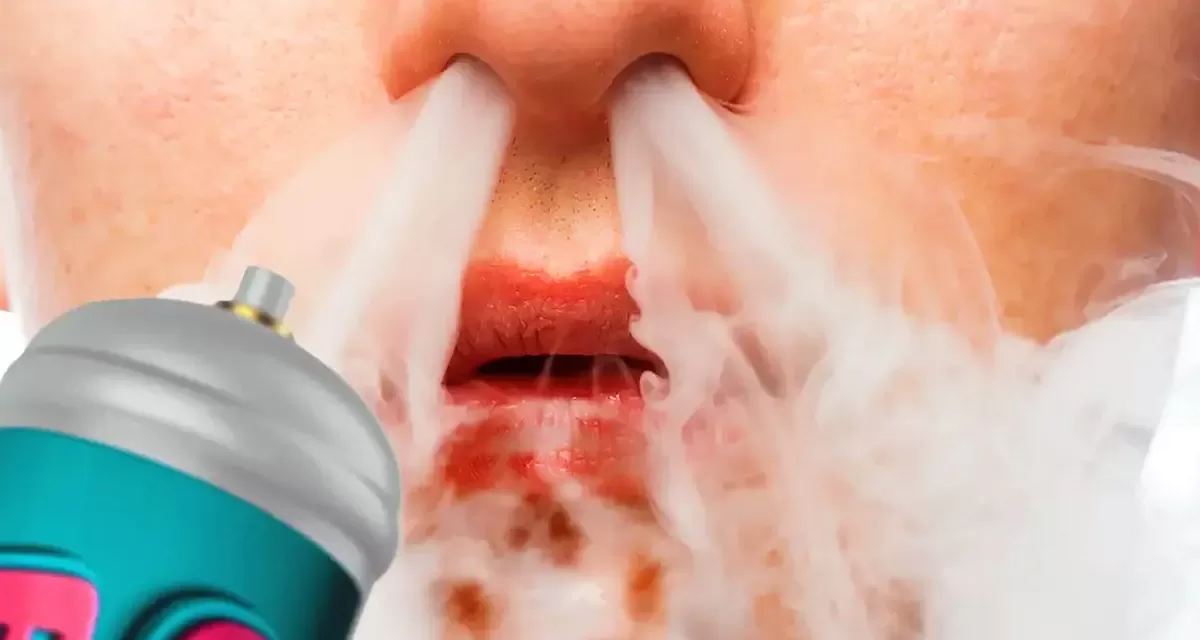
Despite the urgency, experts acknowledge hurdles. Critics often point to the economic impact on small-scale retailers and the tobacco industry’s role in the economy. Furthermore, the rise of e-cigarettes and “vaping,” often marketed as “safer” alternatives, presents a new frontier of addiction that current laws are still scrambling to address.
A Call to Action
The webinar concluded with a reminder of the national vision. Dr. Thacker noted that honoring Swami Vivekananda’s legacy means ensuring youth grow up free from harmful addictions.
For parents and educators, the message is clear: tobacco prevention is no longer just about discussing the dangers of smoking; it is about recognizing and dismantling the subtle marketing “traps” that exist in the neighborhood grocery store and on the silver screen.
Medical Disclaimer: This article is for informational purposes only and should not be considered medical advice. Always consult with qualified healthcare professionals before making any health-related decisions or changes to your treatment plan. The information presented here is based on current research and expert opinions, which may evolve as new evidence emerges.
References
https://www.theweek.in/wire-updates/national/2026/01/12/glamorisation-of-tobacco-can-trigger-next-epidemic-of-cancer-and-lung-diseases-warn-experts.html