 0
0
 0
0
For Decades, Men Set the Pace in Ageing Science
The pursuit of anti-ageing breakthroughs has long gravitated around male bodies—both in the lab and in public discourse. From extreme biohacking routines like experimental blood transfusions to rigorous fitness tracking, men have often dominated the narrative.
Yet a quiet revolution is underway. Researchers are now beginning to view the female body not as an outlier, but as a vital key to understanding healthier, longer lives for everyone.
The Longevity Paradox: Longer Lives, Not Healthier Ones
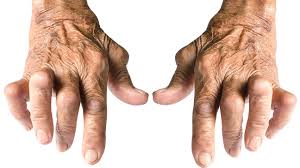
Women across the world consistently outlive men by an average of five years, regardless of country, class, or even crisis. However, these extra years aren’t always healthier. Statistically, women spend more of their later years living with ailments such as osteoporosis, Alzheimer’s, and arthritis.
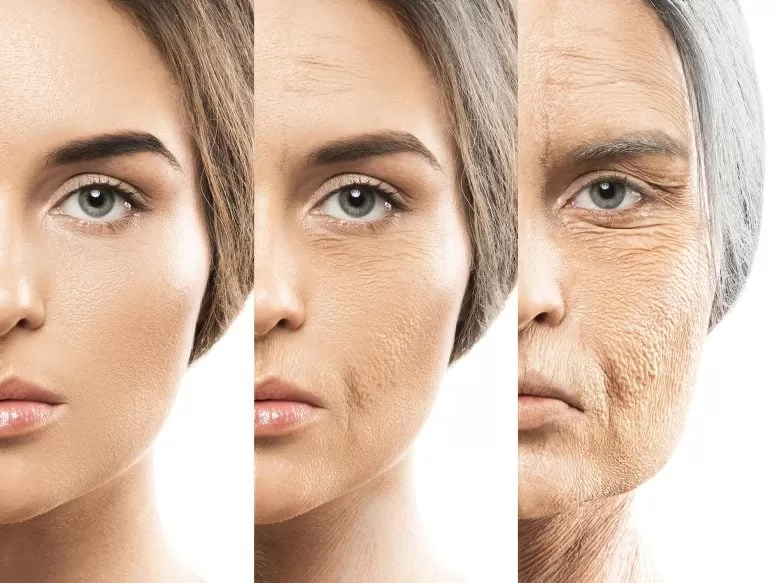
A growing body of research implicates menopause as a primary driver: when ovaries halt hormone production, the process doesn’t just signal the end of fertility—it may actually accelerate ageing throughout the body.
Ovaries: The Overlooked Organ in Ageing
Ovaries are now at the center of this scientific rethink. Neuroscientist Jennifer Garrison has described them as “the canary in the coal mine for aging.” Not only do ovaries age faster than any other tissue—up to 2.5 times as fast—they also act as a real-time indicator of systemic ageing.
Some doctors are testing new interventions, like low-dose rapamycin (an immune-suppressing drug), to slow ovarian ageing. Early evidence from mice suggests this may lengthen fertility and boost health, raising possibilities for similar results in women—including delaying menopause and reducing age-related disease risks like heart disease and dementia.
Why Female Bodies Were Left Behind
For years, women were commonly excluded from clinical trials—even for studies focused on ageing. Scientists cited hormonal fluctuations as too “complicating” for research. As a result, recommendations arising from male-dominated research have sometimes failed women. For example, some low-carb diets have disrupted menstrual cycles and thyroid health in women, highlighting the pitfalls of relying solely on male-centric science.
The X Chromosome: An Untapped Advantage
Among the most intriguing recent discoveries is the role of the X chromosome. Females, with two X chromosomes, have a unique biological toolkit. As women age, portions of the normally inactive X chromosome “wake up,” prompting the brain to produce proteins that seem to bolster brain function in old age. In studies, introducing these proteins in ageing male mice improved memory and learning, suggesting that the female brain may possess innate resilience still being unraveled by science.
Hormones & Habits: The Underpinnings of Female Longevity
Estrogen, the key female hormone, reduces cellular oxidative stress and offers cardiovascular protection. Before menopause, women have significantly lower risks of heart disease, a pattern attributed to this hormonal shield. Additionally, women’s enhanced immune strength, fostered by their dual X chromosomes, further protects health.
Social and lifestyle factors also play a role:
-
Women are less likely to engage in risky behaviors like smoking or heavy drinking.
-
Stronger social networks and healthier habits are more common.
-
Combined, biology and lifestyle give women a longevity edge.
The “Longevity Ladies” Redefine Healthy Ageing
While men continue to advance high-profile anti-ageing regimens, a robust female-led movement—“the longevity ladies”—is emerging. These scientists, physicians, and wellness advocates are reframing healthy ageing around community, lifestyle, and a deep understanding of female biology. This evolution promises benefits not just for women, but for everyone seeking longer, healthier lives.
Disclaimer: This article is intended for informational purposes only and is based on statements from scientists and medical professionals. It does not substitute for professional medical advice. Always consult a healthcare provider for medical guidance.