 0
0
 0
0
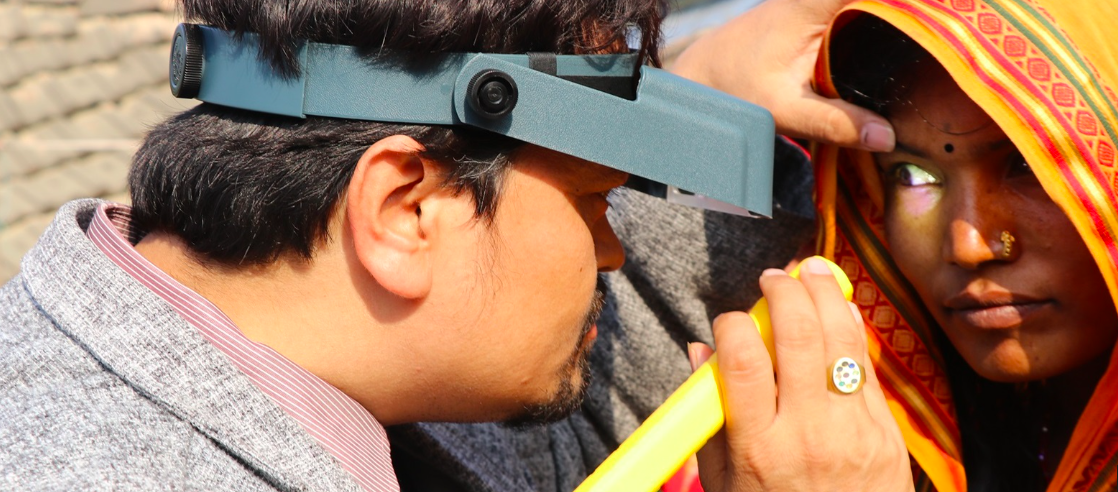
NEW DELHI — In a breakthrough that could transform how millions of people monitor their metabolic health, a joint team of Indian and American researchers has developed an artificial intelligence (AI) technique capable of detecting diabetes through a simple high-resolution photograph of the eye. This non-invasive “digital biopsy” eliminates the need for painful finger-prick tests or time-consuming laboratory blood work, offering a glimpse into a future where screening for chronic conditions is as easy as taking a selfie.
A Window into Systemic Health
The eyes have long been described by poets as windows to the soul, but for clinicians, they are windows to the vascular system. Because the retina is the only place in the human body where blood vessels can be visualized directly and non-invasively, it serves as a primary indicator of how diabetes is affecting the rest of the body.
The study, recently published in the peer-reviewed journal Diabetes Technology and Therapeutics, demonstrates that AI can identify microscopic irregularities in retinal blood vessels—features often invisible to the trained human eye—to distinguish between individuals with and without diabetes.
“India has over 100 million people living with diabetes, and a staggering number remain undiagnosed,” says Dr. V. Mohan, a renowned Chennai-based diabetologist and Padma Shri awardee who co-authored the study. “If we can use AI tools with simple retinal photos for early diagnosis, we can screen populations in real-time, reaching those who might otherwise never visit a lab.”
How the Technology Works
The research team, which included experts from Emory University in the U.S. and Yenepoya (Deemed to be) University in Karnataka, India, utilized “machine vision” to analyze the intricate architecture of the eye.
The Science of “Tortuosity”
The AI was trained to evaluate vessel tortuosity—a medical term for how much a blood vessel twists and turns. High blood sugar levels cause structural changes in the walls of arteries and veins, making them more “wiggly” or dilated.
The study analyzed 273 retinal images from 139 participants. Using advanced algorithms, the researchers extracted 226 quantitative features from the arteries and veins. By comparing these patterns against known cases of diabetes, the AI learned to recognize the specific “signature” of the disease.
Key Performance Metrics
-
Sensitivity: The AI achieved a 95% sensitivity rate, meaning it correctly identified nearly every person in the test group who had diabetes.
-
Prediabetes Detection: Perhaps most significantly, the system was able to spot prediabetes—the critical window where lifestyle interventions, such as diet and exercise, can actually reverse the progression toward full-blown Type 2 diabetes.
Why This Matters for Public Health
The current gold standard for diabetes diagnosis involves fasting blood glucose tests or the HbA1c test, which measures average blood sugar over three months. Both require needles, specialized laboratory equipment, and, often, hours of fasting.
1. Removing Barriers to Care
“The beauty of this method is that patients do not need to fast or undergo an invasive procedure,” explains Dr. Sudeshna Sil Kar of Emory University. “It just requires a quick photo of the back of the eye.” This could be particularly revolutionary in rural or under-resourced areas where access to diagnostic labs is limited, but basic imaging equipment may be available.
2. Cost-Effectiveness
By removing the need for chemical reagents and specialized lab technicians, the cost of screening could drop significantly. If integrated into standard optometry exams, a person getting a routine check for glasses could simultaneously be screened for metabolic disease.
3. Early Intervention
Because diabetes is a “silent” disease, many patients only seek help once complications like vision loss, kidney failure, or nerve damage occur. The AI’s ability to flag prediabetes allows for medical intervention years before the onset of irreversible damage.
A Balanced View: Limitations and Next Steps
While the results are promising, experts urge a measured approach. The study was conducted on a relatively small sample size of 139 participants. For any AI tool to be deployed on a national scale, it must be “validated” across thousands of diverse patients.
“AI in healthcare is only as good as the data it is trained on,” says Dr. Aris Thapa, an independent endocrinology researcher not involved in the study. “We need to ensure these algorithms work across different ethnicities, ages, and eye colors. While 95% sensitivity is excellent, we must see if those numbers hold up in a real-world clinic setting rather than a controlled study.”
Additionally, this technology is currently a screening tool, not a full diagnostic replacement. A positive AI eye scan would still likely require a follow-up clinical evaluation to determine the specific treatment path.
The Road Ahead
The integration of AI into diagnostic medicine is accelerating. Researchers hope that as high-resolution cameras become more common in smartphones, this technology might eventually move from the clinic to the home. For now, the focus remains on refining the algorithm and conducting larger-scale trials across India and the United States.
In a country like India, often called the “Diabetes Capital of the World,” this technological leap could represent the difference between a manageable health condition and a national public health crisis.
Medical Disclaimer
Medical Disclaimer: This article is for informational purposes only and should not be considered medical advice. Always consult with qualified healthcare professionals before making any health-related decisions or changes to your treatment plan. The information presented here is based on current research and expert opinions, which may evolve as new evidence emerges.
References and Sources
https://www.ndtv.com/health/indian-us-researchers-develop-ai-based-eye-scan-to-detect-diabetes-10899533