 0
0
 0
0
NEW DELHI, December 7, 2025
India is standing on the precipice of a silent orthopedic crisis. As the country’s population ages and the first wave of joint replacements performed in the early 2000s reaches the end of its natural lifespan, leading medical experts have issued a stark warning: the nation is critically short of surgeons skilled in the complex art of revision arthroplasty.
Speaking at the three-day Revision Arthroplasty Conference (RAC) 2025 in New Delhi this Saturday, top orthopedic surgeons highlighted an urgent public health challenge. While India has successfully ramped up primary hip and knee replacements over the last two decades, the healthcare system is ill-prepared for the “tsunami” of revision surgeries—procedures required when an original artificial joint wears out, loosens, or fails—that is now beginning to crash onto Indian shores.
The “Boom” Comes Full Circle
“In India, a lot of elderly patients have undergone joint replacement, primarily due to a rise in degenerative arthritis, in the last 15-20 years,” explained Prof. Vijay Kumar from the Department of Orthopaedics at the All India Institute of Medical Sciences (AIIMS). “So, the burden of revision surgeries is going to increase, as the implants can wear off or any infection might occur.”
The mathematics of the problem is simple yet unforgiving. Artificial joints, much like car tires, have a finite lifespan—typically 20 to 25 years. The surge in primary surgeries witnessed at the turn of the millennium means those very implants are now expiring simultaneously.
According to market data, the Indian knee replacement sector alone was valued at over $680 million in 2024 and is projected to triple by 2035. With osteoarthritis affecting approximately 15-20% of Indians over the age of 60, the volume of primary surgeries continues to grow, effectively “baking in” a future need for revisions.
A Different Beast: Why Revision is Not Just a “Redo”
A common misconception among patients is that a revision surgery is simply a repeat of the first one. Experts at the conference were quick to dismantle this myth.
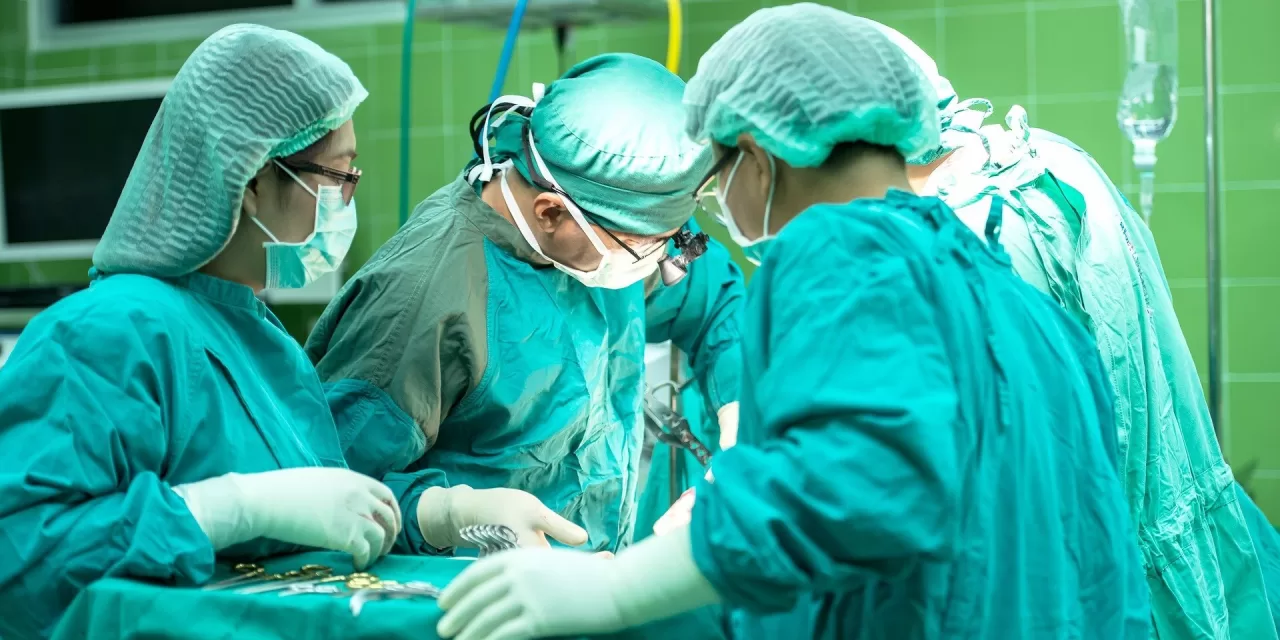
“Revision surgeries are far more complex and a surgically demanding procedure than the primary implant surgery,” noted Prof. Kumar. “Unlike the primary implant, during a revision surgery, there is already an implant inside. The failing implant causes significant bone loss, requiring special techniques, highly specialized training, planning, and experience.”
In a primary replacement, surgeons work with “virgin” bone, which offers a strong foundation for the new joint. In a revision, the surgeon must often navigate damaged bone stock, scar tissue, and the aftermath of the previous implant’s failure. This often necessitates the use of advanced equipment—such as metal augments, cones, and sleeves—to reconstruct the joint, significantly raising the technical difficulty.
The Skill Gap and Economic Impact
The shortage of surgeons trained specifically for this high-stakes environment is a pressing concern. Dr. Samarth Mittal, Additional Professor of Orthopaedics at the JPNA Trauma Centre, AIIMS, warned of the cascading effects of this skill gap.
“With the number of aging implants rising rapidly in India, the lack of specialized training can lead to premature failures, repeated operations, higher healthcare expenses, and long-term functional challenges for patients,” Dr. Mittal stated.
The economic implications are stark. Revision surgeries are estimated to be 50-70% more expensive than primary surgeries due to longer operating times, specialized implants, and extended hospital stays. In major Indian metros, while a primary knee replacement might cost between ₹3-4 lakhs, complex revisions can easily escalate to ₹5-8 lakhs or more depending on the severity of bone loss and infection.
A Call to Action
The consensus at RAC 2025 was clear: the era of the “generalist” joint surgeon handling complex revisions is ending.
“India is entering an era where trained ‘revision’ knee and hip replacement surgeons are no longer optional – they are essential,” declared Dr. (Prof.) Anil Arora, Organizing Chairman of RAC 2025 and a specialist in Robotic Knee and Hip Replacement.
Dr. Arora emphasized that the solution lies in dedicated training. “India urgently needs more skilled revision surgeons to meet the rising demand,” he urged. “Revision surgeries require expertise in dealing with aseptic loosening, implant wear, periprosthetic fractures, infections, and instability.”
Patient Advice: Vigilance is Key
For the millions of Indians currently living with artificial joints, the message from the medical community is one of vigilance, not panic. Experts recommend that patients who underwent surgery more than 10 years ago should not wait for pain to return before seeing a doctor.
Regular follow-ups—even when the joint feels fine—can detect early signs of wear (aseptic loosening) on X-rays before catastrophic failure occurs. Early intervention often means a less complex revision surgery, preserving more bone and ensuring a faster recovery.
As India’s demographic shifts towards an older population, the “grey tsunami” of revision surgeries is inevitable. The question remains whether the country’s medical education and training infrastructure can pivot fast enough to meet it.
Medical Disclaimer:
This article is for informational purposes only and should not be considered medical advice. Always consult with qualified healthcare professionals before making any health-related decisions or changes to your treatment plan. The information presented here is based on current research and expert opinions, which may evolve as new evidence emerges.
Reference Section:
-
India Needs More Skilled Surgeons for Revision Knee, Hip Replacement Surgeries. Ten News Network, Dec 6, 2025. Link