 0
0
 0
0
Published: February 17, 2026
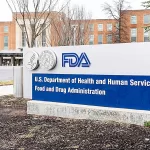
WASHINGTON D.C. — In a move that could fundamentally reshape the American pantry, U.S. Health and Human Services (HHS) Secretary Robert F. Kennedy Jr. announced on February 15, 2026, that the Food and Drug Administration (FDA) is officially reviewing a high-profile petition to revoke the “Generally Recognized as Safe” (GRAS) status for dozens of processed refined carbohydrates. This sweeping review targets ubiquitous ingredients—including high-fructose corn syrup, corn syrup, and refined white flours—that form the backbone of the ultra-processed food (UPF) industry. The announcement, made during a “60 Minutes” interview, signals a primary strike in the administration’s “Make America Healthy Again” agenda, aimed at curbing a chronic disease epidemic that costs the U.S. healthcare system billions annually.
The “GRAS” Loophole: A 70-Year-Old Relic
To understand the weight of this announcement, one must look back to 1958. Congress established the GRAS (Generally Recognized as Safe) designation to exempt common ingredients like vinegar or salt from rigorous, multi-year safety reviews, provided there was a long history of safe use or scientific consensus.
However, the system evolved. In 1997, a regulatory shift allowed companies to “self-determine” GRAS status. Essentially, a food manufacturer could hire its own experts to deem a new chemical or modified starch “safe” without ever notifying the FDA.
“There is no way for any American to know if a product is safe if it is ultra-processed,” Kennedy remarked during his interview. Critics argue this has created a “loophole” that has allowed thousands of unvetted substances into the food supply. While Europe permits roughly 400 food additives, the U.S. market contains thousands, many of which have bypassed formal public oversight.
The Kessler Petition: Challenging “Edible Logics”
The catalyst for this federal review is a citizen petition filed on August 6, 2025, by Dr. David Kessler, a former FDA Commissioner. Kessler’s argument is straightforward yet revolutionary: the scientific consensus that once deemed refined carbohydrates “safe” has evaporated in the face of a metabolic health crisis.
Kessler’s filing demands that the FDA:
-
Revoke existing GRAS affirmations for refined sweeteners and starches.
-
Require industry players to submit formal “Food Additive Petitions” within 24 months.
-
Potentially remove non-compliant products from grocery shelves.
Kessler describes these ingredients as “energy-dense, highly palatable, and rapidly absorbable.” He argues they are engineered to bypass natural satiety signals—acting like a “slot machine for the taste buds” that drives overconsumption and leads to Type 2 diabetes, hypertension, and non-alcoholic fatty liver disease.
The Weight of the Evidence: Why Now?
The push for revocation is backed by an increasingly grim body of research regarding ultra-processed foods, which currently account for nearly 70% of packaged products in the U.S.
A landmark 2024 umbrella review published in the BMJ analyzed data from nearly 10 million people. The findings were stark:
-
Cardiovascular Health: High UPF intake was linked to a 50% increased risk of cardiovascular-related death.
-
Metabolic Health: Researchers found a consistent “dose-response” relationship with Type 2 diabetes.
-
Mental Health: Significant associations were found between high UPF consumption and a 48% increase in anxiety and a 22% increase in depression.
“It’s high time for the FDA to rectify this,” says Dr. Marion Nestle, Professor Emerita of nutrition at New York University. “The current system prioritizes industry speed over public safety.”
Industry Pushback and Economic Hurdles
The food industry warns that a sudden revocation could trigger economic chaos. The Consumer Brands Association maintains that its members follow “FDA’s science and risk-based evaluation” and that the GRAS system is vital for innovation.
David Acheson, a former FDA Associate Commissioner for Foods, warns of a logistical nightmare. “There will be a flood of applications,” Acheson noted. “The FDA will need massive new resources to review thousands of ingredients that have been in the food supply for decades.”
Furthermore, some scientists caution that Kessler’s petition relies heavily on observational data. While the link between refined carbs and obesity is clear, proving direct causation—independent of lifestyle factors like sedentary behavior—remains a challenge for regulators in a court of law.
What This Means for the American Consumer
If the FDA moves forward with the revocation, the landscape of the American grocery store will change.
-
Reformulation: Manufacturers may be forced to replace refined syrups and flours with whole-food alternatives to avoid the lengthy “Food Additive” approval process.
-
Clearer Labeling: Products containing these ingredients may face stricter warning labels or loses of “healthy” marketing claims.
-
Higher Costs? Industry advocates argue that switching to less-processed ingredients could increase the price of staples, potentially impacting low-income families.
For the average consumer, the message from Washington is becoming clearer: the “center aisles” of the grocery store—filled with crackers, sodas, and pre-packaged snacks—are under intense scrutiny. Public health experts suggest that regardless of the FDA’s final ruling, shifting toward “perimeter shopping”—focusing on fresh produce, whole grains, and lean proteins—can reduce chronic disease risk by 20% to 50%.
The Path Forward
FDA Commissioner Marty Makary has expressed urgency in establishing a uniform definition for ultra-processed foods. While the review process is officially underway, there is no set timeline for a final decision. The move requires final White House sign-off and will likely face significant legal challenges from the food industry.
However, the mere act of reviewing these “safe” ingredients signals a paradigm shift. For the first time in decades, the fundamental components of the American diet are being asked to prove they aren’t making the nation sick.
References
- https://www.reuters.com/business/healthcare-pharmaceuticals/us-health-regulators-consider-safety-status-processed-ingredients-rfk-jr-says-2026-02-16/
Medical Disclaimer: This article is for informational purposes only and should not be considered medical advice. Always consult with qualified healthcare professionals before making any health-related decisions or changes to your treatment plan. The information presented here is based on current research and expert opinions, which may evolve as new evidence emerges.