 0
0
 0
0
NEW DELHI — A landmark systematic review released this February has confirmed that a new generation of non-invasive diagnostic tools can effectively replace the traditional liver biopsy for assessing fibrosis in patients with metabolic dysfunction-associated steatotic liver disease (MASLD). The findings, which synthesize data from over 900 studies conducted between 2020 and 2025, signal a major shift toward safer, pain-free monitoring for millions of people worldwide living with “fatty liver” conditions.
For decades, the “gold standard” for diagnosing liver scarring (fibrosis) has been the needle biopsy—an invasive procedure that carries risks of bleeding, pain, and, in rare cases, death. However, the 2026 review highlights that novel Non-Invasive Liver Disease Assessments (NILDAs) now offer “good to excellent” accuracy in identifying advanced fibrosis and cirrhosis, potentially making the biopsy needle a tool of the past for routine MASLD management.
The Rising Tide of MASLD
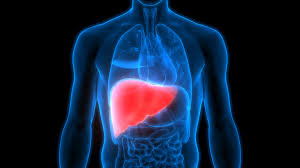
Metabolic dysfunction-associated steatotic liver disease (MASLD), formerly known as NAFLD, has become the most common chronic liver condition globally, fueled by rising rates of obesity and type 2 diabetes. When fat builds up in the liver, it can cause inflammation that leads to fibrosis. If left unchecked, this scarring progresses to cirrhosis or liver cancer.
Detecting this progression early is critical, but the invasive nature of biopsies has often led to “diagnostic inertia,” where patients and doctors delay testing until symptoms are severe.
“We are entering an era where we can map a patient’s liver health with a blood draw and an ultrasound rather than a surgical procedure,” says Dr. Ananya Sharma, a senior hepatologist not involved in the study. “This review provides the clinical confidence needed to integrate these tools into primary care, where they are needed most.”
Moving Beyond First-Generation Tests
Until recently, clinicians relied on basic tools like the FIB-4 index (a calculation based on age and blood markers) and Transient Elastography (TE), often marketed as FibroScan. While useful, these tests frequently produce “indeterminate” results—a diagnostic “no-man’s-land” where the doctor cannot certain if the liver is healthy or scarred.
The new systematic review evaluated 15 novel NILDAs that were previously omitted from major clinical guidelines. The standout performers were the Agile 3+ and Agile 4 scores.
How the New Tests Work
Unlike simple blood tests, these “Agile” scores are multi-modal. They combine:
-
Liver Stiffness Measurements: Taken via specialized ultrasound.
-
Clinical Biomarkers: Including platelet counts and glucose levels.
-
Patient Demographics: Factors such as sex, age, and diabetes status.
By combining these data points, researchers found that using FIB-4 followed by Agile 3+ or Agile 4 significantly reduced the number of “gray area” results without sacrificing accuracy.
Comparison of Diagnostic Approaches
| Tool | Method | Primary Use | Strength |
| FIB-4 | Blood Test | Initial Screening | High “rule-out” accuracy; free. |
| Transient Elastography | Ultrasound-based | Staging Fibrosis | Non-invasive; widely available. |
| Agile 3+ / 4 | Combined Data | Advanced Staging | Superior accuracy; fewer indeterminate results. |
| Liver Biopsy | Tissue Sample | Definitive Diagnosis | Provides visual tissue data; invasive. |
Implications for Public Health
The shift to non-invasive testing is more than just a matter of patient comfort; it is a public health necessity.
“The sheer volume of patients with MASLD means we cannot biopsy our way out of this epidemic,” says Michael Chen, a public health researcher specializing in metabolic diseases. “If we can use tools that rely on BMI, age, and routine blood work, we can screen patients in a primary care setting or even via telehealth-supported home kits in the future.”
The review also touched on the burgeoning role of Artificial Intelligence (AI). By training algorithms on thousands of liver scans and biopsy results, researchers are developing “intelligent” NILDAs that can predict disease progression years in advance. While not yet ready for widespread clinical use, AI-driven diagnostics are expected to further refine the accuracy of these non-invasive tools by late 2027.
A Balanced View: Limitations and Access
Despite the optimism, the medical community remains cautious. The review noted that the accuracy of NILDAs can vary across different populations. For instance, high Body Mass Index (BMI) can sometimes interfere with ultrasound-based measurements, leading to false readings.
Furthermore, there is the issue of accessibility. While the FIB-4 index is essentially free, specialized tools like Magnetic Resonance Elastography (MRE) or the proprietary Agile algorithms may be expensive or unavailable in rural and lower-income regions.
“We must ensure these advancements don’t widen the health equity gap,” Dr. Sharma warns. “A high-tech test is only an ‘alternative’ if the patient can actually afford it.”
What This Means for You
For patients living with MASLD or those at risk due to type 2 diabetes and obesity, this research offers a clear path forward:
-
Earlier Screening: Don’t wait for symptoms. Ask your doctor about a FIB-4 screening.
-
Request Alternatives: If a biopsy is recommended, ask if a combination of Agile scores or Elastography could provide the necessary information first.
-
Monitor Progress: Because these tests are non-invasive, they can be repeated more frequently to track if lifestyle changes—like diet and exercise—are actually reversing liver fat.
As the medical community moves toward the official adoption of these 15 novel tests into global guidelines, the message is clear: the future of liver health is digital, data-driven, and decidedly needle-free.
References
- https://www.daijiworld.com/news/newsDisplay?newsID=1305959
Medical Disclaimer: This article is for informational purposes only and should not be considered medical advice. Always consult with qualified healthcare professionals before making any health-related decisions or changes to your treatment plan. The information presented here is based on current research and expert opinions, which may evolve as new evidence emerges.