 0
0
 0
0
January 19, 2026
For nearly half a century, the battle against tuberculosis (TB) has been defined by a grueling marathon. Regardless of whether a patient has a single small lesion or extensive lung damage, the standard “short-course” treatment remains a rigid four-to-six-month regimen of intensive antibiotics. For many, this “one size fits all” approach is unnecessarily long, leading to side effects and treatment fatigue; for others, it may not be intensive enough to prevent relapse.
However, a landmark perspective published in Clinical Infectious Diseases suggests a paradigm shift is on the horizon. By utilizing “precision medicine”—tailoring treatment to the specific biological and clinical characteristics of the individual—experts believe we can finally break the four-month barrier, safely shortening treatment for millions while improving cure rates for the most complex cases.
The Problem with “Standard” Care
Tuberculosis remains one of the world’s deadliest infectious diseases, claiming approximately 1.3 million lives annually, according to the World Health Organization (WHO). While the current standard regimen is highly effective, its length is a significant hurdle.
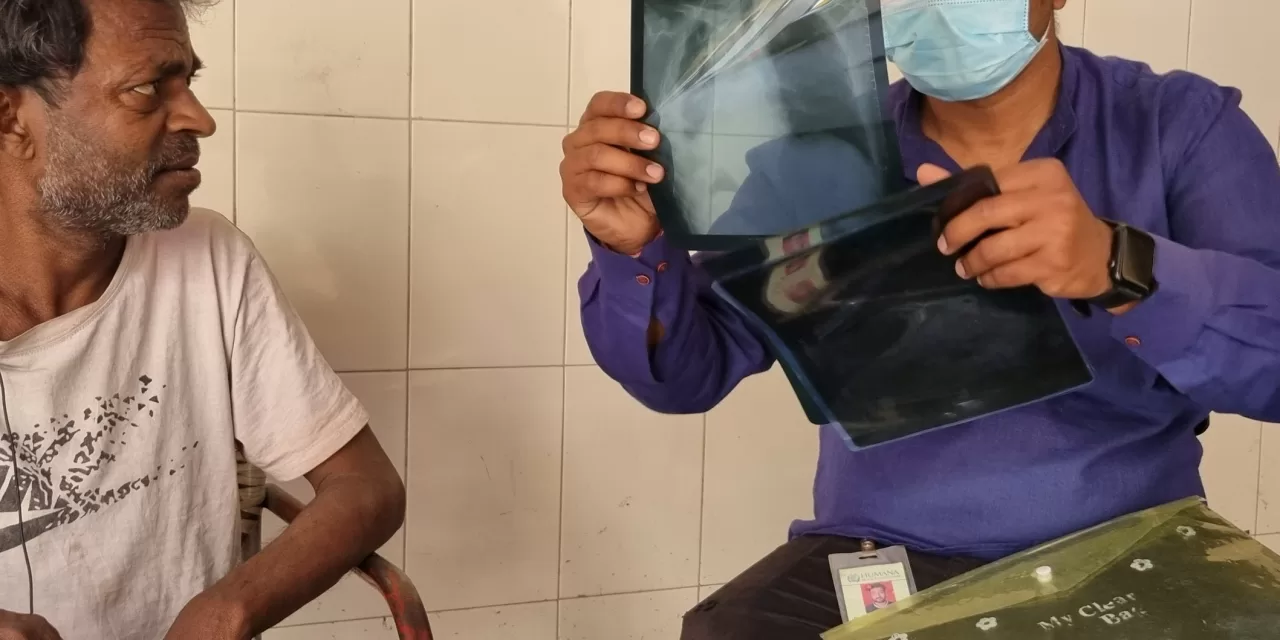
“We have treated TB as a uniform disease for too long,” says Dr. Elena Rossi, an infectious disease specialist not involved in the study. “Currently, we use crude markers—like whether we see cavities in the lungs on an X-ray or the concentration of bacteria in a sputum sample—to guess how a patient will respond. It’s like trying to predict the weather by looking at a single cloud.”
The authors of the new report, led by K. Niward and colleagues, argue that the primary barrier to shorter regimens is the lack of a standardized way to classify disease severity, or “phenotypes,” before a patient swallows their first pill.
Defining the “Clinical Phenotype”
Precision medicine in TB starts with a deeper understanding of the clinical phenotype—the sum of a patient’s observable traits, including their genetics, the specific strain of the bacteria, and the extent of the infection.
The research proposes moving beyond simple X-rays toward a multi-dimensional “snapshot” of the patient that includes:
-
Radiological Extent: Using AI-assisted imaging to quantify exactly how much lung tissue is involved.
-
Mycobacterial Burden: Precisely measuring the “bacterial load” rather than just noting its presence.
-
Host Response: Analyzing how the patient’s own immune system is reacting to the infection.
-
Drug Susceptibility: Rapidly identifying which antibiotics the specific strain of TB is most vulnerable to.
By integrating these factors into an algorithm, clinicians could identify “low-risk” patients who might be cured in as little as two months, while reserving longer, more intensive treatments for “high-risk” individuals.
The Role of “Omics” and AI
The transition to precision medicine is being fueled by “omics”—technologies that map large scales of biological data, such as transcriptomics (the study of RNA) and proteomics (the study of proteins).
The study highlights how blood-based signatures could eventually replace the need for patients to cough up sputum (mucus), which is often difficult for children or those in the early stages of the disease. Furthermore, Artificial Intelligence (AI) is expected to play a crucial role in synthesizing this data, allowing doctors in high-burden, low-resource settings to make complex treatment decisions quickly.
“The goal is not to make treatment more complicated, but to make it smarter,” explains the study. This includes model-informed precision dosing (MIPD), which uses mathematical models to predict the optimal drug dose for a specific patient, potentially using non-invasive samples like saliva or urine to monitor drug levels.
Monitoring: A Two-Way Street
Precision medicine doesn’t stop once the prescription is written. The authors emphasize that “response monitoring”—tracking how a patient improves—must be just as individualized as the initial diagnosis.
Currently, monitoring is often slow. If a treatment isn’t working, it might take weeks or months to realize it. Under the proposed precision model, clinicians would use “sputum-free” monitoring, such as tracking epigenetic changes in the blood, to see if the bacterial load is clearing in real-time. This allows for:
-
Early Escalation: Increasing the dose or duration if the bacteria are stubborn.
-
Early De-escalation: Shortening the treatment if the patient shows an exceptionally rapid response, reducing the risk of toxic side effects.
Challenges and the Path Forward
While the vision is promising, significant hurdles remain. Most “omics” tools and AI algorithms are currently used in research labs rather than rural clinics in high-endemic areas like Sub-Saharan Africa or Southeast Asia.
Critics also point out the cost. “Implementing high-tech biomarkers in areas where basic X-ray machines are scarce is a massive logistical challenge,” says James Boateng, a public health advocate. The study authors acknowledge this, noting that these tools must be “adapted and validated” for real-world use to ensure equity in global health.
Furthermore, these precision strategies must undergo rigorous clinical trials. We cannot simply assume that a “favorable phenotype” guarantees a cure with shorter treatment until it is proven in a controlled setting.
What This Means for Patients
For the average person, this research signals a future where a TB diagnosis is no longer a guaranteed six-month ordeal. It suggests a move toward a “personalized recovery plan” that respects the patient’s time and biology.
If you or a loved one are currently undergoing TB treatment, it is vital to follow the current standard of care prescribed by your doctor. While the “short-course” of the future is coming, the current regimens are the only proven way to ensure a relapse-free cure today.
Medical Disclaimer
This article is for informational purposes only and should not be considered medical advice. Always consult with qualified healthcare professionals before making any health-related decisions or changes to your treatment plan. The information presented here is based on current research and expert opinions, which may evolve as new evidence emerges.
References
Primary Study:
-
Niward K, et al. “Future Prospects for Using Clinical Phenotypes in Tuberculosis Precision Medicine—An Approach for Clinical Management.” Clinical Infectious Diseases. 2026. doi:10.1093/cid/ciaf663.