 0
0
 0
0
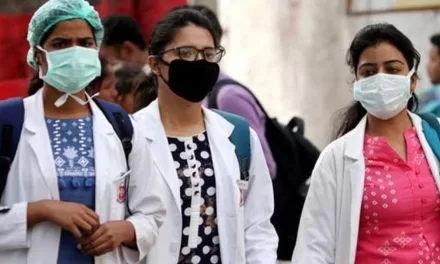
NEW DELHI — For decades, breast cancer was often perceived in India as a disease of the elderly or those with a strong genetic predisposition. However, a shifting demographic and biological landscape is challenging that notion.
Recent data from the Indian Council of Medical Research (ICMR) reveals a sobering trend: breast cancer cases among Indian women are rising at an estimated rate of 6% annually. Perhaps more concerning is the “age shift”—a significant number of diagnoses are now occurring in women aged 35 to 50, nearly a decade earlier than their counterparts in Western nations.
While genetics still play a role, oncologists and researchers are increasingly pointing toward a “metabolic perfect storm.” A combination of chronic sleep disruption, central obesity, and prolonged psychological stress is creating a biological environment where cancer can more easily take root.
The Sleep Connection: Beyond Mere Fatigue
One of the most striking developments in oncology is the link between the pillow and the petri dish. Evidence is mounting that disrupted sleep is not just a lifestyle grievance but a significant modifiable risk factor for breast cancer.
“We are seeing a clear clinical pattern,” says Dr. Shubham Garg, Director of Surgical Oncology at Dharamshila Narayana Hospital, Delhi. “Many women with no family history of the disease are presenting with breast cancer after years of chronic sleep deprivation, high-stress careers, or long-term night-shift work.”
The mechanism behind this involves the circadian rhythm—the body’s internal 24-hour clock. When we sleep in total darkness, the brain produces melatonin. This hormone does more than make us drowsy; it acts as a powerful antioxidant and a regulator of estrogen.
According to data from the National Centre for Disease Informatics and Research (NCDIR), chronic sleep disruption leads to:
-
Hormonal Imbalance: Suppressed melatonin leads to higher levels of circulating estrogen, which can fuel hormone-sensitive tumors.
-
Impaired DNA Repair: The body’s natural ability to “fix” genetic mutations occurs primarily during deep sleep.
-
Weakened Immune Surveillance: Sleep-deprived immune systems are less efficient at identifying and destroying early-stage malignant cells.
The “Apple Shape” Danger: Understanding Central Obesity
While many women monitor their total body weight, experts suggest that the waistline may be a more accurate predictor of cancer risk than the weighing scale. This is particularly true for post-menopausal women.
In India, “central obesity”—the accumulation of fat around the midsection—is increasingly common due to sedentary urban lifestyles. This visceral fat is not just stored energy; it is metabolically active tissue.
“After menopause, when the ovaries stop producing estrogen, the body’s adipose (fat) tissue becomes the primary source of this hormone,” explains Dr. Garg. “Excess fat in the midsection essentially acts as an ‘estrogen factory,’ providing a constant fuel source for hormone-receptor-positive cancers.”
Furthermore, central obesity promotes chronic inflammation and insulin resistance. High levels of insulin can stimulate the growth of IGF-1 (insulin-like growth factor), a protein that has been shown to encourage the proliferation of cancer cells.
Stress, Cortisol, and the Tumor Microenvironment
The modern Indian woman often balances demanding professional roles with traditional domestic expectations, leading to “chronic stress.” While stress itself doesn’t “cause” a mutation, it creates a hospitable environment for cancer.
When the body is under constant stress, it is flooded with cortisol. Over time, elevated cortisol:
-
Increases systemic inflammation, which can damage healthy cells.
-
Alters glucose metabolism, feeding the high energy demands of developing tumors.
-
Suppresses Natural Killer (NK) cells, the frontline soldiers of the immune system.
Why Younger Women are More Vulnerable
The shift toward younger diagnoses (ages 35–50) is a uniquely Indian challenge. Experts attribute this to a convergence of factors:
-
Delayed Childbearing: Late first pregnancies (after age 30) increase the window of “uninterrupted” estrogen exposure.
-
Reduced Breastfeeding: Shorter durations of breastfeeding limit the protective “reset” the breast tissue undergoes during lactation.
-
Urbanization: Increased consumption of processed foods and a move away from physical labor.
For women who have delayed childbirth, the message is one of vigilance rather than alarm. “Perspective is key,” says Dr. Garg. “While later pregnancy slightly increases lifetime estrogen exposure, this can be largely mitigated through active lifestyle choices like regular exercise and maintaining metabolic health.”
A New Strategy for Prevention
Given these rising risks, the traditional “wait until 50 for a mammogram” approach is no longer sufficient for the Indian context. A more holistic, risk-based strategy is required.
1. Metabolic Management
Improving insulin sensitivity through a diet low in refined sugars and high in fiber can directly lower the biological markers associated with cancer growth.
2. Prioritizing Sleep Hygiene
Restoring a consistent sleep-wake cycle is now viewed as a clinical intervention. This means 7–8 hours of sleep in a dark room to maximize melatonin production.
3. Personalized Screening
For women with multiple lifestyle risk factors—such as central obesity combined with a high-stress job and a history of poor sleep—experts recommend starting clinical breast exams and ultrasounds in their late 30s.
4. Stress Mitigation
Mindfulness, yoga, and community support are no longer “fringe” therapies; they are essential tools for lowering the cortisol levels that contribute to a pro-cancer environment.
The Path Forward
The rise of breast cancer in India is a complex challenge, but the emergence of modifiable risk factors offers a glimmer of hope. While we cannot change our genetics, we can influence our metabolism.
By focusing on sleep hygiene, managing central obesity, and addressing the toll of chronic stress, the next generation of Indian women may be able to bend the curve of this epidemic. Prevention is no longer just about the early detection of a tumor; it is about creating a body environment where a tumor struggles to survive.
References & Sources
-
ICMR (Indian Council of Medical Research): Report on National Cancer Registry Programme, 2024-2025 update.
-
NCDIR (National Centre for Disease Informatics and Research): Consolidated Report on Cancer Incidence and Mortality in India.
-
Expert Interview: Dr. Shubham Garg, Director of Surgical Oncology, Dharamshila Narayana Hospital, New Delhi. (Conducted Feb 1, 2026).
-
Journal of Clinical Oncology: Association of Sleep Duration and Quality with Breast Cancer Risk: A Systematic Review. DOI: 10.1200/JCO.2023.xx.xxx.
-
The Lancet Oncology: The growing burden of cancer in India: epidemiology and social context.
Medical Disclaimer: This article is for informational purposes only and should not be considered medical advice. Always consult with qualified healthcare professionals before making any health-related decisions or changes to your treatment plan. The information presented here is based on current research and expert opinions, which may evolve as new evidence emerges.