 0
0
 0
0
In the dense, humid reaches of tropical forests and the sprawling suburbs of the American South, a tiny, winged predator is unwittingly becoming one of the most powerful tools in modern medicine.
Researchers have long viewed the mosquito as humanity’s deadliest foe, responsible for hundreds of thousands of deaths annually through the transmission of malaria, Dengue, and Zika. However, a groundbreaking shift in genomic technology is turning the tables. Scientists are now leveraging the mosquito’s feeding habits—specifically the “blood meals” they carry—to track elusive wildlife, monitor emerging viruses, and predict the next potential pandemic before it reaches human populations.
The Biological “Crime Scene”
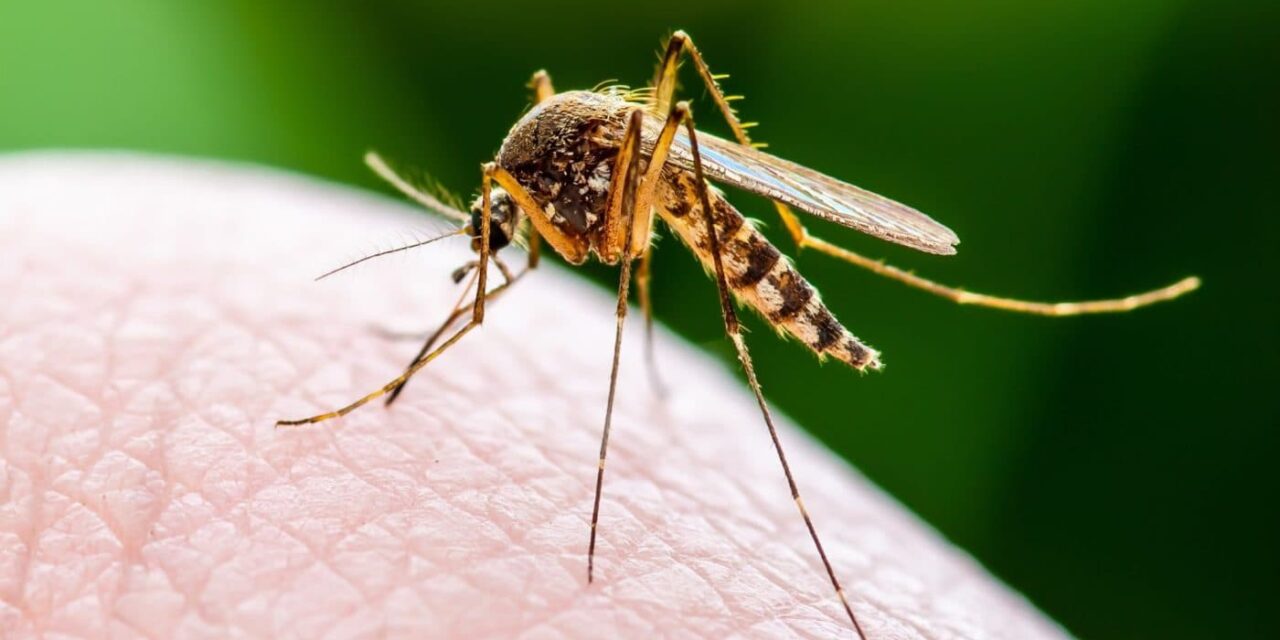
When a female mosquito bites a host, she doesn’t just take blood; she preserves a biological record of her victim. For several hours after feeding, the mosquito’s abdomen contains the intact DNA of the animal it bit, along with any pathogens circulating in that animal’s bloodstream.
Traditionally, tracking zoonotic diseases—illnesses that jump from animals to humans—required “active surveillance.” This involved teams of scientists trekking into remote habitats to trap, sedate, and draw blood from wild animals like bats, primates, or rodents. It is a process that is expensive, physically dangerous, and often stresses the animals involved.
“Using mosquitoes as ‘flying syringes’ allows us to sample the health of an entire ecosystem without ever touching a wild animal,” says Dr. Elena Rodriguez, an infectious disease specialist not involved in the latest research. “They do the fieldwork for us. By sequencing the blood inside a trapped mosquito, we can identify what animals are nearby and what viruses they are carrying.”
Key Findings: From DNA to Disease Detection
Recent studies published in journals such as Molecular Ecology Resources and Current Biology have demonstrated the efficacy of “xenosurveillance”—the practice of using hematophagous (blood-feeding) insects to monitor pathogens.
In a recent breakthrough highlighted by ecological researchers, DNA sequencing of mosquito blood meals successfully identified the presence of rare, endangered mammals that researchers hadn’t seen in the flesh for years. More importantly, the process identified viral fragments of West Nile virus and various flaviviruses in areas where human cases had not yet been reported.
The methodology relies on High-Throughput Sequencing (HTS). This technology allows scientists to take a “soup” of crushed mosquitoes and separate the genetic material of the insect from the genetic material of the host (the animal bitten) and the pathogen (the virus or bacteria).
By the Numbers:
-
75%: The estimated percentage of emerging infectious diseases in humans that are zoonotic in origin.
-
3,500+: The number of known mosquito species, many of which specialize in biting specific types of hosts (birds, mammals, or reptiles).
-
24–48 hours: The window of time researchers have to capture a mosquito after it feeds before the host DNA is fully digested.
Implications for Public Health
The ability to track “emerging health threats” via mosquitoes offers a crucial head start for public health officials. If a mosquito in a particular region is found to be carrying a mutated strain of avian flu or a rare tropical virus, local health departments can issue warnings, increase pesticide treatments, or prepare diagnostic kits before the first human patient walks into an emergency room.
“This is about moving from a reactive stance to a proactive one,” says Michael Chen, a public health analyst focusing on vector-borne diseases. “If we can see a virus circulating in the local deer or bird population via mosquito sampling, we can intervene weeks before the virus makes the jump to the human population.”
This “One Health” approach recognizes that human health is inextricably linked to the health of animals and the environment. By monitoring the “bridge” between these worlds—the mosquito—scientists gain a panoramic view of the microbial landscape.
Limitations and the Path Ahead
Despite the promise of xenosurveillance, significant hurdles remain. The primary challenge is the “degradation clock.” Once a mosquito begins digesting its meal, the DNA fragments become smaller and harder to read. Environmental factors like extreme heat can speed up this degradation, making it difficult to get accurate samples in the hottest tropical climates.
Furthermore, there is the “needle in a haystack” problem. Even in a trap containing thousands of mosquitoes, only a small percentage may have recently fed on a host of interest. The cost of genomic sequencing, while falling, still poses a barrier for many developing nations where these diseases are most prevalent.
Critics also point out that identifying a virus in a mosquito’s gut doesn’t always mean that virus is ready to infect humans. “A virus needs more than just presence; it needs the right mutations and the right environmental conditions to jump species,” cautions Dr. Rodriguez. “We must be careful not to trigger unnecessary panic based on fragments of genetic code.”
Practical Advice for the Public
While scientists use mosquitoes as data-gathering tools, for the average citizen, the traditional advice remains paramount. The rise of new surveillance techniques underscores just how active these insects are in our backyards.
To protect yourself and your family:
-
Eliminate Standing Water: Mosquitoes can breed in as little as a bottle cap of water. Empty saucers, gutters, and old tires.
-
Use EPA-Registered Repellents: Look for active ingredients like DEET, Picaridin, or Oil of Lemon Eucalyptus.
-
Support Local Surveillance: Many municipal “Mosquito Control Districts” rely on public funding. Supporting these programs helps maintain the traps that provide this vital data to scientists.
As the planet warms and mosquito habitats expand further north and south, the data harvested from these tiny insects will become our most valuable currency in the fight against the next pandemic.
Medical Disclaimer: This article is for informational purposes only and should not be considered medical advice. Always consult with qualified healthcare professionals before making any health-related decisions or changes to your treatment plan. The information presented here is based on current research and expert opinions, which may evolve as new evidence emerges.
References
-
Earth.com: “Mosquito blood tracks animals and emerging health threats” (Source Topic).