 0
0
 0
0
LUCKNOW — The tragic death of a first-year MBBS student at Integral University on March 12, 2026, has sent shockwaves through the medical education community, reigniting a national debate over the crushing weight of academic pressure in India. The student, a resident of Gorakhpur, was discovered in his hostel room after failing to respond to his roommate. Local authorities and family members indicate that severe distress following exam failures likely precipitated the event, highlighting a systemic crisis that continues to claim the lives of the nation’s future healers.
A Promising Career Cut Short
According to reports from the Lucknow police, the alarm was raised when the student’s roommate returned from the hostel mess to find their shared room locked from the inside. After repeated attempts to get a response failed, hostel authorities and police forced entry. The student was rushed to a nearby hospital, where he was declared dead.
Family members revealed that the young man had recently received his first-year results, failing all but one subject. In the high-stakes environment of Indian medical education, “backs” (failed subjects) are often viewed by students not just as academic setbacks, but as catastrophic personal failures. While police investigations are ongoing, the preliminary focus remains on academic distress as the primary driver.
The Statistical Reality of Student Distress
This incident is far from an isolated tragedy. Data from the National Crime Records Bureau (NCRB) paints a grim picture of the mental health landscape for Indian youth. In 2022, India recorded over 170,000 suicides, with students accounting for approximately 7.6% of those deaths.
Specific figures related to “exam failure” are particularly sobering:
-
In 2022 alone, 2,248 deaths were officially attributed to exam failure.
-
Student suicides have seen a steady climb, with 13,089 deaths recorded in 2021.
-
Research published in the Indian Journal of Psychological Medicine indicates that anxiety surrounding entrance exams like NEET was present in 78% of studied suicide cases in 2020.
Experts argue these numbers may actually be conservative, as the stigma surrounding suicide often leads to underreporting or misclassification of causes in rural districts.
The Anatomy of Academic Pressure
Mental health professionals emphasize that suicide is rarely triggered by a single event, such as a failed test. Instead, it is often the “final straw” in a complex web of vulnerabilities.
“For many students, especially those in prestigious tracks like MBBS, academic success is inextricably linked to their identity and their family’s social standing,” says Dr. R. Kumar, a consultant psychiatrist at a government medical college. “When they fail, they don’t just see a bad grade; they see a shattered future and a disappointed family. It feels irreversible.”
Common risk factors identified in medical students include:
-
Perfectionism: High-achieving students often have “all-or-nothing” thinking.
-
Social Isolation: Long hours of study can lead to a breakdown of support networks.
-
Institutional Stigma: A culture that prizes “toughness” often discourages future doctors from seeking psychiatric help, fearing it may affect their career prospects.
Policy Responses: Is Enough Being Done?
In November 2022, India adopted its first National Suicide Prevention Strategy (NSPS). A core pillar of this strategy is the mitigation of exam-related stress. One recommended intervention is the expansion of “second-chance” systems—supplementary exams that allow students to clear failed subjects without losing an entire academic year.
In 2023, data showed that of the 127,622 students who took supplementary exams, roughly 40% passed. This demonstrates that academic failure is frequently a temporary hurdle rather than a permanent ceiling. However, the implementation of these safety nets remains inconsistent across different states and private vs. public universities.
Warning Signs for Peers and Parents
Public health experts urge families and roommates to look for “red flag” behaviors that suggest a student is in crisis:
-
Withdrawal: Avoiding the mess hall, social gatherings, or calls home.
-
Verbal Cues: Making statements about being a “burden” or “having no way out.”
-
Changes in Habits: Drastic shifts in sleep patterns or personal hygiene.
-
Giving Away Possessions: Distributing prized belongings to friends or roommates.
Moving Toward a “Culture of Care”
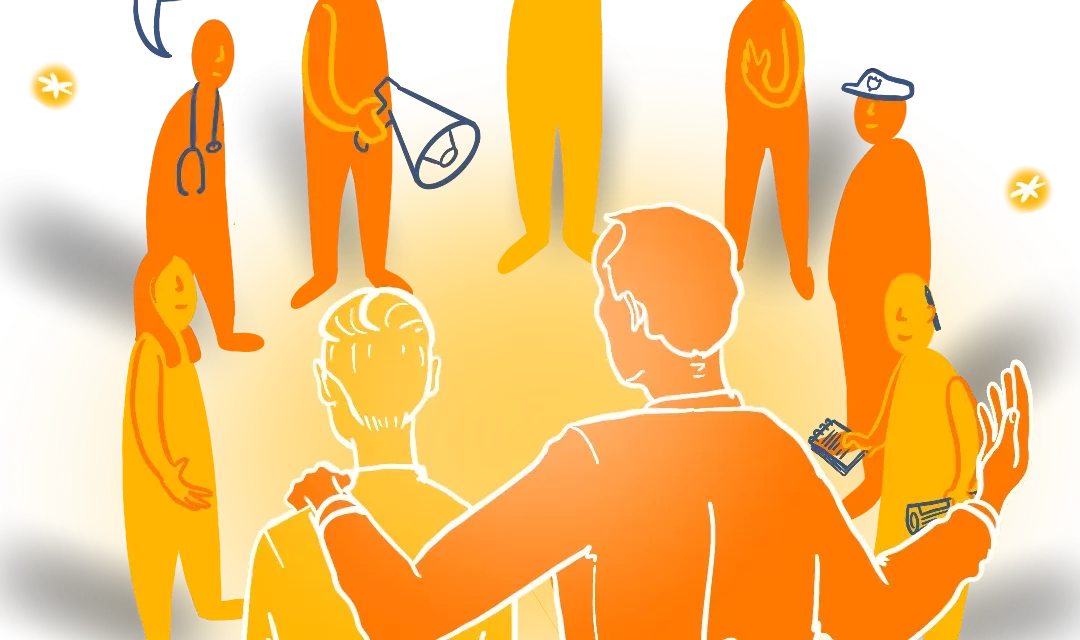
The tragedy in Lucknow underscores the need for medical institutions to move beyond “counseling cells” that exist only on paper. Peer support groups, mentor-mentee programs, and 24/7 crisis hotlines must be integrated into the fabric of campus life.
For parents, the message from psychologists is clear: unconditional support is the best prevention. Encouraging open dialogue about failure and de-linking a child’s worth from their marks can provide the emotional buffer necessary to survive academic setbacks.
As India continues to modernize its healthcare education, the death of this first-year student serves as a haunting reminder that the health of the student must come before the prestige of the degree.
Medical Disclaimer: This article is for informational purposes only and should not be considered medical advice. Always consult with qualified healthcare professionals before making any health-related decisions or changes to your treatment plan. The information presented here is based on current research and expert opinions, which may evolve as new evidence emerges.
References
- https://medicaldialogues.in/state-news/uttar-pradesh/lucknow-mbbs-student-dies-by-suicide-allegedly-after-failing-1st-year-exams-166429