 0
0
 0
0
March 10, 2026
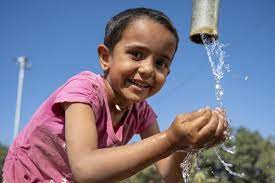
NEW DELHI — In a landmark progress report delivered to the Rajya Sabha on March 9, the Government of India reaffirmed its commitment to achieving Universal Sustainable Development Goal (SDG) 6.1: ensuring safe and affordable drinking water for all citizens by 2030. Driven by the ambitious Jal Jeevan Mission (JJM) in rural sectors and the AMRUT 2.0 initiative in urban centers, the nation has moved from a 16.7% rural tap water coverage in 2019 to a staggering 81.71% as of March 2026. This massive infrastructure shift represents one of the most significant public health interventions in modern history, aiming to eradicate waterborne diseases and chemical toxicity that have plagued millions for generations.
A Surge in Infrastructure: By the Numbers
When the Jal Jeevan Mission was launched in August 2019, only 3.23 crore rural households had access to running tap water. According to the latest data released by Minister of State for Jal Shakti, Shri V. Somanna, an additional 12.58 crore households have been connected in less than seven years.
Currently, out of approximately 19.36 crore rural households, 15.82 crore now have functional tap connections. To ensure no household is left behind, the Union Budget 2025-26 officially extended the JJM timeline until 2028, providing the necessary fiscal runway to reach the most remote “last-mile” habitations.
The Silent Threat: Arsenic and Fluoride
Beyond the convenience of a tap, the mission’s primary victory lies in water quality. For decades, “quality-affected habitations”—areas where groundwater is naturally contaminated with Arsenic and Fluoride—have seen high rates of chronic illness.
Arsenic exposure is linked to skin lesions and various cancers, while excessive Fluoride leads to skeletal and dental fluorosis, a debilitating condition that weakens bones and stains teeth.
“The transition from ‘any water’ to ‘safe water’ is a critical medical milestone,” says Dr. Aradhana Sharma, a public health consultant not involved in the government report. “By prioritizing habitations with chemical contaminants and installing Community Water Purification Plants (CWPPs), we are seeing a proactive approach to preventing non-communicable environmental diseases.”
As of March 3, 2026, the government reports that all rural habitations previously affected by Arsenic and Fluoride now have access to safe drinking water, at least through short-term measures or CWPPs, while permanent piped schemes are being finalized.
Urban Self-Reliance: AMRUT 2.0
While the rural landscape transforms, the Ministry of Housing & Urban Affairs is spearheading the urban counterpart through the Atal Mission for Rejuvenation and Urban Transformation (AMRUT) 2.0.
Launched in 2021, AMRUT 2.0 aims to make cities “water secure” through:
-
Universal Coverage: Providing water supply to all households in approximately 4,800 statutory towns.
-
Sewerage Management: Ensuring 100% coverage in 500 major cities.
-
Investment: Approved water supply projects under AMRUT 2.0 currently total ₹1,19,670.51 crore.
Public Health Implications
The impact of universal water access extends far beyond hydration. Public health experts point to the “Multiplier Effect” of clean water:
-
Reduction in Diarrheal Diseases: Contaminated water is a leading cause of child mortality in India. Consistent, treated water supply significantly reduces the incidence of cholera, dysentery, and typhoid.
-
Nutritional Gains: Even with adequate food, children in areas with poor water quality often suffer from “environmental enteropathy,” a condition where the gut cannot absorb nutrients due to constant low-level infections. Clean water is a prerequisite for ending stunting.
-
Maternal Health: Access to water in the home reduces the physical burden on women, who traditionally carry heavy pots over long distances, leading to improved musculoskeletal health and more time for prenatal care or economic activity.
Limitations and the Road Ahead
Despite the celebratory data, independent observers note significant hurdles. “Infrastructure is the first step, but sustainability is the second,” notes Rajesh Gupta, an environmental engineer specializing in rural water systems. “The challenge now shifts to ‘Source Sustainability’—ensuring that the groundwater or surface water feeding these pipes doesn’t run dry due to climate change or over-extraction.”
Furthermore, while 81.71% of households have connections, the consistency of “prescribed quality” must be monitored. The JJM dashboard provides real-time data, but local community involvement in water testing remains vital to ensure that bacterial contamination does not occur within the village distribution networks.
What This Means for You
For the average citizen, the progress toward 2030 means a shift in household management. However, health literacy remains paramount:
-
Trust but Verify: While piped water is treated, households should remain aware of local water reports and ensure their internal plumbing is clean.
-
Conservation: As the government scales up access, individual water conservation becomes critical to prevent source depletion.
-
Participation: Use the JJM public dashboard to monitor the status of your district and participate in local ‘Pani Samitis’ (Water Committees) to ensure long-term maintenance.
India’s journey toward universal water access is more than an engineering feat; it is a foundational pillar for a healthier, more equitable society. With the 2028 extension and the 2030 SDG goal in sight, the nation is on the cusp of closing a centuries-old gap in public health.
Medical Disclaimer
Medical Disclaimer: This article is for informational purposes only and should not be considered medical advice. Always consult with qualified healthcare professionals before making any health-related decisions or changes to your treatment plan. The information presented here is based on current research and expert opinions, which may evolve as new evidence emerges.
Reference Section
-
Press Information Bureau (PIB) Delhi: “Universal Safe Drinking Water Access to All by 2030,” Posted 09 March 2026.