 0
0
 0
0
BANGKOK, Jan 26, 2026 — Thailand’s Ministry of Public Health has officially launched heightened health screening protocols at major international gateways following reports of a Nipah virus (NiV) cluster in West Bengal, India. The measures, which began Sunday, target air passengers arriving from India, with a specific emphasis on those traveling from the affected eastern state.
The screening is currently active at Bangkok’s Suvarnabhumi and Don Mueang airports, as well as Phuket International Airport. Thai authorities confirmed that the surveillance serves as a “precautionary shield,” utilizing infrastructure similar to that established during the COVID-19 pandemic to identify and isolate potential cases before they enter the community.
A Targeted Response to the West Bengal Cluster
The directive comes after Indian health officials confirmed five infections and quarantined nearly 100 people in the Barasat region, near Kolkata. The outbreak reportedly began at a private hospital where healthcare workers contracted the virus while treating a patient who displayed severe respiratory distress and neurological symptoms.
“Public health screening systems have been adjusted based on the model used during the COVID-19 outbreak,” stated Prime Minister Anutin Charnvirakul on Sunday. While emphasizing that Thailand remains free of the virus, he noted that precautions must be intensified because there is currently no licensed cure or vaccine for Nipah.
Key Preventive Measures for Travelers
As part of the protocol, travelers from risk areas are being issued a “Health Beware Card.” This document serves as a critical tool for self-monitoring during the virus’s incubation period, which typically lasts 4 to 14 days but can extend up to 21 days.
Authorities urge travelers to monitor for the following symptoms:
-
Initial Signs: High fever, persistent headache, muscle pain (myalgia), and sore throat.
-
Respiratory Symptoms: Cough and acute breathing difficulties.
-
Neurological Warning Signs: Drowsiness, disorientation, confusion, or seizures.
Passengers who have had contact with bats, sick livestock (such as pigs), or confirmed Nipah patients within the three weeks prior to arrival are advised to notify medical staff immediately upon the onset of any illness.
Understanding the Threat: High Fatality and Limited Treatment
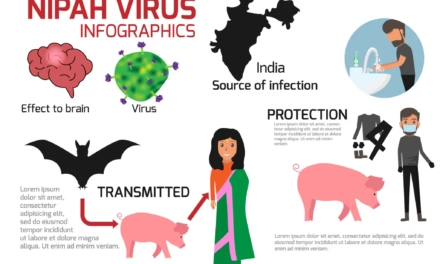
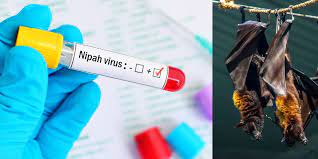
The Nipah virus is a zoonotic pathogen, meaning it jumps from animals to humans. Its natural reservoir is the fruit bat (Pteropus genus), also known as the “flying fox.” While the virus often causes no symptoms in bats, it can be devastating in humans.
According to the World Health Organization (WHO), the case fatality rate for Nipah is alarmingly high, estimated between 40% and 75%. This variability depends on the specific viral strain and the capacity of local healthcare systems to provide intensive supportive care.
“Nipah is a priority pathogen because of its epidemic potential and the severity of the disease it causes,” says Dr. Somsak Akksilp, a public health consultant not involved in the current screening rollout. “Unlike influenza, it is not airborne; it requires close contact with bodily fluids. However, the high mortality rate means we cannot afford a single undetected case.”
The Challenges of Diagnosis
One of the primary difficulties in managing Nipah is that its early symptoms are non-specific, often mimicking the flu or Japanese encephalitis. In the later stages, the virus can cause encephalitis (inflammation of the brain), leading to coma within 24 to 48 hours. Survivors may also face long-term neurological consequences, including persistent seizures and personality changes.
Public Health Outlook and Global Preparedness
The global health community is racing to develop countermeasures. As of early 2026, several vaccine candidates are in development. Notably, the ChAdOx1 NipahB vaccine, developed by the University of Oxford, and the PHV02 candidate are moving through clinical trials in high-risk regions like Bangladesh.
Despite these advancements, experts remind the public that traditional hygiene remains the most effective defense. “People should continue their normal lives but maintain high standards of hygiene,” Prime Minister Charnvirakul advised. This includes washing hands frequently and avoiding the consumption of raw date palm sap or fruits that show signs of bat bites—common transmission routes in Southeast Asia.
Regional Surveillance
Thailand is not alone in its vigilance. Nepal has also heightened alertness at its land borders and at Tribhuvan International Airport in Kathmandu, reflecting a coordinated regional effort to contain the pathogen within West Bengal.
For now, the Thai Department of Disease Control has placed hospitals on standby, ensuring that isolation wards and specialist staff are ready should a suspected case be identified through the airport checkpoints.
References
- https://www.daijiworld.com/news/newsDisplay?newsID=1304619
Medical Disclaimer: This article is for informational purposes only and should not be considered medical advice. Always consult with qualified healthcare professionals before making any health-related decisions or changes to your treatment plan. The information presented here is based on current research and expert opinions, which may evolve as new evidence emerges.