 0
0
 0
0
Texas has confirmed its first measles case in Dallas, marking a significant development in the state’s ongoing outbreak, which has now reached 717 cases across 32 counties. The Texas Department of State Health Services (TDSHS) reported eight new cases since its last update on May 9, including two in the Dallas area. These Dallas cases are linked to the large West Texas outbreak centered in Gaines County and are also connected to outbreaks in Collin and Rockwall counties, both northeast of the city.
The outbreak, which began in January, has become the largest in Texas in 30 years. Gaines County remains the epicenter, accounting for more than half of the state’s cases. While the spread continues, health officials recently removed Garza and Lynn counties from the list of active transmission zones after two incubation periods passed without new infections.
The surge in cases has led to 93 hospitalizations and at least two deaths among unvaccinated children since the start of the outbreak. Officials estimate that fewer than 10 people with confirmed cases remain infectious, but due to the highly contagious nature of measles, additional cases are likely.
In a notable development, researchers from Baylor College of Medicine detected measles virus in Houston’s wastewater on January 7-nearly a week before the first confirmed cases appeared in two travelers living in the same area. This early detection, published in the American Journal of Public Health, highlights the potential of wastewater surveillance as an early warning tool for infectious disease outbreaks.
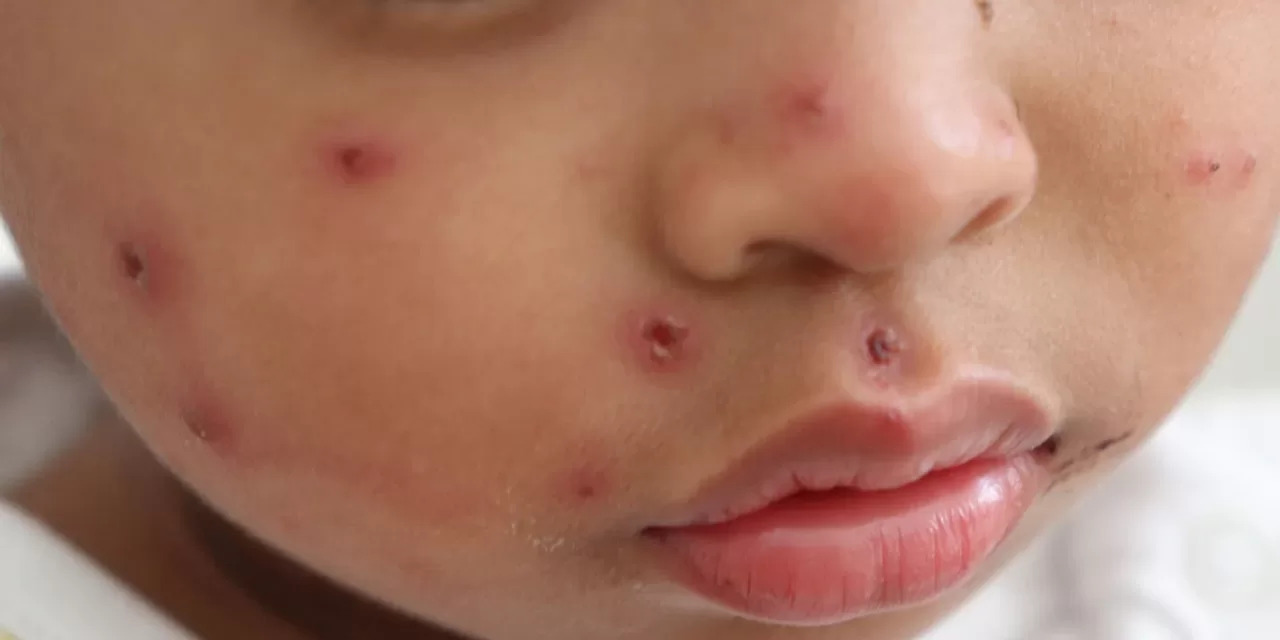
Measles is a highly contagious viral disease that typically begins with fever, cough, and runny nose, followed by a rash three to five days after symptoms start. Health experts emphasize that vaccination with the MMR (measles, mumps, rubella) vaccine is the most effective way to prevent infection. Additional recommended precautions include wearing masks, frequent handwashing, and maintaining cleanliness in homes and clothing.
“As healthcare providers, community leaders, and policymakers, we have a shared responsibility to protect public health,” said Health and Human Services Secretary Robert F. Kennedy Jr. “This includes ensuring that accurate information about vaccine safety and efficacy is disseminated. We must engage with communities to understand their concerns, provide culturally competent education, and make vaccines readily accessible for all those who want them.”
Disclaimer:
This article is based on information available as of May 14, 2025. Details regarding the outbreak, case numbers, and public health recommendations may change as new information emerges. For the latest updates and guidance, consult official sources such as the Texas Department of State Health Services and the Centers for Disease Control and Prevention.
Citations: