 0
0
 0
0
A team of researchers led by Dr. Jaime Grunlan at Texas A&M University has developed an innovative adhesive for wearable medical devices that could significantly reduce discomfort for millions of users. The new technology, developed within the J. Mike Walker ’66 Department of Mechanical Engineering, may offer a more comfortable alternative to existing adhesives used with devices such as glucose monitors and heart monitors, which can often cause skin irritation during extended wear.
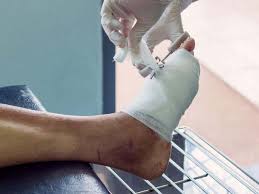
Wearable healthcare devices have become essential tools for real-time health monitoring and chronic disease management, especially for people living with diabetes and heart conditions. However, most current devices rely on hydrophobic, pressure-sensitive adhesives made from solvent-based chemicals like acrylates, methacrylates, or colophonium. While effective at sticking to the skin, these adhesives frequently lead to uncomfortable side effects, including rashes, inflammation, itchiness, and skin redness, with some users even experiencing allergic reactions due to prolonged contact.
Dr. Grunlan’s research focused on polyelectrolyte-complex (PEC) coatings, originally developed for flame-retardant applications. Recognizing the materials’ inherent stickiness and water-based formulation, the team saw an opportunity to adapt PECs as a safer adhesive for skin contact. Unlike traditional adhesives, the water-based nature of PECs means that moisture—or even sweat—may actually enhance their adhesion rather than weaken it. This could be particularly beneficial for devices worn on the arms or chest for long periods, especially in humid conditions or during physical activity.
“We were able to develop and patent a PEC that can match the adhesive strength of 3M Tegaderm adhesive,” said Dr. Grunlan. Tegaderm, a commonly used cyanoacrylate-based adhesive, is known for its strength but also widely reported to cause skin discomfort for some users.
The research is still in early stages. Initial biocompatibility testing was supported by Dr. Balakrishna Haridas’s lab, and further development continues with assistance from collaborators at the Precise Advanced Technologies and Health Systems for Underserved Populations Engineering Research Center and funding from an Army Phase II SBIR grant. Potential applications span not just diabetes and cardiac care, but also patients using medical devices for sleep disorders and other chronic conditions.
“To our knowledge, no one has used a PEC as an adhesive for wearable medical devices.” – Dr. Jaime Grunlan
Disclaimer:
This article reports on laboratory research which is still in its developmental stages. The new adhesive has not yet completed clinical trials or received regulatory approval for commercial use. Individuals should continue to use currently approved adhesives for medical devices as directed by healthcare professionals.