 0
0
 0
0
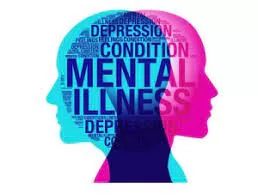
On October 2025, the Telangana Junior Doctors Association (T-JUDA) unveiled ‘ED T-JUDA Connect’, a confidential mental health helpline for medical students and junior doctors in state-run colleges, against the harrowing backdrop of escalating suicides among India’s future healthcare professionals. The initiative aims to provide crucial emotional and psychological support in an environment rife with academic stress, long working hours, and insufficient mental health resources—factors identified as major contributors to student vulnerability.
Key Findings and Developments
India’s medical education system faces an alarming mental health crisis. According to the National Medical Commission (NMC), at least 122 medical students died by suicide between 2018 and 2022—64 pursuing MBBS and 58 in postgraduate programs. Telangana is among the worst affected, catalyzing T-JUDA’s intervention. ‘ED T-JUDA Connect’ is run by a team of trained peers, volunteers, and junior doctors from psychiatric departments, offering initial counselling, mental health assessment, and discreet referrals to outside specialists.
Ajay Kumar Goud, General Secretary of T-JUDA, emphasized to Medical Dialogues: “Doctors, while dedicated to healing others, often neglect their own well-being.” He described cases where academic pressure, social expectations, and emotional exhaustion drove medical students to extreme distress, including recent incidents where exam stress led to suicide attempts.
Expert Perspectives
Dr. Aviral Mathur, President of the Federation of Resident Doctors Association (FORDA), commented: “Rigorous academic schedules, hostile work environments, and a lack of adequate redressal mechanisms amplify student burnout. Language barriers and punitive institutional policies further complicate the picture, highlighting systemic shortcomings in medical training.”
Dr. Rohan Krishnan, National Chairman of FAIMA Doctors Association, points out that bond policies in some colleges—which impose significant financial penalties for dropping out—exert psychological pressure on struggling students, sometimes with tragic outcomes. Experts across India agree on the urgent need for structured, confidential support systems like peer-led helplines and mandatory counseling services.
Context and Background Information
Suicide and mental illness among medical students is a recognized global phenomenon, but India’s case is critical due to massive competition, cultural stigma, and insufficient mental health infrastructure. Reports indicate that medical students experience nearly double the suicide and suicidal ideation rates compared to their non-medical counterparts. Female students in particular are at higher risk for suicidal ideation and depression.
Institutional data from the NMC and RTI activists reveal that dropout rates are also dangerously high, with more than 1,100 postgraduate dropouts and 153 undergraduate dropouts in five years. Andhra Pradesh recently trained 3,000 medical students as suicide prevention peer mentors—a model praised for its early identification and intervention impact.
Implications for Public Health
These developments carry far-reaching implications. Poor mental health among medical trainees jeopardizes not only future workforce resilience, but also patient safety and healthcare quality. Timely peer intervention, stigma reduction campaigns, and curricular inclusion of mental health training are recommended by the Task Force on mental health and wellbeing in medical education. They advocate for culturally sensitive policies, flexible scheduling, and holistic well-being programs for medical students.
Potential Limitations and Counterarguments
While helplines such as ED T-JUDA Connect are promising, their long-term effectiveness will depend on sustained engagement, professional supervision, and adequate resource allocation. Barriers like fear of career impact, apprehension over diagnosis, and privacy concerns continue to discourage help-seeking among medical students. Critics also warn against over-reliance on peer counseling, arguing that integration with qualified mental health professionals remains essential for safe, effective care.
Practical Implications
For readers, these findings underscore the need to:
-
Advocate for institutional mental health resources and peer support programs in educational environments.
-
Recognize warning signs of psychological distress and encourage timely, non-judgmental intervention.
-
Support initiatives that destigmatize mental health issues among healthcare professionals.
If you or someone you know is struggling with mental health issues, confidential help is available through multiple channels, including campus helplines, the national TELE-MANAS mental health support line, and specialized services provided by organizations such as Suicide Prevention India Foundation.
Medical Disclaimer:
This article is for informational purposes only and should not be considered medical advice. Always consult with qualified healthcare professionals before making any health-related decisions or changes to your treatment plan. The information presented here is based on current research and expert opinions, which may evolve as new evidence emerges.
References