 0
0
 0
0
In a pioneering move to enhance primary healthcare diagnostics, the Telangana government has installed two Health ATMs at public hospitals in King Koti and Malakpet, Hyderabad. Launched in 2025 as a pilot initiative, these self-operated touchscreen kiosks aim to provide fast, affordable, and accessible medical tests to thousands of patients daily, marking the first use of such technology in government-run hospitals in the city.
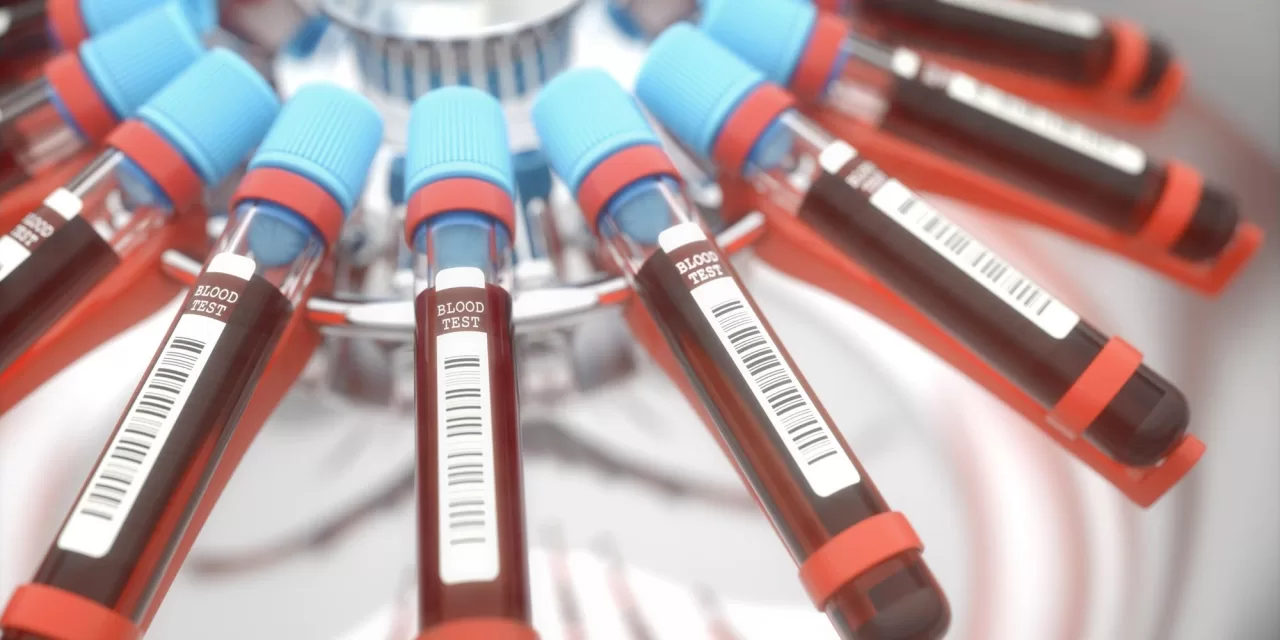
The Health ATMs, developed by Delhi-based Cloud Spital, are capable of conducting over 130 medical tests—including around 50 blood tests—with results generated within minutes. The machines measure a broad spectrum of health parameters, such as cardiovascular and pulmonary functions, ECG, lipid profiles, liver and kidney function tests, ENT checks, blood pressure, blood sugar, and hemoglobin levels. This rapid diagnostic capability is designed to help patients receive timely reports and facilitate quicker clinical decision-making in outpatient settings.
Dr. Ajay Kumar, commissioner of the Medical Policy Council in Telangana, highlighted the innovative potential of the kiosks in an interview with The Times of India. He noted that the machines are being trialed for accuracy and effectiveness in light of similar devices used in other states. Kumar emphasized that patients can bring their instant reports directly to doctors, reducing the outpatient load and streamlining healthcare delivery. Based on the success of the pilot, the government plans to expand the program to more government Primary Health Centres (PHCs), Urban Primary Health Centres (UPHCs), and other healthcare facilities across the state.
Accuracy and Integration with Health Systems
To ensure the reliability of these new diagnostic kiosks, the Health ATMs’ results are being rigorously compared with tests conducted by the Telangana Diagnostics Centre (TDS) at the Institute of Preventive Medicine in Narayanguda. According to Piyush Solanki from Cloud Spital, over 100 daily samples are being cross-checked, with initial findings showing a remarkable 100% accuracy rate so far. This consistency strengthens the credibility of Health ATMs as reliable diagnostic tools.
Moreover, the machines are integrated with digital health platforms, including the Central Government’s Ayushman Bharat Health Account (ABHA) and Telangana’s telemedicine service, E-Sanjeevni. Once patients register on a first visit, their data is stored securely in the kiosk’s system and synced with a mobile app, allowing for seamless tracking of health test history and easier sharing of diagnostic reports with healthcare providers.
Expert Perspectives on Practical Use and Challenges
While the pilot has received positive feedback for the convenience and speed of testing, some operational challenges have been noted—especially in high-traffic hospital environments. Dr. A. Bheemavathi, a pathologist overseeing the project, pointed out that although test results are ready in a few minutes, the total testing process takes around 45 minutes to an hour. Hospitals with a large daily influx of patients may require multiple machines to manage workloads effectively.
However, Dr. Bheemavathi underscored a key advantage: the Health ATMs’ ability to operate round-the-clock, including emergency hours when conventional laboratory services often shut down or limit operations. This continuous availability could be lifesaving by offering timely diagnostics when standard labs are closed or overwhelmed.
Context and Implications for Public Health
The Telangana Health ATM initiative reflects a growing trend in healthcare towards automated, point-of-care diagnostic technology aimed at expanding access and reducing delays. Early and quick testing plays a crucial role in disease management, especially in resource-limited settings where laboratory infrastructure may be stretched thin. By providing immediate results, Health ATMs can potentially improve patient outcomes by facilitating faster diagnosis and treatment initiation.
Such innovations are aligned with India’s broader public health goals of digital integration and expanding healthcare access under schemes like Ayushman Bharat, which focuses on universal health coverage and health equity. If scaled up successfully, the technology could serve as a model for other states seeking to enhance diagnostics in government health facilities.
Limitations and Considerations
Despite the promising technology, the deployment of Health ATMs is not without limitations. The need for multiple machines in busy hospitals raises questions about cost, maintenance, staffing, and patient flow management. Additionally, while initial accuracy reports are favorable, long-term performance across diverse populations and varied clinical conditions remains to be validated through ongoing studies.
Critics also highlight that technology should complement, not replace, skilled laboratory personnel and clinical judgment. Patient education on the scope and limits of such automated diagnostics is crucial to prevent misconceptions or overreliance on kiosk results without proper medical consultation.
Medical Disclaimer
This article is for informational purposes only and should not be considered medical advice. Always consult with qualified healthcare professionals before making any health-related decisions or changes to your treatment plan. The information presented here is based on current research and expert opinions, which may evolve as new evidence emerges.
References
-
Telangana installs Health ATMs at Govt Hospitals for faster diagnostics. Medical Dialogues. (2025). https://medicaldialogues.in/news/health/hospital-diagnostics/chhattisgarh-private-hospitals-halt-ayushman-bharat-services-over-payment-delays-154729
This reporting reflects an evidence-based perspective on a novel healthcare technology trial, offering readers a balanced understanding of the benefits and challenges of Health ATMs in public hospitals. The initiative underscores the potential of integrating digital health solutions for operational efficiency and enhanced patient care in India’s public health system.