 0
0
 0
0
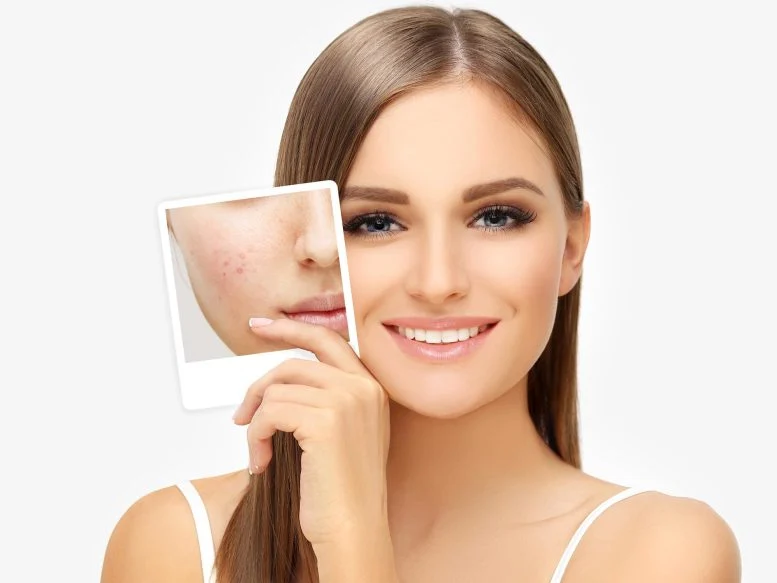
New Delhi, May 25: On World Thyroid Day, a new health concern is surfacing across urban India — teenagers are increasingly being diagnosed with thyroid disorders, often after visiting dermatologists for stubborn skin and hair problems. Persistent acne, sudden hair loss, and unusual skin pigmentation are now recognized as early warning signs prompting deeper investigation and, frequently, the discovery of underlying thyroid dysfunction.
“This wasn’t something we saw a decade ago,” says Dr. Gopal G, a senior dermatologist from Bengaluru. “Now, I see at least three to four teenage girls every week showing clear dermatological signs of hypothyroidism. They usually walk in for acne or thinning hair, but blood tests point to thyroid dysfunction.”
Skin as the First Clue
A recent analysis by Neuberg Diagnostics, covering Tamil Nadu and Kerala from June 2023 to April 2025, found that 1 in 4 teenagers had abnormal thyroid-stimulating hormone (TSH) levels, suggesting possible thyroid disorders. Girls are particularly at risk, with data showing they are 4.5 times more likely than boys to have thyroid dysfunction — a trend that is often overlooked as families attribute symptoms to stress or normal hormonal changes of adolescence.
“Thyroid issues are no longer limited to adults,” says Dr. Preeti Kabra, senior chief of lab at Neuberg Diagnostics. “With 1 in 4 teens already affected and young girls showing significantly higher risk, this silent disorder could have long-term consequences if ignored”.
The Overlooked Symptoms
Hypothyroidism, the most common thyroid disorder among teens, can manifest as dry skin, brittle nails, puffiness, fatigue, weight gain, and pigmentation changes. Hyperthyroidism, though less common, may cause excessive sweating, hives, weight loss, anxiety, and sleep disturbances. These symptoms are frequently mistaken for typical teenage issues, leading to delayed diagnosis.
“About 10–20% of skin disorder patients we investigate turn out to have underlying thyroid conditions,” says Dr. Girish MS from ESIC Hospital, Bengaluru. Dermatologists are increasingly requesting thyroid profiles when standard treatments for acne or hair loss fail to work.
Modern Lifestyles Under Scrutiny
Experts point to several modern lifestyle factors fueling the rise in thyroid disorders among teenagers:
-
Exposure to environmental toxins and endocrine-disrupting chemicals in food and personal care products
-
Increased consumption of processed and junk foods
-
Sedentary habits and poor sleep hygiene
-
Chronic stress, especially from academic pressures
“All these factors place a direct burden on the endocrine system,” explains endocrinologist Dr. Abhi Gundubarthi, stressing that early detection can prevent long-term complications.
The Debate on True Prevalence
Not all experts agree that thyroid dysfunctions are genuinely spiking. Dr. Divya Sharma, a Bengaluru-based dermatologist, cautions that false positives for high TSH are common, sometimes triggered by hair supplements or low Vitamin D levels. “These need to be interpreted by endocrinologists, not in isolation,” she notes. However, with rising obesity and PCOD cases among teens, an uptick in thyroid issues is expected.
When to Test
Doctors recommend thyroid testing for teens showing:
-
Sudden, unexplained hair loss
-
Dry skin or dark pigmentation around the neck or underarms
-
Delayed or early onset of menstruation
-
Persistent fatigue and weight gain
Routine screening for all teens is not advised, but awareness of these warning signs is crucial for early intervention.
Looking Ahead
India’s thyroid health landscape is changing, with dermatologists often leading the way in early detection. The growing visibility of thyroid disorders among teens highlights the need for holistic health awareness and collaboration among parents, educators, and healthcare providers to ensure timely diagnosis and lifestyle changes that support better endocrine health.
“Skin and hair changes are no longer cosmetic problems — they’re endocrine warnings,” says Dr. Aishwarya Radhakrishna, Senior Consultant at MS Clinical Research Institute.
Disclaimer: This article is for informational purposes only and does not constitute medical advice. If you or your child experience any of the symptoms described, consult a qualified healthcare professional for proper diagnosis and treatment.
Citations: