 0
0
 0
0
New Delhi: India is leveraging technological advancements and concerted government efforts to combat its significant cervical cancer burden, a disease responsible for a substantial number of preventable deaths among women nationwide. With India reportedly accounting for one in every five cervical cancer cases globally and 25% of related deaths often due to late diagnosis, innovative screening and treatment methods are offering renewed hope.
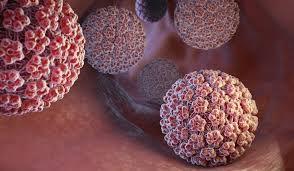
Traditionally, Pap smears have been the standard for cervical cancer screening. However, limitations such as subjectivity in interpretation and the need for significant laboratory infrastructure have posed challenges, particularly in resource-limited areas. Aligning with World Health Organization (WHO) recommendations, India is increasingly adopting Human Papillomavirus (HPV) DNA testing as the primary screening method. HPV testing directly detects the high-risk virus strains responsible for most cervical cancers, offering a more objective and sensitive approach. Recent government reviews of indigenously developed HPV test kits aim to make this advanced screening more affordable and accessible across the country.
Artificial Intelligence (AI) is emerging as a powerful ally in enhancing screening accuracy and efficiency. AI algorithms are being developed and deployed to analyze Pap smear images, colposcopy visuals, and HPV test results with greater precision, potentially reducing human error and speeding up diagnosis. Collaborations between tech companies and diagnostic providers are paving the way for AI-powered tools that can streamline laboratory workflows and assist healthcare professionals in identifying abnormalities earlier. AI is also seen as key to scaling up screening programs efficiently.
Beyond screening, advancements in treatment for precancerous lesions are improving outcomes and accessibility. Thermocoagulation, a heat-based treatment, is proving to be a highly effective, simple, and low-cost alternative to traditional methods like LEEP or cryotherapy, especially in settings with limited resources. Studies highlight its feasibility and high patient acceptability within “screen-and-treat” programs, where women can be screened (often using Visual Inspection with Acetic Acid – VIA) and treated in a single visit, overcoming barriers related to follow-up.
Further improving accessibility are innovations like self-sampling kits for HPV testing, allowing women to collect samples comfortably in private, potentially increasing participation rates, especially in remote areas.
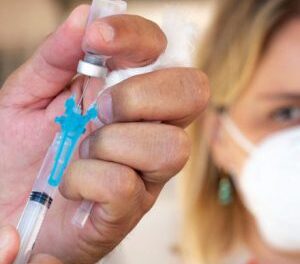
The Indian government has launched several initiatives to bolster the fight against cervical cancer. The National Programme for Prevention and Control of Cancer, Diabetes, Cardiovascular Diseases and Stroke (NPCDCS) includes screening for cervical cancer. The Ayushman Bharat scheme provides financial cover for treatment, while the indigenous HPV vaccine, CERVAVAC, is being rolled out in a phased manner targeting girls aged 9-14 years under the universal immunization program. These efforts align with the WHO’s global strategy aiming for 90% HPV vaccination coverage, 70% screening uptake, and 90% treatment access for cervical disease to eliminate cervical cancer as a public health problem. Projections suggest India could achieve this elimination goal around 2062 if these targets are met.
Despite progress, challenges persist, including raising awareness, ensuring equitable access to screening and treatment, strengthening healthcare infrastructure, training personnel, and overcoming cost barriers. Continued investment, public-private partnerships, and community engagement are crucial.
The combination of advanced diagnostic tools like HPV testing and AI, simpler treatment methods like thermocoagulation, and dedicated government programs marks a significant step forward. These developments hold the potential to drastically reduce the incidence and mortality of cervical cancer in India, saving countless lives.
Disclaimer: This news article is based on information sourced from Healthcare Radius and recent publicly available data and reports. It is intended for informational purposes only and does not constitute medical advice. Readers are advised to consult with qualified healthcare professionals for any health concerns or decisions.