 0
0
 0
0
Chennai, July 8, 2025 — Tamil Nadu has set a new benchmark in public health by significantly reducing tuberculosis (TB) mortality rates through its innovative differentiated care model, the Tamil Nadu Kasanoi Erappila Thittam (TN-KET), meaning “TB death-free project.” Launched in April 2022 across more than 2,500 public healthcare facilities, the initiative has already led to a dramatic decline in early TB deaths, positioning the state as a national leader in TB control.
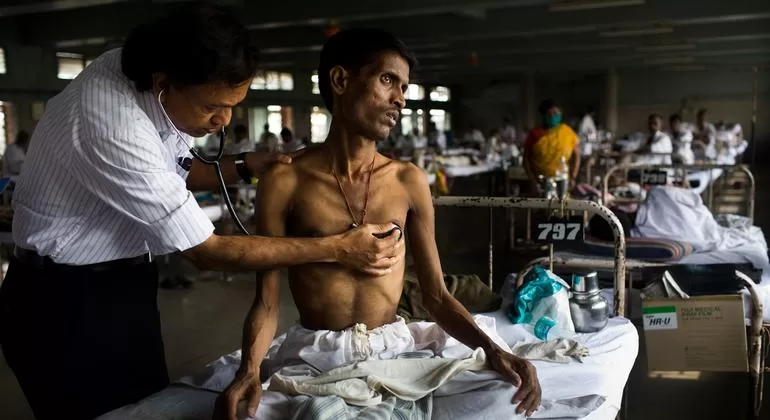
TN-KET, spearheaded by the Indian Council of Medical Research-National Institute of Epidemiology (ICMR-NIE) and supported by the World Health Organization (WHO) India, departs from traditional, one-size-fits-all TB management. Instead, it uses a rapid triage system at the point of diagnosis to identify patients at high risk of severe illness. The triage is based on three key indicators: very severe undernutrition, respiratory insufficiency, and poor physical condition (such as inability to stand without support).
Patients flagged as high-risk are promptly referred for comprehensive assessment and, if necessary, immediate admission to one of 150 nodal inpatient care facilities with nearly 900 dedicated TB beds across the state. This swift action is crucial, as nearly 70% of TB deaths in Tamil Nadu previously occurred within two months of diagnosis.
Remarkable Results in Reducing Deaths
Since the implementation of TN-KET, the number of early TB deaths (within two months of diagnosis) has dropped from over 600 in April 2022 to fewer than 350 by December 2022. Statewide, early TB deaths have been reduced by 20% within two quarters, and two-thirds of districts have reported a 20–30% reduction in TB mortality in 2024. The average time to death after diagnosis has doubled, indicating improved survival rates and more effective intervention.
Integration of Predictive Technology
In a further innovation, Tamil Nadu has become the first state in India to implement a predictive model for TB mortality risk, integrated into its TB SeWA (Severe TB Web Application) platform. This model uses five clinical variables—body mass index, pedal oedema, respiratory rate, oxygen saturation, and ability to stand without support—to estimate each patient’s risk of death at diagnosis. Severely ill patients are identified as having a 10–50% risk, while others have a 1–4% risk, enabling even more targeted care and faster hospital admissions.
Expert Endorsement and Future Directions
Dr. Hemant Deepak Shewade, senior scientist at ICMR-NIE, emphasized that at least 30–40% of TB deaths can be prevented with timely triaging and appropriate care for those with severe illness. The success of TN-KET has prompted calls for expanding the model and further strengthening inpatient care, especially for patients suffering from severe undernutrition.
“Using only three conditions meant that people with severe TB illness needing immediate care were identified and admitted to a healthcare facility on the same day of diagnosis even under programmatic conditions, thus vastly cutting down the delay and increasing the chances of saving lives,” said Dr. Shewade.
:
This article is based on information available as of July 8, 2025, and draws from multiple reputable sources. While every effort has been made to ensure accuracy, readers are advised to consult official health authorities or peer-reviewed publications for the most current guidance on TB care and policy developments.