 0
0
 0
0
The recent arrest of the owner of a Tamil Nadu-based pharmaceutical company linked to the deaths of dozens of children due to adulterated cough syrup is a major public health scandal in India. The cough syrup, marketed under the brand name Coldrif by Sresan Pharmaceuticals, was found to contain a toxic industrial solvent, diethylene glycol (DEG), leading to acute kidney failure and death in young children primarily in Madhya Pradesh and Rajasthan.
Key Incident Details
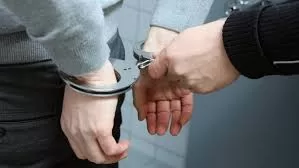
S. Ranganathan, the owner of Sresan Pharmaceuticals in Tamil Nadu, was arrested by police following investigations into the deaths of at least 23 children who consumed the Coldrif syrup. The syrup was found to contain dangerously high levels of diethylene glycol—about 48.6%, nearly 500 times the safe limit. DEG is an industrial chemical used in antifreeze and other non-consumable products and is lethal if ingested, particularly for children under five whose smaller body weight makes even tiny amounts fatal. These findings prompted immediate bans on Coldrif in several states and the permanent revocation of Sresan Pharmaceuticals’ manufacturing license by Tamil Nadu authorities.
Medical and Toxicological Implications
Diethylene glycol ingestion causes rapid kidney failure, severe metabolic disturbances, liver damage, and neurological symptoms including seizures. Children affected presented initially with nausea and abdominal pain, progressing rapidly to multi-organ failure and death. The World Health Organization has documented over 300 child deaths worldwide since 2022 due to DEG-contaminated cough syrups, underscoring the global significance of such toxicology issues.
Dr. Lancelot Pinto, consultant respirologist at P D Hinduja National Hospital, explained that replacing safe excipients like glycerol with cheaper but toxic agents like DEG is both illegal and pathogenic. He emphasized the dangers of uncontrolled substitutions in pharmaceutical manufacturing and the higher vulnerability of children with low body weight to these toxins. Dr. Pinto also clarified that the deaths resulted from adulteration rather than the active ingredients of the syrup itself, absolving prescribing doctors from fault in this tragic case.
Regulatory and Public Health Context
The case underlines serious gaps in India’s drug regulation and quality control systems. Two senior drug inspectors in Tamil Nadu were suspended for inaction after failing to inspect Sresan Pharmaceuticals’ manufacturing facility for two years before the scandal broke. Tamil Nadu was the first state to confirm the presence of DEG in Coldrif and informed central health authorities and affected states, enabling swift bans and recalls. However, critics argue that fragmented regulation and ineffective oversight of small pharmaceutical manufacturers and inexpensive syrups contribute to recurrent toxic drug incidents in India.
The Union Ministry of Health and Family Welfare convened a high-level meeting to address concerns over cough syrup quality and administration following the incident. States including Madhya Pradesh and Rajasthan reported multiple child deaths and ongoing investigations with significant seizures of tainted syrup and recalls.
Implications for Consumers and Healthcare Providers
This tragedy serves as a stark warning to consumers and healthcare providers about the risks of unregulated medicines. Parents and caregivers should remain vigilant about sourcing medications from trusted pharmacies and always confirm the legitimacy of pediatric medicines. Health professionals must avoid over-prescribing cough syrups in young children, as many respiratory infections improve without pharmacologic intervention, thus reducing exposure to potentially harmful products.
Limitations and Perspectives
While adulteration has been confirmed, further investigation is ongoing to identify systemic lapses across manufacturing, quality checks, and distribution channels. Authorities must also confront challenges in policing counterfeit and substandard pharmaceuticals that disproportionately impact vulnerable populations.
Conclusion
The death of dozens of children due to adulterated cough syrup underscores the urgent need for strengthened drug regulation, rigorous factory audits, and public awareness about medication safety. This incident is a tragic reminder that pharmaceuticals, while meant to heal, can cause irreversible harm if regulatory safeguards fail.
Medical Disclaimer: This article is for informational purposes only and should not be considered medical advice. Always consult with qualified healthcare professionals before making any health-related decisions or changes to your treatment plan. The information presented here is based on current research and expert opinions, which may evolve as new evidence emerges.
References:
- htts://www.ndtv.com/video/tamil-nadu-pharma-owner-arrested-after-ndtv-expose-on-cough-syrup-deaths-1006207
- https://timesofindia.indiatimes.com/city/chennai/toll-rises-to-23-in-mp-poisoned-cough-syrup-case-tn-pharma-owner-held/articleshow/124432798.cms