 0
0
 0
0
CHENNAI — Health officials in Tamil Nadu have issued a statewide alert following a significant uptick in Chikungunya infections across several districts. The Directorate of Public Health and Preventive Medicine (DPH) has mobilized district administrations to intensify mosquito-control efforts and clinical surveillance as seasonal conditions create a “perfect storm” for the virus to spread.
The surge, primarily concentrated in southern and coastal districts including Chennai, Villupuram, Tenkasi, and Cuddalore, has prompted the government to mandate early diagnostic testing and strict hospital protocols. With patients reporting debilitating joint pain and extreme fatigue, authorities are urging the public to take immediate preventive measures to disrupt the transmission cycle.
Understanding the Surge: The Current Situation
As of late January 2026, the DPH has identified eight high-risk districts: Chennai, Villupuram, Tenkasi, Theni, Cuddalore, Chengalpattu, Kancheepuram, and Ariyalur. While Chikungunya is endemic to the region, the current cluster of cases has triggered a heightened response due to the severity of symptoms reported by patients.
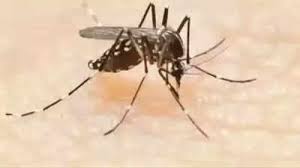
“Heightened vigilance is essential as seasonal conditions remain favorable for vector breeding,” stated a DPH representative in the advisory. The transition from monsoon rains to humid, stagnant conditions provides an ideal environment for Aedes aegypti and Aedes albopictus mosquitoes—the primary carriers of the virus—to thrive.
Clinical Presentation and Diagnosis
Physicians across the state are seeing a consistent pattern of symptoms. The “classic triad” of Chikungunya includes:
-
High-Grade Fever: Often appearing suddenly.
-
Severe Arthralgia (Joint Pain): Frequently affecting the hands, wrists, and ankles.
-
Myalgia and Fatigue: Intense muscle aches and drowsiness.
To ensure accuracy, the DPH has instructed field officials to prioritize IgM ELISA tests for laboratory confirmation. Unlike rapid kits, ELISA tests are the gold standard for detecting the body’s immune response to the virus, ensuring that Chikungunya is not misdiagnosed as Dengue or Zika, which present with similar early symptoms.
The Public Health Response: A Multi-Pronged Strategy
The Tamil Nadu government’s response is not limited to hospitals. It involves a “war room” approach involving inter-departmental coordination.
1. Strengthening the Healthcare Frontline
Specialized fever wards have been established in government hospitals and medical colleges. These units are mandated to be “mosquito-free” zones, utilizing insecticide-treated bed nets to prevent “hospital-based transmission”—where a mosquito bites an infected patient and then spreads the virus to others in the facility.
2. Vector Control and Source Reduction
District entomologists are leading “source reduction” drives. This involves the systematic elimination of stagnant water in artificial containers, such as discarded tires, flowerpots, and cooling units.
“The key to controlling Chikungunya is not just fogging, but finding where the larvae hide,” says Dr. Arathi Menon, an infectious disease specialist not involved in the government directive. “A single cap-full of water is enough for hundreds of eggs to hatch. This is why weekly mass-cleaning drives are the most effective tool we have.”
3. Mandatory Reporting
In a move to close the data gap, the DPH has made it mandatory for all private clinics and diagnostic labs to report cases immediately. Any delay in reporting could allow a localized cluster to turn into a full-scale outbreak.
Expert Perspective: Why This Matters Now
While Chikungunya is rarely fatal, its long-term impact on the workforce and quality of life is significant. Unlike many other viral fevers, Chikungunya is notorious for “chronic sequelae”—persistent joint pain that can last for months or even years.
“For a significant percentage of patients, the acute phase is just the beginning,” explains Dr. Rajesh Kumar, a senior consultant in Internal Medicine. “The inflammatory response can lead to prolonged disability, affecting a person’s ability to work and perform daily tasks. This ‘morbidity burden’ is why public health alerts like the one in Tamil Nadu are so critical.”
Statistical Context
According to the World Health Organization (WHO), Chikungunya has been identified in over 110 countries. In India, the National Center for Vector Borne Diseases Control (NCVBDC) has noted that while mortality rates are low ($<0.1\%$), the economic impact due to lost workdays is among the highest for tropical diseases.
Practical Guide for Residents: How to Protect Yourself
Public cooperation is the final, and perhaps most important, piece of the puzzle. Health officials have outlined a four-step protection plan for citizens:
-
The “Scrub and Dry” Method: Every Sunday, residents should empty and scrub all water storage vessels. Scrubbing is vital because mosquito eggs can cling to the sides of containers even when dry.
-
Personal Protection: Use mosquito repellents containing DEET, Picaridin, or Oil of Lemon Eucalyptus. Wear long-sleeved clothing, especially during early morning and late afternoon when Aedes mosquitoes are most active.
-
Solid Waste Management: Ensure that trash is disposed of in closed bins to prevent rain-water accumulation in plastic waste.
-
Seek Early Care: If you experience sudden fever and joint pain, do not self-medicate with over-the-counter painkillers like Ibuprofen or Aspirin until a doctor confirms the diagnosis, as these can complicate matters if the illness is actually Dengue.
Limitations and Looking Ahead
While the current measures are robust, challenges remain. The high density of urban populations in districts like Chennai makes “source reduction” a monumental task. Furthermore, there is currently no widely available vaccine for Chikungunya in India, meaning prevention rests entirely on vector control and personal protection.
The DPH will review compliance and action-taken reports daily. As the state monitors the situation, the focus remains on preventing the virus from reaching a “tipping point” where it moves from sporadic clusters to a generalized epidemic.
Medical Disclaimer: This article is for informational purposes only and should not be considered medical advice. Always consult with qualified healthcare professionals before making any health-related decisions or changes to your treatment plan. The information presented here is based on current research and expert opinions, which may evolve as new evidence emerges.
References
https://tennews.in/chikungunya-cases-rise-in-southern-tn-govt-issues-alert/