 0
0
 0
0
CHENNAI – The Tamil Nadu government has moved swiftly to address growing public concern following reports of avian influenza (H5N1) detections in wild birds and poultry across several Indian states. During a high-level emergency review held on Friday, February 13, Chief Secretary N. Muruganandham confirmed that while the state is on high alert, no human cases of bird flu have been reported in Tamil Nadu.
The meeting, which included senior officials from the Health, Family Welfare, and Animal Husbandry departments, focused on a “One Health” approach to prevent the virus from jumping from animals to humans. The briefing comes as a proactive measure to maintain public calm while ensuring robust surveillance at state borders and poultry hubs.
The Current Situation: Crows and Poultry Under Watch
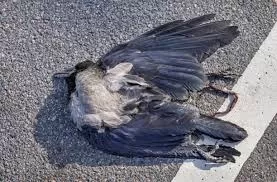
The surge in H5N1 activity began in early February 2026. Data indicates a concerning pattern among wild bird populations, specifically crows. In late January and early February, over 1,000 crows perished in the Chennai metropolitan area. Subsequent testing at the National Institute of High Security Animal Diseases (NIHSAD) in Bhopal confirmed the presence of the highly pathogenic H5N1 virus.
The situation is not isolated to Tamil Nadu. Regional alerts have been triggered by similar events:
-
Andhra Pradesh: Nearly 90 bird deaths were reported in Annamayya and Chittoor districts within a 48-hour window, leading to the culling of thousands of farm birds.
-
Bihar: Positive H5N1 tests were recorded in wild bird samples in Bhagalpur.
-
Kerala: The state reported 11 separate outbreaks in poultry farms throughout January, prompting Tamil Nadu to fortify checkposts in the Nilgiris and Coimbatore districts to prevent the movement of infected birds.
Government Strategy: Surveillance and Response
To mitigate the risk of a “spillover” event—where the virus infects humans—the state has implemented a multi-layered defense strategy.
1. Border and District Monitoring
Surveillance zones have been established extending 10 kilometers around any identified hotspots. “All districts must report bird mortality immediately and enforce strict biosecurity in both farms and wet markets,” stated State Health Secretary Supriya Sahu.
2. Clinical Vigilance
The Health Department has instructed all government hospitals to monitor cases of Severe Acute Respiratory Infections (SARI) and Influenza-Like Illnesses (ILI). Dr. T.S. Selvavinayagam, a prominent public health expert and former director, emphasized that data from these cases must be uploaded daily to surveillance platforms, particularly in districts bordering Kerala and Andhra Pradesh.
3. Public Resources
A 24-hour helpline (104) has been activated for citizens to report mass bird deaths or seek clarity on symptoms. Officials have urged the public not to handle dead birds and to notify the Animal Husbandry department immediately upon discovery.
Understanding H5N1: Transmission and Human Risk
Avian influenza, or “bird flu,” is caused by Type A influenza viruses. While these viruses naturally circulate among wild aquatic birds, highly pathogenic strains like H5N1 can devastate domestic poultry and, in rare instances, infect humans.
How does it spread to humans?
Transmission to humans typically occurs through:
-
Direct Contact: Touching infected birds (dead or alive).
-
Contaminated Environments: Contact with droppings, saliva, or mucus on surfaces.
-
Aerosolization: Breathing in dust or droplets containing the virus in crowded poultry environments.
“The risk to the general public remains low,” says Dr. Philip Cherian, a virologist specializing in infectious disease modeling. “The virus currently does not spread easily between humans. However, we monitor it closely because influenza viruses are notorious for mutating. Symptoms in humans can range from typical flu-like signs—fever, cough, and sore throat—to severe pneumonia.”
Expert Commentary: “Vigilance, Not Panic”
Tamil Nadu Health Minister Ma. Subramanian has been vocal about maintaining a balanced perspective. “There is no cause for panic. Our veterinary and public health teams are collaborating more closely than ever. We are prepared, but we need the public to be our eyes on the ground,” he stated during a press briefing.
Similarly, Andhra Pradesh’s Animal Husbandry Minister, Kinjarapu Atchannaidu, reassured consumers regarding food safety: “The virus is sensitive to heat. Eggs and chicken remain safe for consumption provided they are handled with hygiene and cooked thoroughly.”
Practical Advice for Consumers and Farmers
Public health authorities have issued clear guidelines to minimize individual risk:
| Stakeholder | Recommended Action |
| General Public | Avoid touching dead or sick birds. Report sightings to the 104 helpline. |
| Consumers | Cook poultry and eggs to an internal temperature of at least 74°C. Avoid raw or undercooked eggs. |
| Farmers | Implement strict biosecurity: restrict visitors, disinfect tools, and use bird netting to prevent contact with wild species. |
| Travelers | Avoid visiting live animal markets or poultry farms in areas with confirmed outbreaks. |
Limitations and the “One Health” Challenge
Despite the government’s proactive stance, challenges remain. Migratory birds, which are the primary vectors for H5N1, do not follow administrative borders, making total containment impossible. Furthermore, while the current clade (2.3.2.1a) has caused human fatalities in India in 2025, it has not yet shown the ability for sustained human-to-human transmission.
The primary limitation in the current response is the turnaround time for laboratory confirmation. Samples must be sent to specialized facilities like NIHSAD, which can cause a lag between a suspected outbreak and official confirmation. Until results are finalized, the state operates on a “presumptive positive” basis to ensure no time is lost in containment.
Looking Ahead
The integration of animal and human health monitoring—often called the One Health approach—is now the cornerstone of Tamil Nadu’s strategy. By treating the health of the environment, animals, and people as interconnected, officials hope to snuff out the virus before it can adapt to the human population.
Would you like me to generate a summary of the specific biosecurity protocols recommended for small-scale poultry farmers?
Medical Disclaimer: This article is for informational purposes only and should not be considered medical advice. Always consult with qualified healthcare professionals before making any health-related decisions or changes to your treatment plan. The information presented here is based on current research and expert opinions, which may evolve as new evidence emerges.
References
Journal & Study Citations: