 0
0
 0
0
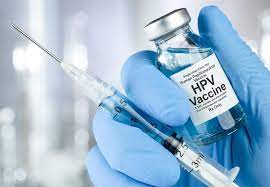
Chennai, June 21, 2025 — The Tamil Nadu government has announced its intent to introduce the human papillomavirus (HPV) vaccine for girls aged 14 as part of its efforts to combat cervical cancer, a leading cause of cancer-related deaths among women in India. The move comes amid ongoing national discussions about the integration of HPV vaccination into the country’s immunization program.
HPV is a common virus linked to cervical cancer, with only a few strains responsible for most cancer cases. The vaccine aims to protect young girls before they are exposed to the virus, ideally before the onset of sexual activity. India’s Serum Institute has developed an indigenously produced HPV vaccine, Cervavac, using recombinant DNA technology, which is expected to make the program more accessible.
The Tamil Nadu initiative follows recommendations by the National Technical Advisory Group on Immunization (NTAGI), which in June 2022 suggested a one-time catch-up vaccination for adolescent girls aged 9–14, followed by routine immunization at the age of nine. However, the central government has clarified that no final decision has been made regarding a nationwide rollout, and media reports of an imminent campaign have been dismissed as premature. Tamil Nadu, however, is proceeding with its own state-level preparations.
The state’s decision is seen as a proactive step toward reducing the burden of cervical cancer, which remains a significant public health challenge. The HPV vaccine has been shown to be highly effective in preventing infections that can lead to cervical cancer, and early vaccination is considered a key strategy for long-term protection.
Background and Controversies
HPV vaccination campaigns in India have not been without controversy. In 2009–2010, demonstration projects in Andhra Pradesh and Gujarat, conducted with support from international organizations, faced public backlash after reports of adverse events and deaths among vaccinated girls. Investigations found gaps in informed consent, lack of awareness among participants, and insufficient health infrastructure for monitoring and follow-up. The projects were eventually suspended, and subsequent government committees were formed to investigate and address the concerns raised.
Despite these challenges, public health experts emphasize the importance of HPV vaccination as a safe and effective cancer prevention tool. Misinformation and lack of awareness remain significant barriers to vaccine acceptance, but ongoing efforts aim to address these issues through better communication and community engagement.
Disclaimer
This article is based on available information from credible news sources and official statements. While efforts have been made to ensure accuracy, readers are advised to consult official government or health department notifications for the latest updates on the HPV vaccination program. The views expressed in this article do not constitute medical advice, and individuals are encouraged to consult healthcare professionals for personalized recommendations.