 0
0
 0
0
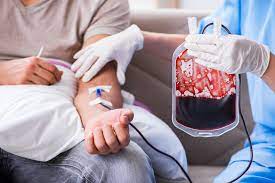
SATNA/BHOPAL — A major public health crisis has emerged in Madhya Pradesh’s Satna district after six children, all suffering from thalassaemia, tested positive for HIV following blood transfusions at the Sardar Vallabhbhai Patel Government Hospital. The incident, which has sparked nationwide outrage and triggered high-level investigations, points toward a catastrophic failure in blood screening protocols and administrative oversight.
On Thursday, the Madhya Pradesh government took decisive action by suspending the blood bank in-charge, Dr. Devendra Patel, and two laboratory technicians, Ram Bhai Tripathi and Nandlal Pandey. The move follows a preliminary report from a seven-member state inquiry committee that identified serious procedural lapses at the facility. Additionally, a show-cause notice was served to Dr. Manoj Shukla, the former civil surgeon and current Chief Medical and Health Officer (CMHO) of Satna, demanding a written explanation for the oversight.
The Scale of the Crisis
The affected group includes five boys under the age of 11 and a nine-year-old girl. All six children suffer from thalassaemia, a genetic blood disorder that necessitates frequent, life-saving blood transfusions—sometimes multiple times a month.
According to health department records, the infections were detected during routine screenings conducted between January and May 2025. However, the gravity of the situation only reached the public and senior state officials on December 16, raising sharp questions about why the findings were not escalated sooner.
“Multiple investigation teams have arrived, and each is conducting inquiries according to its specific mandate,” Dr. Manoj Shukla stated on Saturday. “As of now, nothing conclusive has come to light. The investigation will take time as this is a lengthy and complex matter.”
Investigation and Challenges
The investigation is multi-pronged, involving the Central Drugs Standard Control Organisation (CDSCO), the National AIDS Control Organisation (NACO), and state-level committees. Investigators are currently reviewing donor records and screening logs to identify the source of the contaminated blood.
A significant hurdle remains the “window period”—the timeframe shortly after infection during which HIV is present in a donor’s blood but remains undetectable by standard screening tests. While Dr. Shukla maintained that all NACO-mandated protocols were followed, he acknowledged the inherent risk. “A chance remains that if a person is in the window period, it is not detected. We are calling donors for testing, but many of these children have received over 125 transfusions, making it a daunting task to trace every individual.”
Beyond the “window period” theory, authorities are also investigating a potential illegal blood trade. On Thursday, police arrested three individuals—Ranjeet Sahu, Mohammad Kaif, and Anil Gupta—for allegedly selling blood units outside the hospital premises for ₹4,500 each. Investigators are now determining if any hospital staff were complicit in this racket, which may have bypassed official screening channels.
Expert Commentary and Public Health Implications
Independent medical experts emphasize that while the window period is a known risk, modern screening technologies can significantly mitigate it.
“In a high-risk setting where thalassaemia patients receive chronic transfusions, the reliance on basic rapid tests is often insufficient,” says a senior hematologist not involved in the case. “Moving toward Nucleic Acid Testing (NAT), which can detect viral DNA/RNA much earlier than antibody tests, is essential for specialized blood banks. This incident highlights a systemic need for infrastructure upgrades in rural and district-level hospitals.”
The National Human Rights Commission (NHRC) has taken suo motu cognizance of the case, demanding a detailed report from the state government. Public Health Commissioner Tarun Rathi has since ordered an immediate audit of all blood centers across Madhya Pradesh, directing that facilities failing to meet staff and equipment standards be closed within five days.
Treatment and Support for Families
The children are currently receiving treatment under standard antiretroviral therapy (ART) protocols. Health officials have confirmed that while one child’s parents were already HIV-positive, the other five families had no prior history of the virus, further pointing toward the transfusions as the likely transmission route.
The state government has pledged to provide full medical and counseling support to the families, though for many, the damage is already done. “Our children were already fighting one life-threatening battle with thalassaemia,” one parent shared. “Now they have been handed a second one through the very system meant to keep them alive.”
Looking Forward
As the final investigation report is awaited, the Satna case serves as a grim reminder of the vulnerabilities in the public healthcare supply chain. The outcome of the probe will likely dictate new, more stringent mandates for blood donation centers nationwide, focusing on voluntary donation over replacement donation and the mandatory implementation of advanced screening technologies.
Medical Disclaimer: This article is for informational purposes only and should not be considered medical advice. Always consult with qualified healthcare professionals before making any health-related decisions or changes to your treatment plan. The information presented here is based on current research and expert opinions, which may evolve as new evidence emerges.
References
Official Sources:
-
Madhya Pradesh Public Health and Family Welfare Department: Official statements regarding suspensions and show-cause notices (Dec 19, 2025).
-
Dr. Manoj Shukla: Chief Medical and Health Officer (CMHO), Satna. Official statements to media on Dec 20, 2025.