 0
0
 0
0
The landscape of contraception for women has remained largely unchanged over the past 50 years, with many continuing to rely on traditional methods such as the combined oral contraceptive pill, hormonal or copper intrauterine devices (IUDs), injectable contraceptives, implants, and vaginal rings. However, recent insights reveal significant concerns about the effects of synthetic hormones used in these contraceptives, alongside emerging innovations that could reshape the future of birth control.
Understanding Synthetic Hormones in Contraception
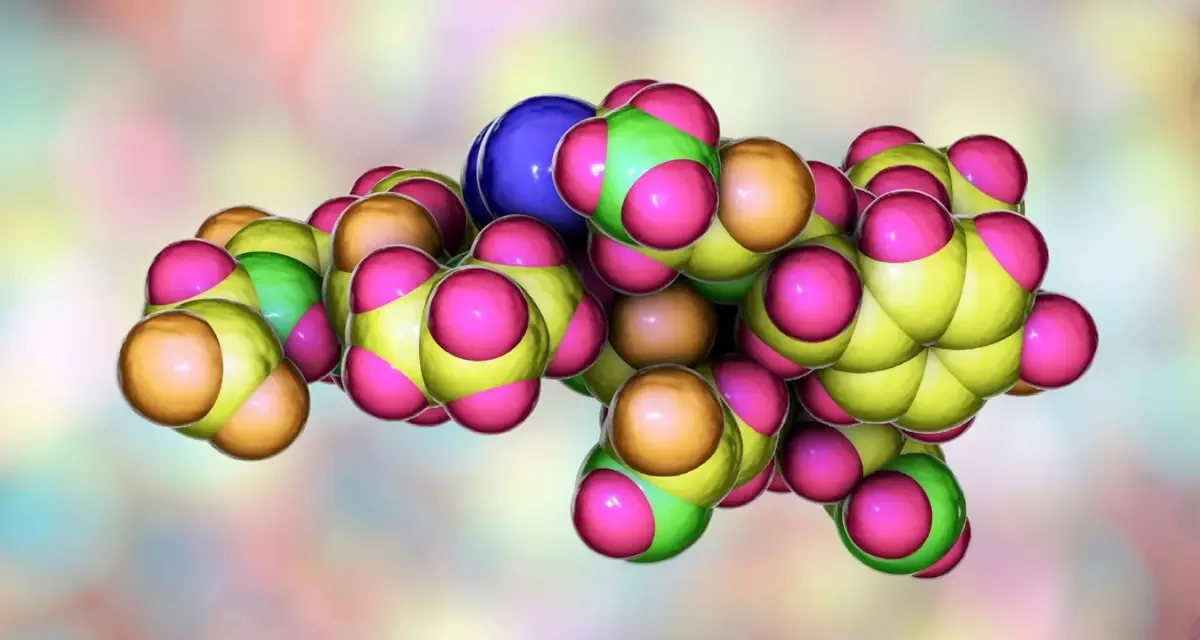
Most contraceptive pills contain synthetic hormones designed to mimic the body’s natural hormones, primarily estrogen and testosterone derivatives. For example, levonorgestrel acts similarly to testosterone and may cause side effects like acne, while estrogen-based pills such as Yasmin tend to promote clearer skin but carry a higher risk of blood clots.
Synthetic hormones work by thickening cervical mucus to block sperm and, in combination pills, by preventing ovulation. These hormones are also present in implants and hormonal IUDs. In contrast, copper IUDs use copper’s toxic effect on sperm but may increase menstrual bleeding.
The Challenges and Side Effects of Synthetic Hormones
Despite their effectiveness, synthetic hormones do not always interact with the body in the same way as natural hormones. Natural progesterone has calming effects and promotes sleep, but its synthetic counterpart, progestin, may bind to unintended receptors, disrupting hormonal balance. Similarly, synthetic estrogen may not properly target receptors linked to serotonin production, potentially leading to mood disturbances similar to those experienced during menopause.
A Channel 4 documentary, Pill Revolution, surveyed 4,000 UK women and found that 64% started using the pill during adolescence, a critical period for brain development. Alarmingly, 77% of respondents reported side effects including weight gain, headaches, mood changes, and reduced libido. Supporting this, a 2016 Danish study involving over one million women found that those using synthetic progestin pills were 34% more likely to be prescribed antidepressants within a year, with hormonal IUD users showing a 40% increase.
Historical and Research Barriers
Research into contraceptive side effects has been complicated by ethical issues and methodological challenges. Past trials, such as those in the 1950s involving asylum inmates, lacked informed consent and resulted in serious harm. Today, randomized controlled trials are difficult because volunteers seeking contraception want guaranteed pregnancy prevention, making placebo-controlled studies problematic. As a result, much of the understanding relies on personal surveys, which can leave women feeling like subjects in ongoing experiments.
Innovations on the Horizon
New contraceptive technologies are emerging. Apps that track basal body temperature to predict ovulation offer a hormone-free alternative, though their effectiveness is about 93% and can be influenced by factors like illness or alcohol. Importantly, male contraception research is gaining momentum, with trials such as the NES/T shoulder gel, which combines progestin and natural testosterone to reduce sperm count, and Plan A’s temporary vasectomy gel. Experimental drugs like YCT529 target sperm function directly.
The Road Ahead
Contraception remains a critical yet under-researched area of healthcare. With decades of minimal change, there is a pressing need for more comprehensive studies on how birth control affects physical and mental health. The future of contraception may lie in more personalized, safer options for all genders, reducing the burden currently placed predominantly on women.
Disclaimer
This article is based on information available as of April 2025 and aims to provide an overview of current knowledge and research on synthetic hormones and contraception. It is not a substitute for professional medical advice. Individuals should consult healthcare providers to discuss contraceptive options and potential side effects tailored to their personal health needs.
Citations: