 0
0
 0
0
A confirmed case of measles has prompted an urgent alert across Sydney’s Northern Beaches, after authorities identified multiple public venues in Dee Why and Manly as possible exposure locations during late September 2025. Health experts warn that measles, a highly infectious viral disease, can be prevented—but only if vaccination coverage remains high.
On Thursday, October 2, 2025, NSW Health officially announced the measles alert aimed at residents and visitors to Sydney’s Northern Beaches. The alert followed discovery of an infectious individual—closely linked to a recently reported measles case in Northern Sydney—who visited several establishments from September 25 to 27, 2025. Locals who frequented the identified venues during those dates are urged to monitor for symptoms and immediately contact health services if signs appear.
Key Findings and Developments
Health authorities pinpointed five locations—four in Dee Why and one in Manly—where the infected person spent time while contagious. Although there is no ongoing risk at these places, those exposed are advised to watch for symptoms until mid-October:
-
Dee Why Discount Vitamins, Twist Espresso & Wine, Chemist Warehouse Dee Why, Woolworths Dee Why (September 25)
-
Mex & Co Manly (September 27)
Australia has seen a significant spike in measles cases, with 130 confirmed across the country in 2025—more than the previous five years combined. Of those, 64 were reported in adults aged 20–34, and 17 in children aged 0–4, signaling the disease’s wide reach beyond typically at-risk groups.
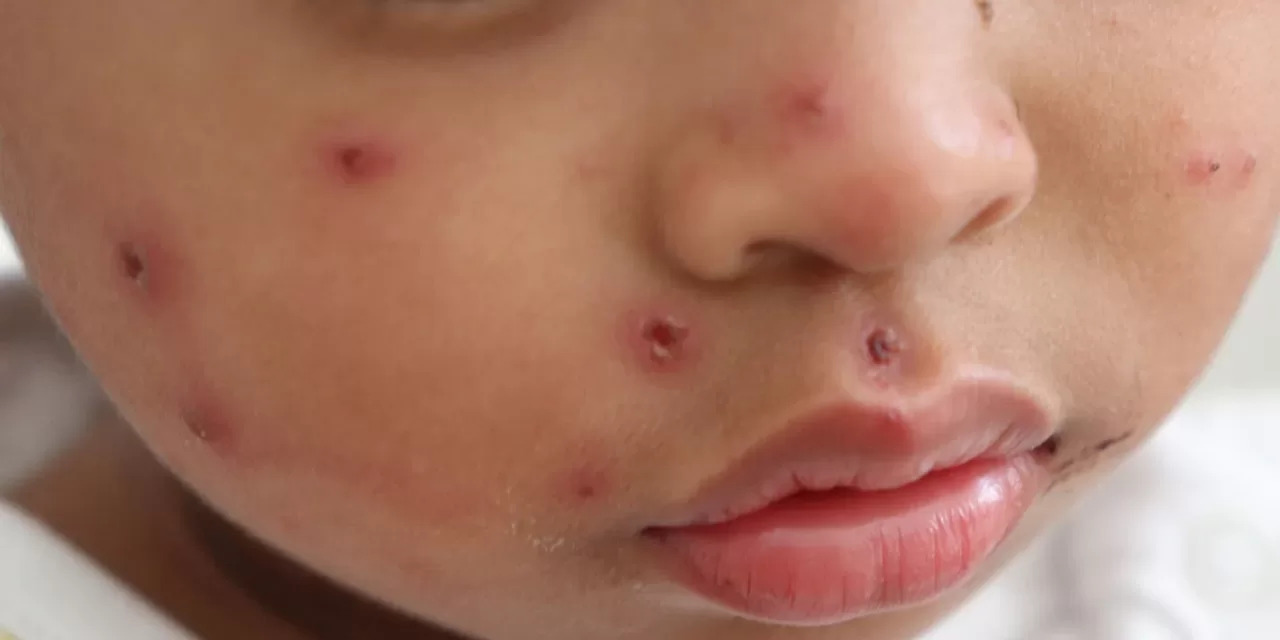
Symptoms to watch for include fever, sore eyes, and cough, followed a few days later by a red, blotchy rash starting on the face and neck and spreading throughout the body. Notably, these symptoms can take up to 18 days to appear after exposure, highlighting the importance of extended vigilance.
Expert Perspectives
Dr Michael Staff, Director of Public Health for the Northern Sydney Local Health District, emphasized the urgency of vaccination: “This alert should be a reminder for everyone to check that they are vaccinated against measles. Anyone born in 1966 or after needs to ensure they have had two doses of measles vaccine. This is especially important before overseas travel, as outbreaks are occurring worldwide”.
Professor Margie Danchin, vaccine expert at the Murdoch Children’s Research Institute, offered further context: “Childhood vaccination coverage rates…have been dropping steadily since the start of the pandemic. We’re down to under 91% of our two-year-olds in Australia are now fully immunised, and we need to be at 95% for herd immunity to protect everyone. This is getting increasingly concerning”.
Associate Professor Anita Heywood, infectious disease epidemiologist at UNSW, flagged international travel as a major contributing factor: “Whenever there’s been big outbreaks worldwide in high air traffic areas, Australia sees more cases come in. Travel vaccination, particularly for measles, is essential”.
Context and Background
Measles was declared eliminated in Australia by the World Health Organization in 2014, yet ongoing cases persist through international importation—often from travelers returning from endemic areas. Recent years have seen fluctuating case numbers: 57 in 2024, 26 in 2023, and zero in pandemic-affected 2021. With the lifting of pandemic travel restrictions and declining vaccination rates, 2025 has already witnessed a return to pre-pandemic levels.
Given measles’ extreme infectivity—one case can lead to 18 secondary cases in unvaccinated populations—it represents a profound risk in communities where immunization coverage falls below recommended levels. Herd immunity relies on maintaining a vaccination rate above 95%.
Implications for Public Health
The current alert is a clear signal for individuals and families to review their immunization status. The measles-mumps-rubella (MMR) vaccine is highly effective, offering 99% protection when both recommended doses are received. NSW provides the vaccine free for children at 12 and 18 months, and for any resident born in 1966 or later who has not received two documented doses.
Medical professionals urge immediate isolation and notification of any suspected measles cases to avoid secondary spread in healthcare settings. Pharmacists and GPs are equipped to administer the vaccine, while parents of infants traveling to high-risk areas can access early immunization after consulting their healthcare provider.
For suspected cases, direct phone consultations with clinics or emergency departments are strongly advised—to avoid infecting others in waiting rooms.
Limitations and Counterarguments
Some experts caution that while Australia’s endemic measles-free status is not immediately at risk, ongoing outbreaks in under-vaccinated regions and the potential for rubella co-infection remain serious concerns. Geographic disparities in coverage—in parts of New South Wales, Melbourne, and among Indigenous children in the Northern Territory—create pockets where outbreaks can take hold.
Additionally, while increased awareness and vaccination efforts are effective, they may not fully compensate for gaps created during pandemic disruptions or among populations hesitant to vaccinate. Evidence shows that most outbreaks are still contained, yet the risk remains for rapid expansion in vulnerable areas.
Practical Implications for Daily Health Decisions
For individuals:
-
Check immunization record; get vaccinated if uncertain.
-
Monitor for fever, cough, sore eyes, and rash if exposed.
-
Immediately contact healthcare providers if symptoms occur—do not attend clinics unannounced.
-
Parents traveling overseas with infants should consult GPs about early immunization.
For communities and policymakers:
-
Support local vaccination campaigns to restore herd immunity.
-
Encourage healthcare professionals to remain vigilant and review patient immunization status.
For travelers:
-
Prioritize measles immunization before international trips, especially to countries experiencing outbreaks.
Medical Disclaimer
Medical Disclaimer: This article is for informational purposes only and should not be considered medical advice. Always consult with qualified healthcare professionals before making any health-related decisions or changes to your treatment plan. The information presented here is based on current research and expert opinions, which may evolve as new evidence emerges.
References
- https://www.northernbeachesadvocate.com.au/2025/10/02/northern-beaches-measles-alert/
- https://www1.racgp.org.au/newsgp/clinical/is-measles-making-a-comeback-in-australia