 0
0
 0
0
Australian scientists announced on Friday, October 24, 2025, that they have detected symptoms in elephant seals consistent with the destructive H5 bird flu strain on Heard Island, South of the Australian mainland. The suspected outbreak comes during a research mission and, if confirmed, would mark the first known presence of H5 bird flu in Australian territory. This development has triggered alarm among health authorities and wildlife experts, who are gathering samples for lab validation while emphasizing that Australia remains the only continent untouched by H5 avian influenza to date.
Key Findings and Developments
-
Researchers aboard the icebreaker RSV Nuyina noticed a spike in elephant seal mortality and symptoms matching H5 bird flu, which has previously devastated wildlife in other sub-Antarctic islands like Kerguelen and Crozet.
-
Federal departments of agriculture and environment released statements underscoring the need for vigilance and enhanced biosecurity, although confirmation awaits laboratory testing in mid-November.
-
Australia has invested more than $100 million to strengthen avian influenza preparedness and response, including specific contingency plans for outbreaks among wild, farmed, and marine animals.
Expert Perspectives
Dr. Michelle Wille, global bird flu expert at the World Organization for Animal Health, explained: “This H5 virus is especially concerning because it can infect multiple species—wild birds, marine mammals, and even livestock. Conventional controls are often less effective due to its ability to circulate widely”.
Dr. Brian Ahmed, Victorian Farmers’ Federation egg group president, added: “The risk to Australian agriculture is substantial, especially for free-range egg producers. If the virus takes hold, it could lead to widespread shortages and price hikes as we observed during previous influenza outbreaks”.
While not involved in the current research, Dr. Jane Sprague, a virologist at the University of Sydney, advises caution: “The detected deaths are troubling. However, rigorous sample analysis is absolutely necessary before we label this an H5 outbreak. Overreacting before confirmation could have economic and social repercussions”.
Scientific and Epidemiological Context
-
H5N1 bird flu first appeared in China in 1996 and has become highly transmissible and deadly for birds, mammals, and—rarely—humans.
-
Globally, H5N1 outbreaks have caused millions of deaths among poultry and wild birds, as well as fatalities among seals, fur seals, and other animals.
-
Australia benefits from its geographic isolation; it has remained free of H5 until now, in part because major migratory bird routes bypass the continent.
-
The virus reached nearby French territories in late 2024 and early 2025, raising concerns about its ability to jump across oceanic barriers.
Implications for Public Health and Agriculture
-
If confirmed, the detection of H5 bird flu could have significant impacts on Australia’s national biosecurity, wildlife management, and agricultural sectors.
-
Avian influenza outbreaks typically result in culling to prevent further spread, impacting food supply chains, mental health of affected farmers, and wildlife populations.
-
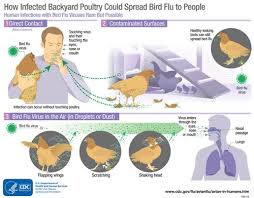
Human transmission is rare, but the World Health Organization (WHO) reports dozens of cases since last year, mostly among workers in poultry and dairy environments. H5N1 does not easily spread person-to-person but can cause severe illness in humans and animals.
-
The Australian government urges people not to touch sick or dead wildlife and to report any suspicious animal deaths to authorities.
Limitations and Counterarguments
-
As of publication, the detection of H5 bird flu on Heard Island remains unconfirmed; only laboratory analysis of collected samples will provide a definitive answer.
-
Some experts caution against undue alarm, noting that similar symptoms could be caused by other pathogens or environmental factors.
-
No unusual deaths have yet been reported among other wildlife species such as penguins or seabirds, and risks to the Australian mainland are currently estimated to be low due to geographic and ecological barriers.
Practical Advice for Readers
-
Avoid direct contact with wild birds or marine mammals that appear sick or dead and promptly report such encounters.
-
Stay informed through reputable sources such as the Department of Agriculture, Fisheries and Forestry, and the Australian Antarctic Program.
-
Understand that bird flu does not generally pose a risk from consuming properly cooked poultry or eggs, as the virus is destroyed during cooking.
Balanced Reporting
Australia’s proactive leadership includes a national wildlife preparedness taskforce, close monitoring of migratory routes, and public awareness campaigns. Nonetheless, experts remind the public to avoid sensationalism, focus on scientific evidence, and recognize the evolving nature of wildlife diseases.
Medical Disclaimer
“Medical Disclaimer: This article is for informational purposes only and should not be considered medical advice. Always consult with qualified healthcare professionals before making any health-related decisions or changes to your treatment plan. The information presented here is based on current research and expert opinions, which may evolve as new evidence emerges.”
References
- https://www.abc.net.au/news/2025-10-24/bird-flu-suspected-remote-sub-antarctic-heard-island-nuyina/105928676
- https://www.reuters.com/business/environment/australia-says-h5-bird-flu-suspected-sub-antarctic-island-2025-10-23/