 0
0
 0
0
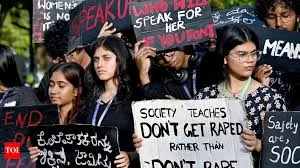
In Kozhikode, Kerala, on September 18-19, 2025, the survivor of a widely publicized sexual assault case in the Intensive Care Unit (ICU) of Kozhikode Medical College was detained while protesting the reinstatement of hospital staff accused of threatening her to withdraw her complaint. Despite an inquiry report confirming misconduct, five suspended healthcare workers have been reinstated under a court order, sparking outrage and renewed demands for justice and victim protection.
Key Developments:
The sexual assault case first emerged in March 2023 when a young woman recovering in the ICU following thyroid surgery was reportedly assaulted by a male hospital staff member, M.M. Saseendran. Following the incident, several female hospital employees allegedly pressured and threatened the survivor to retract her complaint and accept monetary compensation to settle the matter quietly. This harassment drew departmental action, resulting in suspensions and transfers of the accused and accomplices.
However, in a controversial move, the suspended staff — including Grade I Assistants Asiya and Shiny, Grade II Attenders Shaima and Shanuja, and Nursing Assistant Praseetha — were reinstated in the Kozhikode Medical College hospitals based on a court directive, despite no apparent vacancies and an inquiry citing their misconduct. The survivor strongly objected to this decision, staging protests outside the principal’s office, leading to her detention by police during the demonstration.
Expert Commentary:
Dr. Anjali Menon, a clinical psychologist specializing in trauma care, commented, “The reinstatement of individuals implicated in intimidation of a sexual assault survivor causes significant psychological harm and undermines trust in institutional justice systems. It is critical that survivor safety and dignity are prioritized above administrative convenience.”
Prof. Rajeev Krishnan, a public health law expert, added, “This case highlights systemic gaps in workplace protections for victims within healthcare settings. Court orders must be balanced against ethical imperatives to protect vulnerable complainants, or risk perpetuating injustice.”
Background and Context:
Sexual abuse in healthcare settings is a grave violation compounded by power imbalances and survivors’ vulnerability during medical treatments. Kerala has seen efforts to address such grievances promptly by suspending accused personnel pending inquiries. The Kozhikode ICU case raised particular alarm due to both the assault and subsequent workplace intimidation aimed at silencing the survivor.
The decisions to reinstate the suspended staff as per court rulings underscore tensions between legal mandates and survivor-centered policies. The survivor and supporters have alleged governmental interference protecting accused employees, further complicating the situation.
Public Health Implications:
Protecting survivors of sexual violence within healthcare institutions is paramount to maintaining a safe environment and encouraging victims to report abuses. The erosion of trust in complaint mechanisms discourages reporting and jeopardizes patient care standards. This incident calls for clear protocols that ensure impartial investigations, survivor support, and accountability without retaliation.
Counterpoints and Limitations:
While the court order mandated staff reinstatement citing procedural grounds, critics argue the absence of vacancies and the inquiry findings should have precluded such actions. The hospital administration claims compliance with legal orders, but activists demand reevaluation to safeguard survivor rights above administrative rulings.
What This Means for Readers:
For patients and healthcare workers alike, this case stresses the importance of knowing one’s rights regarding safety and reporting misconduct. Healthcare institutions must foster transparent and victim-sensitive policies. Readers should be aware of the signs of institutional intimidation and avenues for seeking help, including medical boards and legal counsel.
Medical Disclaimer:
Medical Disclaimer: This article is for informational purposes only and should not be considered medical advice. Always consult with qualified healthcare professionals before making any health-related decisions or changes to your treatment plan. The information presented here is based on current research and expert opinions, which may evolve as new evidence emerges.
References: