 0
0
 0
0
Panaji, April 28, 2025: A recent survey conducted in Goa’s vulnerable communities has uncovered a troubling lack of awareness about rabies and dog bite prevention, even as stray dog attacks rise across the state. The study, carried out by 62 students from the Goa Institute of Management (GIM) in collaboration with Mission Rabies, highlights critical knowledge gaps among slum dwellers, daily wage workers, and other high-risk groups.
Alarming Findings Before Intervention
The survey covered 166 individuals across four slum areas-Mapusa, Panaji, Vasco da Gama, and Baina Beach. Before any educational intervention, over 53% of respondents were unaware of how rabies spreads. Many could not identify symptoms of rabies in dogs, and unsafe responses to dog bites-such as running away or throwing objects-were common.
“The respondents were unsure how to identify or respond to rabid dogs,” the report states. This ignorance poses a significant public health risk, especially in communities with frequent stray dog encounters.
Impact of the Awareness Campaign
As part of their Service Learning and Rural Immersion (SLRI) programme, GIM students assisted Mission Rabies education officers in conducting structured pre- and post-intervention surveys and awareness sessions. After the training, the results were striking:
-
94.6% of participants could correctly identify how rabies transmits, including through bites, scratches, and licks on open wounds.
-
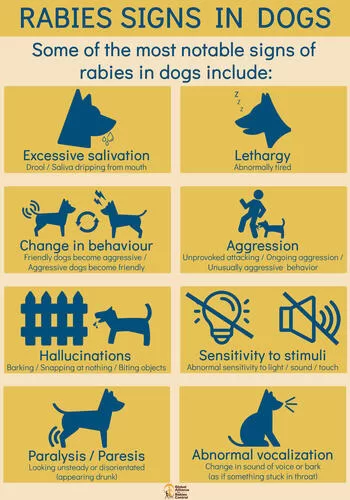
Participants learned to recognize key rabies symptoms in dogs, such as excessive drooling, extreme aggression, and unsteady movement.
-
Safer behaviors were adopted, including standing still when approached by a dog, immediate washing of wounds with soap and water, and seeking prompt medical attention.
-
Awareness of the importance of reporting suspected rabies cases to local authorities or Mission Rabies increased significantly.
A Crucial Shift for Public Health
The report emphasizes that this shift in knowledge and behavior is “crucial” because early identification and proper response to rabies exposure can save lives. With better awareness, communities are empowered to act quickly, reducing misinformation and preventing infections.
“By continuing to spread awareness, we can protect both humans and animals from the deadly consequences of rabies,” the report concludes.
Moving Forward
The success of this campaign underscores the importance of sustained education efforts in high-risk areas. As Goa grapples with stray dog populations and the threat of rabies, community engagement and informed responses remain key to safeguarding public health.
Disclaimer: This article is based on a survey and report conducted by the Goa Institute of Management students and Mission Rabies as published in the Times of India. The information reflects the findings and interpretations of the involved organizations and may not represent the full scope of rabies awareness in Goa. Readers are advised to consult local health authorities for comprehensive guidance on rabies prevention and treatment.
Citations: