 0
0
 0
0
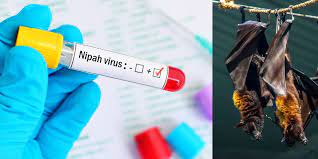
KOLKATA — In a proactive move to map the reach of one of the world’s most lethal zoonotic pathogens, elite medical research teams have descended upon Kolkata’s Alipore Zoological Garden. Scientists from the National Institute of Medical Research (NIMR) began conducting specialized testing on the zoo’s resident bat population this week, seeking to determine if these nocturnal mammals are silent carriers of the Nipah virus (NiV).
The operation, which took place in the quiet hours before dawn on Thursday and Friday, involved the collection of blood and oral swab samples. The urgency follows the startling detection of two confirmed Nipah cases earlier this month in West Bengal—both involving nurses currently being treated at a private facility after initial diagnosis at AIIMS Kalyani.
The Midnight Mission: Why the Zoo?
While zoos are typically seen as sanctuaries for conservation, they also serve as vital “sentinel sites” for public health. The Alipore Zoological Garden holds the largest concentrated population of bats within Kolkata’s urban limits.
“To allay public fears and establish a clear epidemiological map, we must test where the wildlife is,” stated a source involved in the coordination. The team, working in collaboration with the National Institute of Virology (NIV) and the Indian Council of Medical Research (ICMR), utilized RT-PCR (Reverse Transcription Polymerase Chain Reaction) technology—the same high-precision gold standard used during the COVID-19 pandemic—to detect viral genetic material in the samples.
Sandeep Sundriyal, Principal Chief Conservator of Forests and Chief Wildlife Warden, confirmed that the health department sought and received expedited permission to conduct the sampling. To ensure visitor safety and minimize stress to the animals, the expert team concluded their work and vacated the premises well before the zoo’s 9:00 AM opening.
Understanding the Nipah Threat
Nipah virus is a zoonotic virus, meaning it spreads from animals to humans. The natural hosts of the virus are fruit bats (specifically those of the Pteropus genus). In humans, the infection can be devastating, causing a range of illnesses from asymptomatic infection to acute respiratory illness and fatal encephalitis (swelling of the brain).
According to the World Health Organization (WHO), the case fatality rate for Nipah is estimated at 40% to 75%, making it significantly more lethal than most seasonal flus.
“Nipah is a high-priority pathogen because of its epidemic potential,” says Dr. Arindam Biswas, a prominent internal medicine specialist in Kolkata, who is not involved in the NIMR study. “While it does not spread as easily as a respiratory virus like SARS-CoV-2, the severity of the disease necessitates these aggressive ‘catch-and-test’ surveillance programs.”
Mapping the Footprint
The surveillance is not limited to Kolkata. Teams have already moved into North 24 Parganas, testing bats in Madhyamgram, Barasat, and Basirhat. On Saturday, the research team transitioned to the Nadia district to continue their sweep.
The goal is to identify “hotspots” where the virus might be circulating in the wildlife. By understanding which bat colonies carry the virus, health officials can issue targeted advisories to local communities, particularly regarding the consumption of raw date palm sap—a common transmission route where bat saliva or excreta can contaminate the juice.
Public Health Implications: Should You Worry?
For the average resident of Kolkata or visitor to the Alipore Zoo, experts say there is no immediate cause for panic. The testing is a preventive measure designed to inform the government’s long-term strategy rather than a response to an active outbreak within the zoo itself.
However, the infection of two healthcare workers at AIIMS Kalyani highlights the risk of human-to-human transmission, which typically occurs in hospital settings through close contact with infected secretions.
Key Preventive Measures Recommended by Health Authorities:
-
Avoid Raw Sap: Do not consume raw date palm sap, as it is a primary vector for the virus in the Bengal region.
-
Wash Fruit: Thoroughly wash and peel fruits, especially those that appear to have bite marks from birds or bats.
-
Hand Hygiene: Regular handwashing remains the most effective defense against many zoonotic and respiratory illnesses.
Limitations of Current Testing
While RT-PCR is highly accurate, a negative result today does not mean the bats will always be virus-free. Viral shedding in bats is often “episodic,” meaning they may only carry and spread the virus during periods of stress or specific breeding seasons.
“A single round of testing provides a snapshot in time,” notes Dr. Biswas. “Consistent, long-term environmental surveillance is the only way to truly stay ahead of the curve.”
The results from the Alipore Zoo samples are expected within the coming days. Until then, the state health department remains on high alert, emphasizing that early detection and isolation are the keys to preventing a wider outbreak.
References
- https://tennews.in/nimr-teams-collect-blood-swab-samples-from-bats-at-alipore-zoological-garden-to-check-for-nipah-virus/
Medical Disclaimer: This article is for informational purposes only and should not be considered medical advice. Always consult with qualified healthcare professionals before making any health-related decisions or changes to your treatment plan. The information presented here is based on current research and expert opinions, which may evolve as new evidence emerges.