 0
0
 0
0
COLUMBIA, S.C. — Health officials in South Carolina are sounding an urgent alarm as a localized measles outbreak has rapidly escalated, with case counts rising by 156% in a matter of days. The surge, centered primarily in the Lowcountry region, has reignited a national conversation regarding vaccination coverage gaps and the persistence of one of the world’s most contagious pathogens.
The South Carolina Department of Health and Environmental Control (DHEC) confirmed Friday that the number of laboratory-verified cases has jumped to 23, up from nine just earlier this week. While the initial cluster was linked to a single school environment, the virus has now begun to appear in the broader community, leading experts to warn that the window for containment is narrowing.
A Rapidly Evolving Outbreak
The current spike represents the most significant measles activity South Carolina has seen in decades. Measles was declared eliminated in the United States in 2000, but sporadic outbreaks have become more frequent as “pockets of vulnerability”—areas with lower-than-average vaccination rates—allow the virus to gain a foothold.
“What we are seeing in South Carolina is a textbook example of how quickly measles can exploit a gap in community immunity,” says Dr. Elena Rodriguez, an infectious disease specialist and professor of epidemiology (not involved in the DHEC response). “With a virus this contagious, a 156% increase isn’t just a statistic; it’s a biological wildfire.”
The DHEC report indicates that the majority of those infected are children, many of whom were unvaccinated or under-vaccinated. Contact tracing is currently underway for hundreds of individuals who may have been exposed at grocery stores, healthcare clinics, and public parks.
The Math of Contagion
To understand the gravity of a 156% increase, one must look at the “R0” (basic reproduction number) of measles. While the virus that causes COVID-19 typically has an R0 of 2 to 3, measles has an R0 of 12 to 18. This means a single infected person can spread the virus to up to 18 unvaccinated people.
Furthermore, the virus is airborne and remarkably hardy. It can linger in the air or on surfaces for up to two hours after an infected person has left the room.
“You don’t even have to talk to an infected person to catch measles,” explains Dr. Marcus Thorne, a pediatric consultant. “You just have to breathe the same air they breathed an hour ago. That is why we require a 95% vaccination rate to maintain ‘herd immunity.’ When a community’s rate drops even slightly below that, the protection for everyone—including infants too young to be vaccinated—starts to crumble.”
Symptoms and Risks: Beyond the Rash
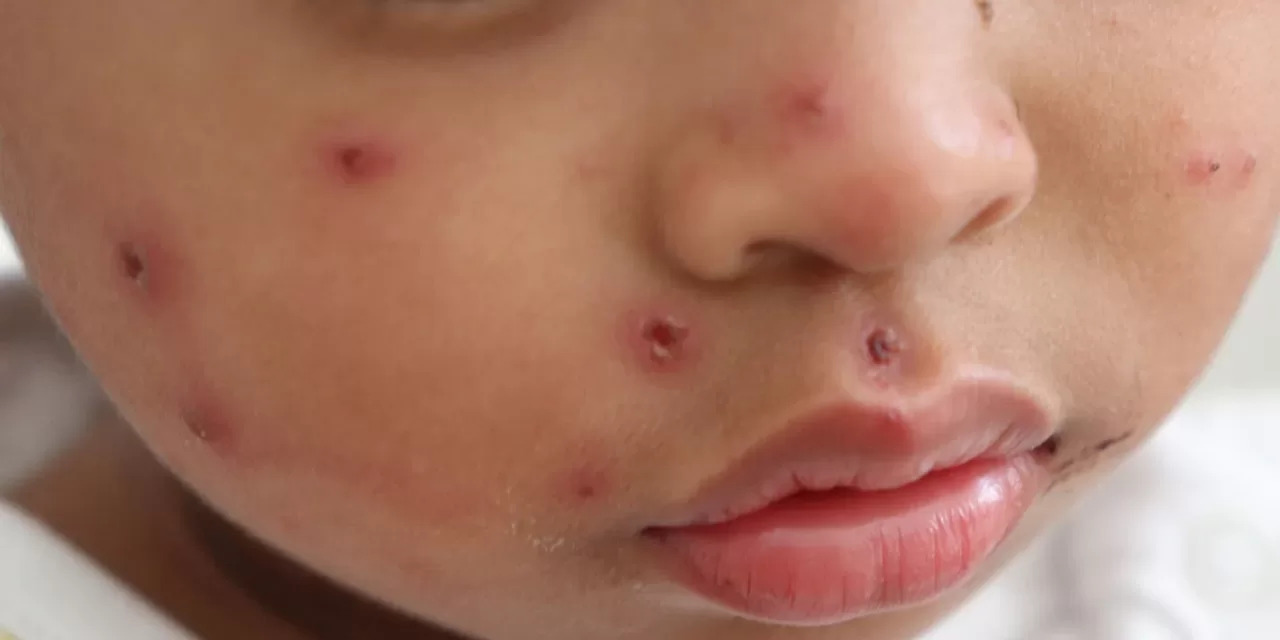
While often dismissed by some as a “standard childhood illness,” measles is a serious systemic infection. Symptoms typically begin with a high fever, cough, runny nose (coryza), and red, watery eyes (conjunctivitis). The hallmark dusky-red rash usually appears three to five days after symptoms begin.
However, the internal complications are what worry physicians most:
-
Pneumonia: The most common cause of measles-related death in children.
-
Encephalitis: Swelling of the brain that can lead to permanent deafness or intellectual disability.
-
Immune Amnesia: A phenomenon where the measles virus “wipes out” the body’s immune memory, leaving the patient vulnerable to other bacterial and viral infections for months or years after recovery.
According to the Centers for Disease Control and Prevention (CDC), about one in five unvaccinated people in the U.S. who get measles will be hospitalized.
The Vaccination Gap and Public Trust
The South Carolina outbreak occurs against a backdrop of declining routine childhood vaccinations nationwide. Since the COVID-19 pandemic, public health departments have noted an increase in vaccine hesitancy fueled by misinformation and the disruption of regular pediatric visits.
DHEC data suggests that while South Carolina’s statewide vaccination rate for the Measles, Mumps, and Rubella (MMR) vaccine remains relatively high, specific counties have seen “exemptions” rise. These localized clusters of unvaccinated individuals act as an entry point for the virus.
“This isn’t just about individual choice; it’s about the safety of the person sitting next to you in the waiting room who might be undergoing chemotherapy or the infant who is only six months old,” says Dr. Rodriguez.
Public Health Response and Recommendations
In response to the 156% surge, South Carolina health officials have opened mobile vaccination clinics and are urging parents to check their children’s immunization records. The MMR vaccine is typically administered in two doses: the first at 12–15 months of age and the second at 4–6 years of age. Two doses are approximately 97% effective at preventing the disease.
For residents in affected areas, health departments recommend:
-
Verification: Confirming vaccination status through a healthcare provider or the state registry.
-
Isolation: Anyone experiencing symptoms should call their doctor before arriving at a clinic to prevent exposing others in the waiting room.
-
Post-Exposure Prophylaxis: In some cases, the MMR vaccine or immune globulin can prevent permanent illness if administered within a specific timeframe after exposure.
Looking Ahead
As the South Carolina DHEC continues to monitor the Lowcountry cluster, the national medical community is watching closely. The rapid escalation serves as a potent reminder that the absence of a disease does not mean the absence of risk.
“We are victims of our own success,” says Dr. Thorne. “Because vaccines worked so well for so long, many people have forgotten how devastating measles can be. This outbreak is a wake-up call that we cannot afford to be complacent.”
Medical Disclaimer: This article is for informational purposes only and should not be considered medical advice. Always consult with qualified healthcare professionals before making any health-related decisions or changes to your treatment plan. The information presented here is based on current research and expert opinions, which may evolve as new evidence emerges.
References
Primary News Source:
-
Reuters. (2025, December 26). Measles cases in South Carolina rise 156%, state health department says. https://www.reuters.com/business/healthcare-pharmaceuticals/measles-cases-south-carolina-rise-156-state-health-department-says-2025-12-26/