 0
0
 0
0
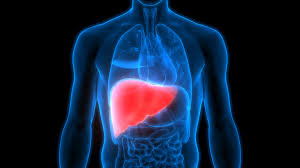
Bengaluru hospitals have reported a sharp rise in non-alcoholic fatty liver disease (NAFLD) cases, especially among young adults in their 20s and 30s. Since the COVID-19 pandemic, city hospitals have noted a 30% increase in NAFLD diagnoses, with over 10 new cases per day at some facilities. This trend is attributed to poor lifestyle choices, long hours of desk work, consumption of processed foods, irregular meals, and physical inactivity.
Unlike traditional liver diseases linked to alcohol use, NAFLD is increasingly affecting people with little or no history of drinking. The main culprit, according to medical experts, is obesity, which is now observed across all socio-economic groups. Anyone leading a sedentary lifestyle—such as office workers, autorickshaw or cab drivers, or those spending long hours sitting—is at risk.
Dr. Santhosh Kumar S C, consultant in gastroenterology at Fortis Hospital, Bengaluru, emphasized that NAFLD is no longer confined to those who consume alcohol. “We’re seeing a sharp rise in non-alcoholic fatty liver disease, with over 10 patients on average per day. The main reason: Obesity,” he said.
Dr. Harshavardhan Rao B, head of the department and consultant in medical gastroenterology at Ramaiah Memorial Hospital, explained that fatty liver is now recognized as a warning sign for broader metabolic dysfunction. “It’s now called metabolic dysfunction-associated fatty liver disease or MAFLD because it reflects the combined impact of diabetes, hypertension, obesity, abnormal cholesterol, poor diet, lack of physical activity, and even stress,” he noted.
The pandemic has accelerated this trend, as many people switched to remote work, relied on outside food, and faced longer working hours, all of which pushed physical and mental health to the background. As a result, more individuals are being diagnosed incidentally with fatty liver during routine scans.
Experts warn that NAFLD often progresses silently, with no symptoms until significant liver damage has occurred. The disease can advance through stages of fat accumulation, inflammation, fibrosis, cirrhosis, and even liver cancer if left unchecked. However, early stages are reversible with lifestyle changes such as maintaining a healthy weight, eating a balanced diet, staying physically active, and managing underlying health conditions.
Dr. Vinay Kumar B R, hepatologist at Narayana Health City, highlighted that fatty liver is now common in two to three out of every five patients during routine scans, especially among IT professionals and those with desk jobs. Dr. Balaji Gurrappa, consultant gastroenterologist at Kauvery Hospital, added that in women, conditions such as Polycystic Ovarian Disease (PCOD) and the use of hormonal pills can further increase the risk.
Precautions and Risk Factors
-
Precautions: Maintain a healthy weight, embrace a balanced diet, stay physically active, manage underlying health conditions, and limit or avoid alcohol.
-
Risk Factors: Diabetes, hypertension, abnormal cholesterol, obesity, and poor lifestyle choices.
Disclaimer:
The information provided in this article is for general awareness and educational purposes only. It is not intended as medical advice. If you have concerns about your liver health or are experiencing symptoms, please consult a qualified healthcare professional for diagnosis and treatment. Lifestyle changes should be made under medical supervision, especially for individuals with pre-existing health conditions.