 0
0
 0
0
A growing number of young Indian women are experiencing fertility challenges due to early ovarian ageing, a trend that is alarming medical experts across the country. Once considered a problem primarily affecting women in their late 40s, declining ovarian reserve is now commonly being reported in women in their 20s.
Doctors warn this phenomenon is reshaping the fertility landscape, with conditions like diminished ovarian reserve (DOR) and early menopause—where the ovaries stop functioning before age 40—affecting women at younger ages than ever before. “We are now regularly seeing women under 30 with alarmingly low AMH levels,” said Dr. Beena Muktesh, Clinical Director at Motherhood Fertility & IVF. The Anti-Müllerian Hormone (AMH) blood test, along with antral follicle count via ultrasound, remain the most reliable indicators of ovarian reserve.
What is particularly concerning to specialists is that many women with severely compromised fertility continue to menstruate regularly, which may mask underlying issues and delay diagnosis. “It’s not always about whether a woman is menstruating. Many still get their periods, but have almost no viable eggs left,” remarked Dr. Vaishali Sharma, a senior IVF specialist.
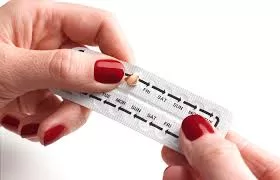
While genetic factors explain some very young cases, chronic stress, lack of sleep, unhealthy diets, smoking, exposure to environmental toxins, and the overuse of emergency contraceptives have all been highlighted as significant contributors. “Girls as young as 19 are coming to us with menopause or extremely poor ovarian reserve,” noted Dr. Rishma Pai, consulting gynecologist at Lilavati and PD Hinduja Hospitals.
Exposure to endocrine-disrupting chemicals—found in plastics, cosmetics, and packaged foods—alongside sedentary lifestyles, excessive caffeine consumption, and smoking or vaping, are all believed to accelerate ovarian ageing and disrupt the hormonal balance necessary for fertility.
Specialists urge early testing and lifestyle changes as critical preventative measures. “Women with a family history of early menopause, PCOS, or irregular cycles should test their fertility by their late 20s,” advised Dr. Muktesh. Simple lifestyle adjustments such as improving sleep, managing stress, maintaining a balanced diet, and minimizing exposure to harmful chemicals can make a meaningful difference.
For those already affected by early menopause and significant fertility loss, donor egg IVF offers a success rate of nearly 80%, allowing women to carry and deliver their own baby, though not with their own eggs. However, experts emphasize that increased awareness and timely action are crucial to preserving fertility options for the next generation.
“Fertility is no longer just about age, it’s about the environment your ovaries are functioning in,” Dr. Muktesh concluded.
Disclaimer: This article is for informational purposes only and is not a substitute for professional medical advice, diagnosis, or treatment. Please consult a qualified healthcare provider with any questions about your health or fertility.