 0
0
 0
0
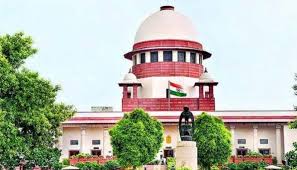
NEW DELHI — In a landmark ruling that reinforces the sanctity of medical education standards in India, the Supreme Court has delivered a stinging rebuke to ten dental colleges, imposing a massive ₹100 crore fine for circumventing national eligibility rules. The apex court ruled that state governments and private institutions do not have the authority to lower the eligibility criteria for the National Eligibility cum Entrance Test (NEET), asserting that merit cannot be sacrificed to fill vacant seats.
The decision, handed down this week, marks a pivotal moment for the dental profession and the broader healthcare system. By penalizing each of the ten colleges ₹10 crore, the Court has sent a clear message: the quality of future healthcare providers is non-negotiable.
The Core of the Conflict: Merit vs. Vacancy
The legal battle began when several dental colleges in Rajasthan admitted students to the Bachelor of Dental Surgery (BDS) program for the 2023-24 academic session who had not met the minimum qualifying percentile in the NEET exam.
Faced with a high number of vacant seats, the institutions, supported by certain state-level decisions, lowered the “cut-off” marks to ensure their classrooms were full. The colleges argued that leaving seats vacant was a waste of national resources and financially detrimental to the institutions.
However, the Supreme Court dismissed these arguments. The bench, led by Justice Vikram Nath and Justice Prasanna B. Varale, emphasized that the NEET-BDS regulations are framed by the Dental Council of India (DCI) and the Central Government to ensure a uniform standard of excellence across the country.
“The state cannot unilaterally lower the standards of education prescribed by the central regulatory bodies,” the Court noted. “Allowing students with insufficient scores to enter the medical profession poses a long-term risk to public health and the integrity of the healthcare system.”
Expert Commentary: Why Standards Matter
Medical education experts say the ruling is a victory for patient safety. Dr. Arpan Ghosh, a veteran dental educator not involved in the litigation, explains that the rigors of dental surgery require a high baseline of scientific understanding.
“Dentistry is not just a technical skill; it is a branch of medicine that involves complex pharmacology, anatomy, and surgical precision,” says Dr. Ghosh. “When we dilute entrance standards, we risk graduating professionals who may struggle with the complexities of patient care. This isn’t about filling seats; it’s about the safety of the person sitting in the dental chair.”
The Court’s decision highlights a growing tension in Indian medical education: the proliferation of private colleges versus the maintenance of strict academic rigor. With over 300 dental colleges in India producing approximately 26,000 graduates annually, the oversight of admission quality has become a primary concern for regulators.
Financial Penalties and Student Impact
The ₹100 crore total fine is one of the heaviest financial penalties ever imposed on educational institutions in India. The Court directed that the funds be utilized for improving government healthcare infrastructure and supporting merit-based scholarships.
Regarding the students who were illegally admitted, the Court faced a difficult dilemma. While the admissions were deemed invalid, the Court took a “humanitarian view” for those who had already completed a significant portion of their first year, allowing them to continue under strict conditions, while ensuring that the colleges—not the students—bore the brunt of the legal consequences.
However, the Court was explicit that this “mercy” should not be treated as a precedent. Future violations, the bench warned, would result in the immediate cancellation of student registrations and potential de-recognition of the colleges involved.
Implications for Public Health
For the general public, this ruling serves as an assurance of the “quality control” behind their healthcare providers. The NEET exam was introduced specifically to eliminate the “management quota” system, where wealthy students could effectively purchase seats in medical and dental colleges regardless of their academic performance.
By upholding NEET standards, the Supreme Court is protecting the public from a tiered system of care where the quality of a doctor depends on which college—and through which backdoor—they gained entry.
“Public trust is the bedrock of the patient-provider relationship,” says Sarah Williams, a public health policy analyst. “When patients know that every dentist has passed a rigorous, standardized national benchmark, it strengthens the credibility of the entire dental profession.”
The Counter-Argument: The “Wasted Seats” Debate
Despite the ruling, some educational consultants argue that the rigid percentile system needs reform. They point out that thousands of BDS seats go vacant every year because the cut-off is perceived as too high, leading to a shortage of dentists in rural areas.
“While merit is essential, we must also look at the massive infrastructure that sits idle,” says an administrator from one of the penalized colleges, speaking on condition of anonymity. “There should be a mechanism to marginally adjust percentiles if seats remain empty after multiple rounds of counseling, ensuring we maximize the number of trained professionals in the country.”
The Supreme Court, however, remained unmoved by the “economic waste” argument, suggesting that if seats are vacant, it may be due to a lack of interest in the profession or the high cost of private education, neither of which justifies lowering academic bars.
Looking Ahead
This judgment is expected to trigger a nationwide audit of medical and dental admissions. The Dental Council of India and the National Medical Commission (NMC) are likely to tighten monitoring of state-level counseling processes to ensure that no further “illegal” relaxations occur.
For aspiring students and their parents, the message is clear: there are no shortcuts to a career in medicine. Success in the NEET remains the only legitimate gateway to a white coat.
Medical Disclaimer
This article is for informational purposes only and should not be considered medical advice. Always consult with qualified healthcare professionals before making any health-related decisions or changes to your treatment plan. The information presented here is based on current research and expert opinions, which may evolve as new evidence emerges.
References
-
Medical Dialogues: “State cannot lower NEET eligibility rules: SC slaps Rs 100 crore fine on 10 dental colleges over illegal BDS admissions.” (September 2024).