 0
0
 0
0
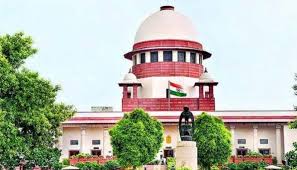
The Supreme Court of India is set to make a landmark decision on whether practitioners of allopathy and AYUSH (Ayurveda, Yoga & Naturopathy, Unani, Siddha, and Homeopathy) medicine should enjoy equal service conditions such as retirement age and pay scales. The outcome of this deliberation could have significant repercussions for India’s healthcare workforce, patients, and future policy frameworks .
Lead Paragraph
On October 2025, the Supreme Court referred the question of equal service conditions for allopathy and AYUSH doctors to a larger bench, following conflicting judgments and ongoing debates. This legal tussle, centered in New Delhi, challenges the status quo of career trajectories for thousands of medical professionals across India and seeks to address issues of fairness, public health needs, and parity in government service .
Key Background and Developments
The Supreme Court’s review arose from several petitions disputing the different retirement ages and service benefits set by various state governments for doctors based on the system of medicine they practice. AYUSH practitioners argue they should be accorded the same service length and financial remuneration as their allopathic counterparts, citing comparable workloads in government facilities. In contrast, multiple state governments have maintained that differences in training, scope of practice, and the nature of job responsibilities justify separate service conditions .
Recent judicial decisions illustrate the complexity of this issue:
-
In 2021, “New Delhi Municipal Corporation v. Dr. Ram Naresh Sharma & Ors.”, the Court asserted that denial of higher retirement ages to AYUSH doctors based solely on their medical system constituted unreasonable discrimination, given their comparable duties in government posts.
-
However, the 2023 “State of Gujarat & Ors. v. Dr. P.A. Bhatt & Ors.” supported state discretion to set different pay scales and retirement ages for AYUSH and allopathic doctors, highlighting differing educational qualifications and critical care competencies.
-
In the case “Dr. Solamon A. v. State of Kerala,” the court again emphasized that functions and expertise are not synonymous between allopathy and AYUSH practitioners, permitting divergent service conditions .
Expert Perspectives
Medical experts not involved in the litigation weigh in on the nuances:
Dr. Meenakshi Thakur, Senior Physician at All India Institute of Medical Sciences (AIIMS), notes, “While AYUSH doctors play an essential role in preventive and holistic health, allopathic doctors are indispensable for acute care, emergency interventions, and surgical procedures. These distinctions must inform service terms” .
Dr. Sameer Kumar, Professor of Healthcare Policy at Delhi University, adds, “Parity should depend on actual job responsibilities and the public health impact, not just degree titles. The risk is that blanket equality may overlook the very real skill gaps critical for patient safety in emergencies” .
Context and Statistical Perspective
The Indian government reports a shortage of allopathic doctors, especially in rural and underserved regions. According to the National Health Profile (2024), India had only 1 allopathic doctor per 1,428 people, well below the World Health Organization recommendation of 1:1,000. AYUSH practitioners, numbering over eight lakh nationwide, often fill gaps in primary healthcare, but rarely provide trauma or critical care services .
Disparities in patient footfalls also reflect the demand for allopathic services. Government statistics show that allopathic facilities regularly encounter higher caseloads, especially in emergency and specialized care settings.
Implications for Public Health
If the Supreme Court rules in favor of parity, AYUSH doctors may see improved job satisfaction and financial security, possibly enhancing retention in rural areas. However, critics warn that equating service conditions without reconciling differences in training and core competencies could undermine patient safety, particularly during emergencies .
Should the Court uphold separate conditions, India must continue efforts to strengthen both streams, prioritize capacity building, and ensure that AYUSH doctors’ contributions are respected without compromising care standards.
Limitations and Counterarguments
Some health policy experts caution against a “one-size-fits-all” solution. AYUSH curricula and diagnostic methodologies differ sharply from allopathic training. The risk of diluting standards by equating fundamentally different roles may outweigh benefits of standardized service conditions.
On the other hand, AYUSH practitioners point to government data showing their increasing integration in disease prevention and wellness programs, advocating for reward structures that reflect their evolving responsibilities.
Practical Guidance for Readers
For healthcare consumers, this debate underscores the value of understanding the credentials and competencies of their providers. While AYUSH services are effective in chronic disease management, lifestyle interventions, and prevention, allopathy remains crucial for acute and emergency care.
Patients should feel empowered to inquire about the qualifications of their doctor and seek the most appropriate care for their health needs.
Conclusion
The Supreme Court’s forthcoming decision marks a critical juncture for India’s medical service landscape. Whether in favor of parity or differentiation, the ruling should aim to balance fairness for providers with robust safeguards for patient care and public health .
Medical Disclaimer: This article is for informational purposes only and should not be considered medical advice. Always consult with qualified healthcare professionals before making any health-related decisions or changes to your treatment plan. The information presented here is based on current research and expert opinions, which may evolve as new evidence emerges.
References
-
“Can allopathy, AYUSH doctors have equal service conditions? Supreme Court to decide.” Medical Dialogues. October 2025.
- https://medicaldialogues.in/news/health/doctors/can-allopathy-ayush-doctors-have-equal-service-conditions-supreme-court-to-decide-157139