 0
0
 0
0
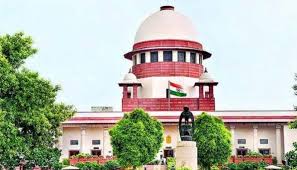
On November 7, 2025, the Supreme Court of India is set to hear pivotal pleas demanding greater transparency in the administration of the National Eligibility-Entrance Test Postgraduate (NEET PG) 2025, a crucial examination for over 240,000 aspiring medical specialists nationwide. The petitions, advanced by advocacy groups and candidate coalitions, challenge recent policy changes by the National Board of Examinations in Medical Sciences (NBEMS) that restrict candidates’ access to full question papers and answer keys, raising important questions about fairness and verification in India’s postgraduate medical admissions process.
NEET PG 2025: What Sparked the Transparency Debate?
Earlier this year, NBEMS initially announced that, for the first time, it would release the NEET PG answer key alongside complete question sets and individual response sheets. However, in a reversal, NBEMS issued a corrective notice limiting disclosure to only question IDs associated with correct answers—omitting the full question text from public access. This change has led to widespread concern among candidates, advocacy groups, and medical professionals, who argue that such restricted disclosure makes it nearly impossible for examinees to verify their results, identify errors, or raise valid objections.
For context, NEET PG is the standardized gateway for admission into India’s MD, MS, and postgraduate diploma programs. The 2025 exam was conducted online in a single shift across 301 cities, engaging more than 2.42 lakh candidates at over 1,000 test centers.
Key Arguments: Petitioners vs. NBEMS
Petitioners—including the United Doctors’ Front (UDF) and student groups—contend that the absence of transparent answer key and response sheet disclosure undermines trust in the evaluation process. In their plea, they emphasize that aspirants must be able to independently verify the scoring methodology, check for errors, and challenge possible discrepancies. As Dr. Anjali Mehra, an independent medical education expert not involved in the plea, observes: “Without full disclosure, candidates have very limited recourse to dispute outcomes—transparency is fundamental to exam credibility.”
On the other side, NBEMS has argued before the court that restrictive disclosure is intended to protect the confidentiality and integrity of the exam system, cautioning against the risk of question bank leakage which could compromise future assessments. The Board insists that its current policy meets regulatory requirements.
Statistical Insight and What’s at Stake
More than 240,000 candidates sat for NEET PG 2025. The implications are far-reaching: With access to postgraduate medical seats dependent on NEET PG scores, even a small percentage of errors or unaddressed discrepancies could affect thousands of applicants annually.
Nationally, the number of postgraduate medical seats continues to expand, but competition remains fierce and the margin for error is razor-thin. Given that India faces a shortage of medical specialists and mounting pressure to ensure merit-based selection, the stakes of transparent and fair assessment practices are especially high.
Broader Context: Calls for Reform in Medical Testing
Transparency debates are not new to Indian medical entrance examinations. Experts note that national tests like the Joint Entrance Examination (JEE) and Central Universities Entrance Test (CUET) routinely provide detailed answer keys and allow for objection windows—practices considered global best standards. “Students in high-stakes exams deserve a clear audit trail for how their performance is evaluated,” says Dr. Rajiv Kumar, Senior Professor of Medical Education at Delhi’s AIIMS, underscoring that transparency also helps guard against favoritism or error.
Further, several recent Supreme Court reviews have emphasized the value of transparency in competitive public sector examinations—serving as a check on administrative excesses and a means to uphold candidates’ rights.
Implications for Candidates and the Health System
If the Court accepts the petitioners’ arguments and orders NBEMS to release the full answer key and question set, it could set a precedent for greater exam transparency not only in medical education but across major competitive examinations in India. This could empower candidates, reduce legal disputes, and enhance public trust in the admissions process.
Conversely, if the Court upholds the NBEMS policy, candidates must rely on limited information, potentially diminishing their ability to ensure fair evaluation. Some experts have voiced concerns this might set back efforts to standardize best practices in Indian medical education.
Counterpoints and Limitations
A key limitation cited by NBEMS and some independent observers is the risk of question bank leakage, which could compromise the integrity of future exams if released too openly. Additionally, legal experts warn that “one-size-fits-all” solutions may not be feasible, given the evolving digital exam landscape and rising security challenges.
Finally, while international best practices generally favor transparency, local context—including exam scale and historic malpractices—must also inform policy design.
Practical Takeaways for Candidates
-
Stay informed: Candidates should follow Supreme Court proceedings and updates on the NEET PG portal for any policy changes.
-
Documentation: Aspirants are advised to keep personal records, such as admit cards and digital correspondence, which may be required for objections or appeals.
-
Advocacy: Those dissatisfied with current practices can consider joining collective representation efforts or contacting government oversight bodies.
-
Counselling updates: The Medical Counselling Committee (MCC) has already released the schedule for 50% AIQ counselling; deadlines should be closely monitored.
Conclusion
The Supreme Court’s decision on November 7 will be watched closely by candidates, educators, and policymakers alike. Its ruling could redefine standards of accountability and equity for India’s future medical professionals. As Dr. Mehra notes, “Transparency in testing isn’t just a technical issue—it’s about equity and public trust in the system shaping tomorrow’s doctors.”
Medical Disclaimer
Medical Disclaimer: This article is for informational purposes only and should not be considered medical advice. Always consult with qualified healthcare professionals before making any health-related decisions or changes to your treatment plan. The information presented here is based on current research and expert opinions, which may evolve as new evidence emerges.
References
-
Misra, B. “NEET PG 2025 transparency plea in Supreme Court- Next hearing on November 7.” Medical Dialogues. Nov 4, 2025. https://medicaldialogues.in/news/education/neet-pg-2025-transparency-plea-in-supreme-court-next-hearing-on-november-7-158061medicaldialogues