 0
0
 0
0
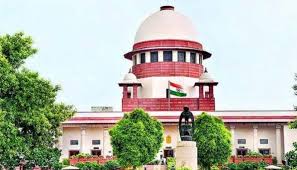
In a landmark ruling delivered in early January 2026, the Supreme Court of India quashed a controversial midstream policy alteration by Punjab authorities for sports quota admissions to MBBS and BDS courses in 2024 and addressed its continuation in 2025. The decision, pronounced by Justices Sanjay Kumar and Alok Aradhe, emphasized that changing admission criteria after the process begins undermines fairness, transparency, and equality under Article 14 of the Constitution. This intervention came after appeals from affected candidates like Divjot Sekhon and Shubhkarman Singh, who lost government seats due to the shift.
Case Background and Timeline
The dispute originated with the 2024 admissions managed by Baba Farid University of Health Sciences (BFUHS) under the National Eligibility-cum-Entrance Test (NEET UG). The initial prospectus, released on August 9, 2024, explicitly limited sports quota credits—reserved at 1% of seats—to achievements in Classes XI and XII, aligning with pre-2023 norms.
Applications closed on August 16, 2024, but at 6:07 PM that day, BFUHS issued an email directing candidates to submit achievements from “any class/year,” effectively expanding the zone to include Classes IX and X. This followed a 2023 corrigendum that had temporarily broadened criteria due to COVID-19 disruptions but was explicitly limited to that session. The sports merit list on August 23, 2024, ranked candidates like Kudrat Kashyap (No. 1) higher based on earlier achievements, displacing appellants to costlier private colleges.
The Punjab and Haryana High Court dismissed challenges, citing prior rulings, prompting Supreme Court appeals. For 2025, the same expanded policy persisted despite completed admissions.
Supreme Court Observations
The bench ruled the change “vitiated by arbitrariness,” invoking the principle that “rules of the game cannot be changed once the game has begun”—a doctrine from cases like Maharashtra State Road Transport Corporation vs. Rajendra Bhimrao Mandve. File reviews revealed the policy shift stemmed from an undisclosed representation by roller-skating coach Ramesh Kumar Kashyap, father of top-ranked Kudrat Kashyap, who advocated inclusion without mentioning his conflict of interest.
Inconsistencies were highlighted: other 2024 courses (e.g., BAMS, BHMS) and postgraduate admissions stuck to Classes XI-XII, while the 2023 Sports Policy excluded sub-junior events yet the email invited them, fostering favoritism. The Court quashed the modification but tailored relief to avoid disrupting studies, reassigning appellants to government seats and shifting beneficiaries to private ones. For 2025 appellants, it granted liberty to refile in High Court with all parties.
Policy Context in Medical Admissions
Sports quotas aim to reward athletic excellence alongside academics, but implementation varies. Punjab’s 1% reservation mirrors many states, yet defining “relevant” achievements remains contentious. Pre-2023, most limited to Classes XI-XII as these align with NEET preparation age (17-18), balancing sports commitment against studies. The 2023 COVID exception recognized disrupted opportunities (2020-2022), but perpetuating it lacked justification.
Nationally, similar issues arise; Bombay High Court recently struck Goa’s post-merit sports quota introduction for lacking transparency. Supreme Court precedents stress pre-process finality to prevent nepotism in high-stakes fields like medicine, where government seats cost ~₹9.5 lakh vs. ₹22 lakh privately.
| Aspect | Pre-2023/Standard Policy | 2023 Exception (COVID) | 2024/2025 Challenged Policy |
|---|---|---|---|
| Classes Considered | XI & XII only hindustantimes+1 | IX, X, XI, XII (one-time) | Any class/year |
| Rationale | Recent balance of sports/academics | Pandemic disruptions | Representation |
| Outcome | Consistent across courses | Upheld by HC | Quashed by SC |
Expert Perspectives
Legal experts hail the ruling as a safeguard against executive overreach. “This reinforces Article 14’s role in admission equity, ensuring policies aren’t tailored mid-process for individuals,” notes a constitutional law analyst. Medical educators worry quotas dilute merit; a BFUHS-affiliated professor (not involved) stated, “Focusing on recent achievements tests sustained dedication amid NEET rigor—earlier wins alone risk rewarding past glory over current fitness.”
Sports advocates counter that excluding early achievements ignores talent peaks (e.g., Olympics cycles every 4 years). “Injury or academic focus in XI-XII shouldn’t erase Class IX golds,” argues a Punjab sports official anonymously. However, the Court prioritized transparency over flexibility.
Public Health and Equity Implications
Equitable medical admissions bolster Punjab’s healthcare workforce, vital amid doctor shortages (India averages 0.9 physicians/1,000 vs. WHO’s 1.0). Sports quotas promote holistic doctors—physically fit, team-oriented—but arbitrariness erodes trust, potentially deterring talent.
For aspirants, clarity aids planning; NEET’s ~24 lakh takers (2024) compete fiercely for ~1 lakh MBBS seats. Post-ruling, states must pre-define quotas, possibly staggering changes. Consumers benefit from merit-based doctors, but balanced policies could nurture athlete-physicians for public health roles like sports medicine.
Limitations and Future Outlook
The judgment avoids upending 2025 admissions sans parties, limiting systemic relief. Critics note no broader quota reform (e.g., 3% as in some policies). Punjab may revise via transparent notification pre-2026 cycle. Similar challenges loom nationwide, urging NMC guidelines.
Medical Disclaimer: This article is for informational purposes only and should not be considered medical advice. Always consult with qualified healthcare professionals before making any health-related decisions or changes to your treatment plan. The information presented here is based on current research and expert opinions, which may evolve as new evidence emerges.
References
-
Supreme Court Judgment: Divjot Sekhon vs. State of Punjab (Civil Appeal Nos. __ of 2026), January 2026. Available at: https://medicaldialogues.in/pdf_upload/supreme-court-punjab-mbbs-sports-quota-319868.pdfhindustantimes
-
Medical Dialogues Article: “MBBS, BDS sports quota admission: Supreme Court quashes midstream policy change in Punjab,” January 8, 2026. https://medicaldialogues.in/news/education/medical-admissions/mbbs-bds-sports-quota-admission-supreme-court-quashes-midstream-policy-change-in-punjab-162378livelaw