 1
1
 0
0
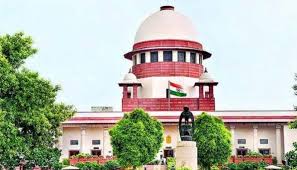
In a landmark judgment on September 5, 2025, the Supreme Court of India acquitted a medical practitioner who had been sentenced to life imprisonment for the death of an assailant. The court recognized the doctor’s exercise of the right of private defence in response to an armed attack at his clinic, setting aside his conviction for culpable homicide. This ruling underscores the law’s protection of self-defence in life-threatening scenarios and carries important implications for both legal and medical communities.
Key Findings and Case Background
The appellant, Dr. Rakesh Dutt Sharma, was involved in a dispute with the deceased over a financial transaction. The deceased, armed with a pistol, entered Dr. Sharma’s clinic and opened fire, injuring him. In the ensuing struggle, Dr. Sharma disarmed the aggressor and fatally shot him. Both parties filed First Information Reports (FIRs) against each other; however, following the assailant’s death, the prosecution against him was closed and Dr. Sharma was charged under Section 302 of the Indian Penal Code (IPC) for murder.
Initially, the trial court convicted Dr. Sharma of culpable homicide not amounting to murder under Section 304 Part I of the IPC and sentenced him to life imprisonment. The High Court upheld this conviction. However, upon appeal, the Supreme Court bench comprising Justices M. M. Sundresh and N. Kotiswar Singh acquitted Dr. Sharma, asserting that his actions were lawful under the right of private defence.
Expert Legal Commentary
Senior Counsel Mr. S. Nagamuthu, representing Dr. Sharma, argued that the prosecution’s own narrative indicated that the doctor’s use of force was an exercise of legitimate self-defence. He emphasized that the right of private defence cannot be constrained by mathematical precision in assessing the degree of harm inflicted. Relying on the precedent set in Darshan Singh vs. State of Punjab (2010), the counsel contended that self-preservation is a fundamental human instinct recognized by criminal jurisprudence globally, and that force used in defence must be proportional, though not strictly limited to exact equivalence.
The State counsel, conversely, argued that Dr. Sharma exceeded his right of defence, highlighting that the fatal shots targeted vital areas of the deceased’s body, implying disproportionate use of force. These perspectives were considered but ultimately not upheld by the Supreme Court.Court’s Reasoning and Legal Principles
The Supreme Court affirmed that the deceased was the aggressor who initiated the violent encounter by arriving armed and shooting at Dr. Sharma. The court noted that in such a sudden and life-threatening situation, expecting the accused (here, the doctor) to apply a ‘rational mind’ in exacting measures of force for self-defence is unrealistic. Instead, the assessment must be made from the standpoint of a reasonable and ordinary person under threat.
The ruling emphasized that the right of private defence is not to be “weighed in a golden scale” or measured pedantically but should reflect a common-sense approach under threatening circumstances. The court drew upon established legal principles that permit a person facing imminent danger to protect life or limb with necessary and proportionate force, even if it results in serious harm or death of the attacker.
Context and Broader Implications
This judgment resonates beyond the immediate case, providing reassurance to healthcare professionals and others susceptible to sudden violent attacks. Attacks on medical practitioners, though tragic and concerning, have unfortunately become increasingly reported in various settings. This ruling clarifies that the law upholds the right of individuals, including doctors, to defend themselves when faced with unprovoked aggression, particularly when their lives are at risk.
The case also highlights the delicate balance courts must maintain in evaluating self-defence claims: ensuring that the use of force is not grossly disproportionate while recognizing that victims under threat cannot be expected to maintain perfect composure or legal calculation in moments of peril.
Potential Limitations and Counterarguments
While the Supreme Court’s decision sets a precedent affirming the right of private defence, it recognizes that this right is not absolute. Force must not be excessive beyond necessity. Each self-defence claim must be evaluated carefully on its facts. This case turned heavily on the fact that the deceased initiated a violent armed attack.
Critics may argue that such judgments could be misinterpreted to justify excessive or retaliatory violence. Courts and law enforcement bear responsibility to distinguish genuine self-defence from misuse of this defence to mask unlawful aggression. Thus, this ruling should not be seen as a carte blanche for escalated violence but as protection for legitimate self-preservation.
Practical Implications for Readers
For healthcare workers and the general public, this ruling is a reminder of the legal protections available when facing sudden violence. It underscores the importance of situational awareness and defensive preparedness while navigating the limits of lawful self-defence.
From a public health perspective, addressing violence against medical personnel requires preventive measures including security protocols and policy reforms. However, when confronted with immediate threats, exercising the right of private defence is legally sanctioned and recognized as a natural human response.
Conclusion
The Supreme Court of India’s decision to acquit Dr. Sharma on the grounds of lawful private defence reaffirms civil liberties protecting individuals against violent aggression. As violence against healthcare providers continues to be a concern, this case provides both legal clarity and moral reassurance that self-protection in the face of imminent harm is a recognized right.
Medical Disclaimer
This article is for informational purposes only and should not be considered medical advice. Always consult with qualified healthcare professionals before making any health-related decisions or changes to your treatment plan. The information presented here is based on current research and expert opinions, which may evolve as new evidence emerges.
References
-
Rakesh Dutt Sharma vs. State of Uttarakhand, Supreme Court of India, Judgment dated September 5, 2025. Available at Medical Dialogues.https://medicaldialogues.in/news/health/doctors/supreme-court-recognises-right-of-private-defence-overturns-life-imprisonment-of-doctor-for-shooting-attacker-154926