 0
0
 0
0
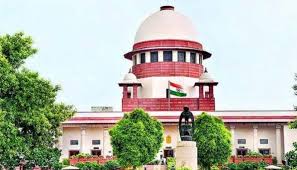
The Supreme Court of India recently heard a Public Interest Litigation (PIL) filed by NEET PG 2025 aspirants demanding full disclosure of exam questions and detailed answer keys to ensure transparency in the evaluation process. This plea comes amid growing concerns that the current disclosure method, which shares only question identification (ID) numbers without the actual questions, is opaque and prevents meaningful verification of answers. The Court questioned the petitioners’ motives, asking if the transparency concerns arose because they scored less in the examination. The case remains pending, with further hearings scheduled.
Key Developments in the NEET PG Transparency Dispute
NEET PG (National Eligibility cum Entrance Test for Postgraduate Medical Courses) is a high-stakes exam for medical graduates in India competing for limited postgraduate seats. In 2025, over 2.42 lakh candidates appeared for the exam conducted by the National Board of Examinations in Medical Sciences (NBEMS).
Initially, NBEMS announced it would release the full answer key along with candidates’ response sheets and the complete set of questions to enhance transparency. However, shortly after, the board issued a “corrective notice” stating that only the question IDs from a “master set” would be disclosed rather than the actual questions or the sequence attempted by candidates. This decision was made because the question sequence and option order were randomized differently for each candidate.
Petitioners argue this approach undercuts the purpose of publishing answer keys since candidates cannot verify or challenge their answers without the actual questions. They seek a disclosure that includes:
-
The full questions in the order each candidate attempted them
-
The candidate’s marked responses
-
The official correct answers
-
Marks awarded for each question
They claim this is a matter of fairness, ensuring candidates can cross-check their evaluation and safeguard the exam’s integrity.
Supreme Court Proceedings and Responses
At the September 4 hearing, the Supreme Court bench comprising Chief Justice BR Gavai and Justice K. Vinod Chandran took a cautious stance, questioning whether the transparency complaint stems from dissatisfaction over marks. The bench observed that while candidates frequently use Article 32 (right to constitutional remedy) to seek interventions, these pleas sometimes exploit the process rather than contribute to reform.
The Court adjourned the case for further hearing after directing the respondents and petitioners to compile relevant documents. Meanwhile, the Court rejected a plea to halt NEET PG counseling scheduled to begin on or after September 5, ensuring the admission process proceeds for now.
Expert Perspectives on Exam Transparency
Legal experts and education analysts highlight that transparency in exam evaluations is crucial to maintain credibility, especially in competitive, high-stakes tests like NEET PG where thousands of candidates vie for limited seats. Transparency builds trust in the evaluation system and enables candidates to identify and challenge genuine errors.
Context and Background
Transparency in NEET PG evaluations has been a subject of debate in previous years, with courts often directing disclosure of raw scores, answer keys, and normalization formulas. Other prominent competitive exams like IIT-JEE, CLAT, and AIIMS INI-CET routinely provide candidate-wise responses and question papers for transparency, setting standards petitioners hope NEET PG will emulate.
The complexity arises from the shuffling of question and option orders unique to each examinee, a measure intended to reduce cheating but one that complicates straightforward public disclosure.
Public Health and Educational Implications
The outcome of this case holds significant implications for public health and medical education in India. Ensuring that NEET PG admissions are fair and transparent is vital because these exams govern the allocation of specialized medical training slots. Any perceived or actual lack of transparency could undermine trust in the system, potentially affecting the morale and motivation of future healthcare providers.
From a public health perspective, a transparent and merit-based selection process bolsters confidence in the training of the medical workforce, which directly impacts healthcare delivery and patient care quality nationwide.
Limitations and Counterarguments
The NBEMS’s stance emphasizes security and practicality in managing randomized question papers for each candidate. Sharing the entire personalized question set publicly risks leaking exam content and undermining the fairness sought through randomization.
Critics caution that a drive for complete transparency must be balanced with exam integrity and security. The Court will likely have to consider these competing interests before arriving at a ruling.
What It Means for Candidates
Candidates awaiting results or counseling should stay informed about developments in this case, as decisions on transparency could affect their ability to verify marks and challenge results. Clinicians and educators should also monitor policy directions, as transparency standards here may set precedents for other medical and professional exams.
In daily terms, aspirants are encouraged to:
-
Review official announcements and answer keys carefully.
-
Prepare for counseling in line with the Court’s current directive.
-
Seek guidance from qualified academic or legal advisors if discrepancies arise.
Medical Disclaimer
Medical Disclaimer: This article is for informational purposes only and should not be considered medical advice. Always consult with qualified healthcare professionals before making any health-related decisions or changes to your treatment plan. The information presented here is based on current research and expert opinions, which may evolve as new evidence emerges.
References
-
Medical Dialogues. “‘Is it because you got less marks?’ Supreme Court asks petitioners in NEET PG Transparency case.” Published September 3, 2025.https://medicaldialogues.in/news/education/is-it-because-you-got-less-marks-supreme-court-asks-petitioners-in-neet-pg-transparency-case-154636