 0
0
 0
0
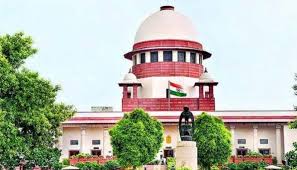
The Supreme Court of India is currently addressing a significant petition filed by two transgender doctors seeking reservation in the NEET-PG (National Eligibility cum Entrance Test for Postgraduate) medical education exam based on the landmark 2014 NALSA judgment. This judgment recognized transgender persons as socially and educationally backward classes and directed that all forms of reservation in educational institutions and public employment be extended to them. The Court has directed several States, which have not yet filed responses, to submit affidavits detailing their plans and timelines for implementing horizontal reservation for transgender persons in medical admissions. This step comes amid ongoing ambiguity and differing high court rulings on the recognition and application of transgender reservations in postgraduate medical courses.
Background and Key Developments
The 2014 Supreme Court judgment in the National Legal Services Authority (NALSA) v. Union of India case legally recognized transgender persons as a third gender and mandated that they be treated as socially and educationally backward classes, entitling them to all reservation benefits in educational institutions and public employment. However, the practical implementation of these directives has faced delays and inconsistencies across different States and institutions.
Petitioners seeking horizontal reservation in NEET-PG admissions argue for reservation of seats on the basis of gender identity within existing vertical categories like Scheduled Castes (SC), Scheduled Tribes (ST), Other Backward Classes (OBC), and the General category. Horizontal reservation would mean that transgender candidates receive reservation benefits irrespective of the vertical category to which they belong, effectively overlapping the categories.
The Supreme Court bench of Justices PS Narasimha and AS Chandurkar heard the petition in October 2025, emphasizing the need for a systemic and comprehensive reservation policy that benefits all transgender candidates rather than ad-hoc or piecemeal relief for individuals. Counsel for the petitioners requested interim reservation of a limited number of seats under the All India Quota and State quotas, but the Court preferred a broader, policy-level approach.
Expert Perspectives
Senior Advocate Indira Jaising, representing the petitioners, emphasized the confusion caused by conflicting High Court decisions that had granted or denied ad-hoc reservations in various cases. She highlighted that transgender candidates had appeared for the NEET-PG exam but faced uncertainty about cut-off marks and seat allotments due to the lack of clear reservation policies.
Experts in medical education and social justice underscore the importance of implementing such reservation policies as an equity measure acknowledging the socio-economic and educational marginalization faced by transgender individuals. The transgender community in India faces considerable stigma, discrimination, and lack of access to opportunities across healthcare education and employment.
Dr. Gargi, one of the few transgender doctors actively advocating for reservation in postgraduate medical education through litigation, states that horizontal reservation within existing categories would provide a uniform framework for transgender empowerment without complicating caste-based reservation systems.
Implications for Public Health and Medical Education
Inclusion of transgender persons in postgraduate medical education through reservation is a critical step toward social justice and healthcare equity. It not only offers opportunities for deserving transgender candidates but also fosters diversity and inclusivity in the medical workforce. Diverse healthcare providers can better understand and address the unique health needs of marginalized populations, including transgender persons, improving patient outcomes and reducing health disparities.
However, the lack of a uniform policy leads to inconsistent admissions processes and potential legal battles, further disadvantaging transgender applicants. Establishing clear guidelines for horizontal reservation, along with sensitization of admissions committees, is essential for ensuring fair access to medical education.
Limitations and Counterarguments
Critics of reservation policies often raise concerns about the complexity of implementing horizontal reservations in conjunction with existing vertical quotas. There is also debate over the exact percentage of seats to be reserved and whether such a quota should be separate (vertical) or intersect with current categories (horizontal).
Some stakeholders argue that reservations alone may not solve the systemic educational and social barriers faced by transgender individuals, suggesting that enhanced support systems, scholarships, anti-discrimination measures, and awareness initiatives are also needed alongside quota policies.
Conclusion
The Supreme Court’s active role in seeking timely responses from States and pushing for policy clarity on transgender reservation in NEET-PG exams reflects a pivotal moment in India’s commitment to transgender rights in education. The resolution of this issue will have far-reaching implications for medical education inclusivity, social justice, and public health enhancement. As India works toward implementing the NALSA judgment’s directives, the development of clear, uniform, and equitable reservation policies is crucial for enabling transgender individuals to access postgraduate medical education and contribute meaningfully to the healthcare sector.
Medical Disclaimer: This article is for informational purposes only and should not be considered medical advice. Always consult with qualified healthcare professionals before making any health-related decisions or changes to your treatment plan. The information presented here is based on current research and expert opinions, which may evolve as new evidence emerges.
References