 0
0
 0
0
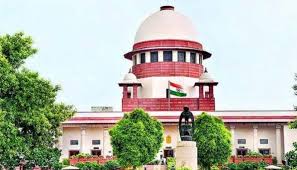
In a landmark development, the Supreme Court of India has issued notices to the Union Government, all States, and Union Territories concerning the denial of free medical treatment to economically weaker sections (EWS) and below poverty line (BPL) patients in private hospitals. This follows a public interest litigation (PIL) highlighting systemic non-compliance by such hospitals, many of which were allocated prime government land or concessions under the explicit condition of providing a mandatory share of free treatment to poor patients. The Court’s directive, issued in early September 2025, urges these authorities to respond promptly and address this significant public health concern.
Key Findings and Issues Highlighted in the PIL
The PIL, filed by social activist and Magsaysay Award winner Sandeep Pandey, focuses on private hospitals in various states such as Delhi, Maharashtra, Haryana, Odisha, Telangana, and West Bengal. These hospitals received government land at concessional or token lease rates, alongside additional development benefits like increased Floor Space Index (FSI). In return, they were contractually obliged to reserve a fixed proportion of inpatient beds and outpatient consultations for free treatment. Typically, this allocation required at least 10% of inpatient beds and 25% of outpatient services to be accessible without cost to EWS and BPL patients.
Despite these conditions, repeated audit reports and court-monitored inquiries exposed widespread violations. For instance, the Comptroller and Auditor General (CAG) report on Maharashtra revealed significant defaults among state-aided hospitals, including some prestigious institutions that provided only half or less of the free treatment mandated under lease agreements. Other states showed similar patterns, with hospitals failing to meet free treatment quotas and sometimes diverting funds meant for indigent patients to other purposes.
Examples include:
-
In Maharashtra, hospitals like Bombay Hospital and Lilavati Hospital fell short of providing requisite free inpatient and outpatient care, contravening court-approved schemes.
-
In Delhi, despite landmark court rulings requiring hospitals like Indraprastha Apollo to allocate a third of beds for free treatment, violations continue to persist.
-
Haryana reports showed negligible free treatment usage in some hospitals, with instances as stark as only 118 EWS patients receiving free care out of 64,000 admissions in a year.
-
Odisha saw the misuse of hospital land granted under concessional terms, with some promoters diverting it to build commercial and residential projects rather than fulfilling healthcare obligations.
Expert Perspectives and Legal Context
The Chief Justice B R Gavai-led bench that took cognizance of this PIL emphasized the gravity of the breach not only of lease agreements but also the fundamental right to healthcare under Article 21 of the Indian Constitution, which guarantees the right to life. Legal experts underline that the failure to enforce these obligations amounts to a breach of public trust and undercuts the intended social responsibility tied to using public assets for healthcare provision.
Dr. Meena Krishnan, a public health expert unaffiliated with the case, noted, “The denial of free treatment to the poor in private hospitals that benefit from public resources represents a failure of governance and accountability. Such negligence perpetuates health inequities and undermines trust in the health system.” She further stressed the importance of stringent regulatory oversight and transparent enforcement mechanisms to uphold these social contracts.
Implications for Public Health and Policy
The Supreme Court’s notice signals a critical juncture in addressing disparities in healthcare access for India’s most vulnerable populations. The systemic default in compliance despite existing policies suggests significant lapses in monitoring and enforcement at both the state and central levels. As healthcare costs rise and private sector involvement deepens, ensuring that concessions granted by governments translate into actual benefits for the poor is vital for social equity and public health.
If the Court mandates uniform enforcement and the establishment of empowered state-level authorities as the PIL requests, it could transform how healthcare entitlements are managed. Proposals include periodic audits, recovery of the monetary equivalent for denied treatment, cancellation of land allotments for persistent defaulters, and a centralized digital dashboard for real-time public disclosure of free bed availability and compliance data.
Potential Limitations and Counterarguments
While the PIL makes a strong case, some hospital authorities argue that operational constraints and financial sustainability challenges complicate free service provision. Critics caution that rigid enforcement without adequate government subsidies or support could strain private hospitals financially, potentially impacting overall healthcare availability.
Moreover, measuring compliance based solely on quotas can be complex, given diverse patient case mixes and administrative challenges in categorizing and tracking EWS and BPL patients accurately.
What This Means for Patients and Readers
For the general public, especially those from economically disadvantaged backgrounds, this judicial intervention promises a renewed focus on accountability for promised free healthcare services. Patients seeking care in private hospitals that benefit from government concessions should be aware of their rights to free or subsidized treatment under these schemes. Increased transparency and enforcement would help ensure these rights are respected.
Healthcare consumers and advocates can anticipate more robust government mechanisms to monitor compliance and possibly more public disclosures of hospitals’ adherence to free treatment obligations.
Medical Disclaimer
This article is for informational purposes only and should not be considered medical advice. Always consult with qualified healthcare professionals before making any health-related decisions or changes to your treatment plan. The information presented here is based on current research and expert opinions, which may evolve as new evidence emerges.
References
-
Supreme Court Notice to Centre and States over Free Treatment for Poor Patients at Private Hospitals, Medical Dialogues, September 2025.https://medicaldialogues.in/news/health/hospital-diagnostics/supreme-court-notice-to-centre-states-over-free-treatment-to-poor-patients-at-private-hospitals-154440