 0
0
 0
0
March 8, 2026
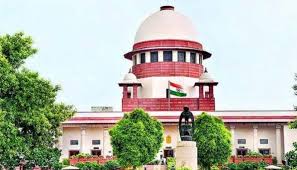
NEW DELHI — In a definitive move to protect the integrity of the judicial process, the Supreme Court of India ruled on March 6, 2026, that forensic doctors who leak medico-legal post-mortem findings to the media before official reports reach investigating agencies will be held in contempt of court. The bench, led by Justices Vikram Nath and Sandeep Mehta, asserted that premature disclosures by medical experts derail investigations, spread misinformation, and irreparably prejudice public perception. The ruling emphasizes that the “sanctity of the autopsy room” must be maintained to ensure that justice is dictated by evidence rather than headlines.
The Case That Sparked the Mandate
The court’s observation arose during the final resolution of cross-petitions surrounding the 2002 death of 23-year-old Telugu actress Pratyusha. Known for her roles in Telugu and Tamil cinema, Pratyusha died in Hyderabad following a suicide pact with her partner, G. Siddharth Reddy, who survived the incident.
While initial police investigations and eyewitness accounts pointed to organophosphate poisoning—a common pesticide—the case took a sensational turn due to the actions of a forensic expert. Dr. B. Muni Swamy, a forensic doctor who was not on official duty at the time, conducted a post-mortem and claimed the death was the result of manual strangulation and gang-rape.
These claims, widely disseminated through the media, contradicted subsequent probes by the Central Bureau of Investigation (CBI) and experts from the All India Institute of Medical Sciences (AIIMS). The AIIMS panel confirmed that the “injuries” noted by Dr. Swamy were actually the result of life-saving therapeutic interventions, such as catheterization and defibrillation shocks.
A Legacy of Misinformation
Though Dr. Swamy passed away in 2009, the Supreme Court used the conclusion of the Pratyusha case—where Reddy’s abetment conviction was upheld while he was acquitted of murder—to set a binding precedent.
“The impact of a doctor issuing an erroneous post-mortem report and publicizing it through the media goes far beyond individual misconduct,” the Justices stated. “It spreads misinformation, erodes trust in investigative agencies, prejudices public opinion, traumatizes the victim’s family, and undermines the rule of law.”
The Legal and Ethical Framework
In India, medico-legal post-mortems are mandated under Section 174 of the Code of Criminal Procedure (CrPC) for unnatural deaths. These procedures are not merely medical exams but are crucial cogs in the criminal justice machinery.
The court highlighted several existing safeguards that were bypassed in the Pratyusha case:
-
The Sub-Judice Rule: This prohibits public commentary on matters currently under judicial consideration to ensure a fair trial.
-
Fiduciary Confidentiality: Under Section 8(1)(e) of the RTI Act, medical information is protected by a fiduciary relationship, and disclosures that impede an investigation are legally barred.
-
NMC Ethics Guidelines: The National Medical Commission (NMC) 2002 Code of Ethics and the 2023 Social Media Guidelines strictly prohibit doctors from making misleading claims or discussing patient cases in the press or on social platforms.
Expert Perspectives: Why Silence is Vital
Medical and legal experts have largely welcomed the ruling as a necessary boundary in an era of 24-hour news cycles and viral social media posts.
Dr. Sanjay Nagral, a prominent transplant surgeon and bioethicist not involved in the litigation, views the ruling as a “vital safeguard for forensic integrity.” Speaking to this portal, Dr. Nagral noted, “Forensic reports are official documents integral to justice. Leaking them fuels media trials, which can skew the testimony of eyewitnesses who may become biased by what they see on television. This aligns with global standards where pathologists maintain strict neutrality.”
Dr. R.K. Sharma, former Professor of Forensic Medicine at AIIMS, echoed these sentiments, stressing the importance of the “chain of custody.” “Doctors must prioritize protocols. Premature opinions, even if well-intentioned, violate the physician’s oath of confidentiality. We need better institutional training on how to handle media inquiries without compromising the case,” Dr. Sharma added.
Public Health and Social Implications
The ruling has significant implications for both the medical community and the general public. In India, approximately 70% of unnatural deaths undergo a post-mortem examination, according to data from the National Crime Records Bureau (NCRB).
For healthcare professionals, the directive draws a clear “red line” regarding professional conduct. For the public, it serves as a reminder that the first report heard in the media may not be the final scientific truth.
The Danger of “Trial by Media”
The court’s primary concern was the “trauma” inflicted on families when sensationalized medical claims are later proven false. When a forensic expert suggests foul play where there is none, or vice versa, it creates a “shadow of doubt” that is difficult for the legal system to erase, even after a fair trial.
| Stakeholder | Impact of the Ruling |
| Forensic Doctors | Clearer accountability and potential for contempt charges if protocols are breached. |
| Investigative Agencies | Protection from public pressure based on unverified medical leaks. |
| Victims’ Families | Reduced risk of secondary trauma from sensationalized media reports. |
| The Public | Improved reliance on verified, evidence-based judicial outcomes. |
Potential Limitations and Challenges
While the ruling provides a strong deterrent, some legal experts point to the challenges of enforcement. In under-resourced morgues or high-profile cases involving political sensitivity, the pressure on doctors to “speak out” can be immense.
There is also an ongoing debate regarding whistleblowing. If a doctor suspects a cover-up by authorities, does this ruling prevent them from coming forward? The Supreme Court’s stance suggests that even in such cases, there are official judicial channels for reporting discrepancies rather than turning to the press, which may lack the expertise to vet the claims.
The Path Forward: Professional Responsibility
The Supreme Court has effectively called for a cultural shift in forensic medicine. Moving forward, medical institutions and the Ministry of Health may need to establish formal “Media Interaction Protocols.”
For healthcare professionals, the instructions are now explicit:
-
Strict Adherence: Submit all findings solely to the designated investigating officer or the court.
-
Confidentiality: Refrain from discussing active cases on social media or with journalists.
-
Official Channels: Use internal departmental or judicial mechanisms to raise concerns about an investigation’s direction.
By sealing the “courtroom envelope” until the proper time, the medical community can ensure that its contributions to justice remain objective, scientific, and beyond reproach.
References
-
Medical Dialogues. “Doctors disclosing medico-legal post-mortem findings to media… to face contempt: SC.” March 6, 2026. [DOI/Link: medicaldialogues.in/news/166022]
Medical Disclaimer: This article is for informational purposes only and should not be considered medical advice. Always consult with qualified healthcare professionals before making any health-related decisions or changes to your treatment plan. The information presented here is based on current research and expert opinions, which may evolve as new evidence emerges.