 0
0
 0
0
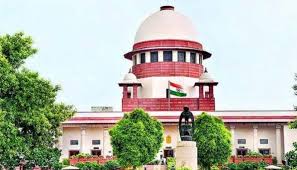
New Delhi: The Supreme Court of India has issued contempt notices to the health officials of 28 States and Union Territories (UTs) for their failure to comply with the Court’s directives to establish nationwide standardized guidelines for Intensive Care Units (ICUs) and Critical Care Units (CCUs). Slamming the “casual” attitude of these administrations toward the Court’s clear orders, the bench comprising Justices Ahsanuddin Amanullah and N. Kotiswar Singh mandated the concerned Additional Chief Secretaries or senior-most health officials from these States and UTs to personally appear before the Court on November 20, 2025, with affidavits explaining the reasons for their noncompliance. The Court explicitly stated no excuses such as prior commitments would be accepted, emphasizing the priority of the matter.
Background and Context
This directive marks a significant step in an ongoing effort by the Supreme Court to address systemic inadequacies in India’s critical care healthcare infrastructure. The Court’s involvement began with a 2016 medical negligence case, which highlighted the absence of uniform protocols in private and public hospitals for ICU and CCU care. While the original plea was dismissed on merit grounds in 2024, the Court converted the issue into a Public Interest Litigation (PIL), focusing on creating feasible, standardized healthcare protocols for critical care across India. Over the years, the Supreme Court has issued multiple orders for States and UTs to develop and submit these standards, involving broad consultations with healthcare experts, hospital representatives, and public authorities.
Key Developments
On August 5, 2025, the Supreme Court directed all States and UTs to convene regional conferences including stakeholders from the medical community to draft uniform protocols covering ICU and CCU admission criteria, treatment standards, staffing requirements, hygiene, and infrastructure. The Court set deadlines for completing this exercise and submitting reports. The initial deadline for report submission was September 30, 2025, later extended to October 5, 2025.
At a hearing on September 18, 2025, the Court acknowledged compliance from the central government but noted that most States and UTs had not submitted the required reports. Despite repeated reminders and warnings of consequences, 28 States and UTs including Arunachal Pradesh, Assam, Chhattisgarh, Goa, Gujarat, Himachal Pradesh, Karnataka, Kerala, Madhya Pradesh, Maharashtra, Punjab, Rajasthan, Telangana, West Bengal, Delhi, Jammu and Kashmir, and others either failed to submit any reports or did so well past deadlines.
The Court expressed its disappointment at the “casualness” and lack of urgency, stating, “We are more pained than shocked by the casualness shown by various States, that despite over indulgence shown by the Court with regard to the exercise, the orders of this Court have been taken very lightly by the officers concerned.” The message is clear that such administrative complacency, especially relating to life-saving healthcare standards, will not be tolerated.
Expert Perspectives
Dr. Nitish Naik, a senior cardiology professor at AIIMS Delhi and a member of the Court’s expert committee overseeing this initiative, emphasized the critical importance of uniform ICU and CCU standards. “Consistent protocols improve patient safety, ensure appropriate staffing, and help prevent medical errors in critical care settings,” he said. “The lack of implementation at the State level delays urgently needed improvements in healthcare quality and undermines public trust.”
Public health experts underline that standardized ICU/CCU care is vital not just for COVID-19 or pandemic preparedness but for managing any critical illness where timely, evidence-based interventions save lives. Variability in care standards can lead to preventable morbidity and mortality.
Implications for Public Health
The Supreme Court’s firm stance underscores the urgency of uniform quality care standards in India’s critical care landscape. ICUs and CCUs serve patients with severe health conditions requiring immediate, intensive monitoring and treatment. Without established minimum criteria for infrastructure, staffing, hygiene, and clinical protocols, patients face heightened risks of complications, mismanagement, and poor outcomes.
Uniform standards foster accountability, guide hospital administration, and ensure equitable quality care across regions. The Court’s insistence on State-level compliance signals a critical step toward improving transparency and safeguarding patient rights in critical care settings throughout the country.
Potential Limitations and Counterarguments
While the Court’s efforts reflect a necessary push toward reform, challenges remain. Healthcare delivery varies widely across India due to resource constraints, workforce shortages, and infrastructural disparities, particularly in rural and underserved areas. States with limited financial and technical capacities may struggle to meet the prescribed standards without additional support from the central government or collaborative frameworks.
Moreover, rigid standardization without flexibility could potentially strain some healthcare facilities. Therefore, the success of this initiative will depend on pragmatic, scalable guidelines that consider varied local contexts while maintaining patient safety as the foremost priority.
Conclusion
The contempt notices issued by the Supreme Court mark a critical juncture in India’s effort to elevate the quality of critical care. With a November 20 deadline looming, the Court’s rigorous demand for accountability aims to catalyze prompt action from State and UT health administrations. This development serves as a stark reminder that healthcare quality and patient safety must remain government priorities, enforced through transparent oversight and adherence to evidence-based standards.
Medical Disclaimer: This article is for informational purposes only and should not be considered medical advice. Always consult with qualified healthcare professionals before making any health-related decisions or changes to your treatment plan. The information presented here is based on current research and expert opinions, which may evolve as new evidence emerges.
References
-
Supreme Court pulls up States, UTs for defying orders on ICU, CCU guidelines; contempt notices issued. Medical Dialogues. October 14, 2025. https://medicaldialogues.in/news/health/supreme-court-pulls-up-states-uts-for-defying-orders-on-icu-ccu-guidelines-contempt-notices-issued-156938