 0
0
 0
0
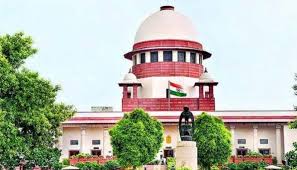
The Supreme Court has sharply rebuked the National Medical Commission (NMC) for failing to enforce the mandatory payment of stipends to MBBS interns across India, setting a two-week deadline for compliance. The move follows years of unaddressed complaints by medical graduates and mounting concerns over persistent non-payment, despite clear directives from both the Court and the NMC itself.
In New Delhi this week, the Supreme Court issued a stern ultimatum to the National Medical Commission, demanding that it ensure all medical colleges disclose and provide stipends to MBBS interns without further delay. The directive comes amid mounting frustration from both interns and the judiciary over ongoing stipend non-payment, a situation described by the justices as the NMC being “in slumber”.
Key Developments and Timeline
-
The Supreme Court addressed a series of petitions filed by Indian and foreign medical graduates who have not received legally mandated internship stipends.
-
In July 2025, the NMC issued a circular to all medical colleges, requiring them to disclose stipend policies—a directive with limited compliance to date.
-
Despite a 2023 Supreme Court order instructing the NMC to list colleges compliant with stipend requirements, little progress has been made. Two years later, the problem persists, with new graduates joining the workforce amid unresolved cases.
-
The justices have now given the NMC, under Ministry of Health and Family Welfare supervision, two weeks to file a compliance affidavit. Failure to do so could result in binding court orders.
Expert and Advocate Commentary
Advocate Tanvi Dubey, representing the MBBS interns, highlighted the critical role these young doctors play in India’s health system—often working 18-hour shifts with the expectation that stipends will be paid. “Doctors are the backbone… and stipend is the basic thing that they are expecting,” Dubey told the Court, reflecting widespread disillusionment among medical trainees.
Dr. Charu Mathur, Legal Advisor for the United Doctors Front, pressed the issue of ongoing inequity between Indian and foreign medical graduates. She underscored the need for a “One Nation, One Stipend” policy, which would ensure all interns are paid fairly and consistently, regardless of their alma mater.
Context: Stipends in Medical Training
Internship stipends serve as vital support for young doctors in India, who are often posted in challenging environments with significant workload and responsibility. According to a past NMC assessment, about 70 percent of Indian medical colleges were not paying stipends to their interns as of 2023.
The non-payment exacerbates burnout and financial insecurity, potentially impacting both quality of care and retention of medical professionals in the public health sector. International best practices typically include mandated compensation for medical trainees, recognizing their essential contribution to patient care while still in training.
Implications for Public Health
Unpaid internships risk demotivating future physicians and may restrict access to medical careers for those from lower-income backgrounds. Without adequate financial support, many interns struggle to afford basic living expenses—challenging both equity and well-being within the health workforce.
From a systemic perspective, regular payment of stipends is closely linked to the long-term viability of the nation’s healthcare delivery, especially in rural and underserved areas. Ensuring fair compensation could also bolster morale and fill critical gaps in care as India continues to contend with doctor shortages in both urban and rural settings.
Counterarguments and Institutional Constraints
Some medical institutions have argued that budgetary constraints, variable funding from state governments, or lack of clarity from regulatory bodies have hindered their ability to pay stipulated amounts. Others have cited inefficiencies in disbursement or administrative backlog. However, the Supreme Court has consistently rejected such justifications, stating that legal and ethical obligations towards interns cannot be set aside.
Critics also caution against “blanket solutions,” noting that a one-size-fits-all approach may not account for diverse institutional capacities or differences in cost of living across India. The call for transparency and context-sensitive policies remains an ongoing discussion point among policymakers and medical education experts.
Practical Implications for Readers
Medical graduates and prospective interns should stay informed about stipend policies at their chosen institutions. The Supreme Court’s interventions may lead to increased enforcement nationwide; however, students are advised to advocate for clarity in written terms and, if necessary, seek legal recourse or support from bodies such as the United Doctors Front or the Indian Medical Association.
For patients and concerned families, the issue underscores the importance of a healthy, motivated medical workforce—a critical factor in ensuring safe, consistent care.
Limitations and Watch Points
Although the Supreme Court’s directive represents a strong push towards stipend reform, implementation may face obstacles, especially in resource-constrained settings or institutions resistant to policy changes. Ongoing monitoring by medical councils, advocacy groups, and independent watchdogs will be essential in holding stakeholders accountable and sustaining reforms over time.
Conclusion
The Supreme Court’s ultimatum on the non-payment of MBBS stipends is a watershed moment in India’s medical education landscape. By holding the NMC and medical colleges accountable, the judiciary is paving the way for improved working conditions and greater fairness for the nation’s healthcare trainees. As India works to strengthen its health system, ensuring the well-being and support of its future doctors will remain a public health imperative.
Medical Disclaimer
This article is for informational purposes only and should not be considered medical advice. Always consult with qualified healthcare professionals before making any health-related decisions or changes to your treatment plan. The information presented here is based on current research and expert opinions, which may evolve as new evidence emerges.
References
-
“Wake up from slumber: Supreme Court slams NMC over non-payment of stipend to MBBS interns, gives deadline.” Medical Dialogues. Accessed October 29, 2025. https://medicaldialogues.in/news/education/wake-up-from-slumber-supreme-court-slams-nmc-over-non-payment-of-stipend-to-mbbs-interns-gives-deadline-157607