 0
0
 0
0
New Delhi, November 29, 2025 – India’s Supreme Court has issued notices to the central government and Haryana authorities on a petition addressing the alleged forced demand for photographic proof of menstruation from three female sanitation workers at Maharshi Dayanand University (MDU) in Rohtak. The incident, reported on October 26, involved supervisors pressuring the workers to send images of their sanitary pads during a special duty shift, sparking outrage over violations of privacy and dignity. The court, led by Justices B.V. Nagarathna and R. Mahadevan, has scheduled a hearing for December 15, highlighting a “shocking mindset” that undermines women’s fundamental rights under Article 21 of the Constitution.
Incident Details and Immediate Fallout
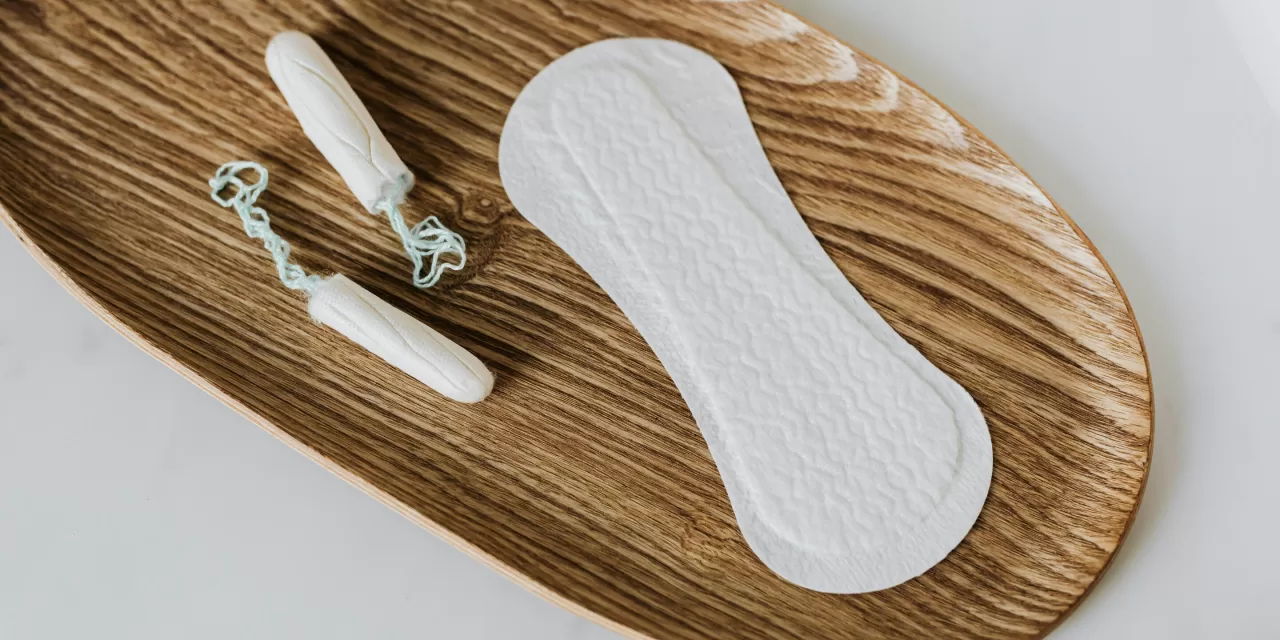
The petition, filed by the Supreme Court Bar Association (SCBA) through advocate Pragya Baghel under Article 32, details how the women were verbally abused and coerced on a Sunday called for the Haryana Governor’s visit. Supervisors from Haryana Kaushal Rozgar Nigam Limited allegedly demanded the photos after the workers cited menstrual discomfort to avoid heavy lifting. MDU responded by suspending two supervisors and launching an internal inquiry, while the Haryana State Commission for Women took suo motu notice.
Police registered an FIR against the assistant registrar and supervisors under Bharatiya Nyaya Sanhita provisions for assault and outraging a woman’s modesty. Justice Nagarathna remarked during the hearing, “This shows the mentality of the person. If some heavy work could not be done because of their absence, somebody else could have been deployed,” contrasting it with progressive measures like period leave in Karnataka.
This case exposes systemic gaps, as similar “period-shaming” incidents persist. In 2017, 70 girls in Uttar Pradesh were reportedly stripped for menstrual checks; in 2020, 68 Gujarat college students faced underwear inspections; and in July 2025, Maharashtra’s R.S. Damani school forced girls in Classes 5-10 to strip after toilet bloodstains, leading to arrests.
Broader Context of Menstrual Stigma in India
Menstruation remains shrouded in taboos across India, affecting an estimated 355 million menstruating women and girls, with 71% lacking access to sanitary products in some regions. Such invasive practices violate rights to health, dignity, privacy, and bodily autonomy, as enshrined in Article 21. The SCBA petition urges a detailed Rohtak probe and national guidelines for workplaces and schools to prevent recurrence during menstruation or gynecological issues.
India’s Swachh Bharat Mission issued Menstrual Hygiene Management (MHM) Guidelines in 2015, mandating separate girls’ toilets, water-soap facilities, and education in schools, with monitoring indicators like functional toilet blocks. The National Health Mission’s Menstrual Hygiene Scheme targets girls aged 10-19, providing subsidized products, yet implementation lags, especially for low-wage workers like sanitation staff.
Stigma drives absenteeism—23% of girls miss school during periods—and economic loss, with women facing limited workplace sanitation. UNFPA reports link period shame to gender discrimination, child marriage risks, transactional sex for pads, and untreated dysmenorrhea affecting quality of life.
Health and Psychological Impacts
Forced verification inflicts profound trauma, akin to a privacy invasion that erodes self-worth. Gynecologists note such humiliation exacerbates menstrual disorders; dysmenorrhea affects 50-90% of adolescents, causing cramps, mood swings, and bloating worsened by stress. Dr. Sharmila Patel, a New Delhi-based obstetrician-gynecologist not involved in the case, states, “Demanding proof of menstruation is not just unethical but medically harmful—it heightens anxiety, cortisol levels, and somatic symptoms, potentially leading to chronic pelvic pain or avoidance of care.
Mental health tolls include anxiety, depression, and isolation; studies show stigma correlates with low self-esteem and poor hygiene practices. Period poverty compounds this, with 45% of Indian girls unable to afford products, risking infections from alternatives like rags. Dr. Rahul Zalte, Thane rural Additional SP commenting on the Maharashtra case, emphasized parental outrage underscoring community demand for accountability.
Expert Perspectives and Calls for Reform
Experts hail the SC move as pivotal. “This petition could catalyze enforceable MHM policies, ensuring sanitary bins, leave provisions, and sensitization training,” says Dr. Julitta Onabanjo, UNFPA Regional Director for East and Southern Africa, whose work highlights global parallels. World Bank specialists stress MHM safeguards dignity and self-efficacy, reducing absenteeism by 20% with proper facilities.
Dr. Kavita Singh, public health expert at AIIMS, adds, “Workplaces must adopt person-first approaches—no invasive checks. Train supervisors on menstrual realities; deploy alternatives for heavy tasks.” Counterarguments note operational challenges in low-staff scenarios, but experts counter that dignity trumps efficiency—deploy backups or mechanize, as Karnataka’s period leave model shows no productivity dip.
Public Health Implications and Reader Guidance
National guidelines could transform lives, cutting school dropouts (one in ten girls) and boosting workforce participation. Readers facing stigma should report to labor boards or women’s commissions, prioritize hygienic products, and advocate via unions. Track symptoms via apps; consult doctors for severe pain—iron-rich diets and NSAIDs help most cases.
Limitations include enforcement gaps in rural areas and cultural resistance, but judicial push offers momentum. This case signals societal shift toward menstrual equity.
Medical Disclaimer: This article is for informational purposes only and should not be considered medical advice. Always consult with qualified healthcare professionals before making any health-related decisions or changes to your treatment plan. The information presented here is based on current research and expert opinions, which may evolve as new evidence emerges.
References
-
Supreme Court issues notice on SCBA petition. Morung Express, Nov 28, 2025. https://morungexpress.com/sc-issues-notice-on-plea-to-frame-guidelines-over-menstruation-checksmorungexpress